Big Relief for RAC Passengers? Indian Railways Reviews Ticket System
Indian Railways is reviewing the RAC ticket system to address fairness concerns regarding full fares for shared berths.
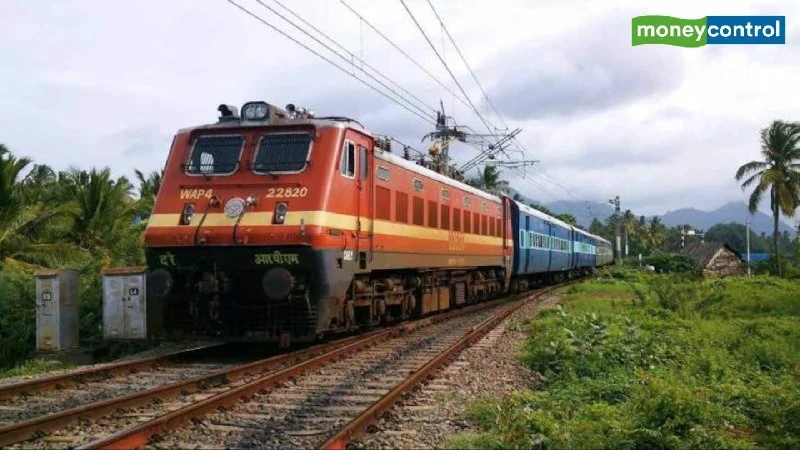
Indian Railways is currently conducting a high-level review of its decades-old Reservation Against Cancellation (RAC) system. This move follows significant concerns regarding passenger comfort and the equity of the current fare structure.
The Fairness Debate: Full Fare for a Shared Berth
For years, travelers allotted RAC tickets have faced a difficult situation: they are required to pay the full ticket price despite being provided only a shared sleeping berth. This has become a major point of contention, as passengers essentially pay for a full service but receive only partial accommodation.
Railway officials have acknowledged that charging a full fare when a passenger does not receive a full berth may not be appropriate.
Parliamentary Pressure and Proposed Changes
The scrutiny of the RAC system gained significant momentum in February 2026. The Public Accounts Committee (PAC), a parliamentary panel, released its 36th report specifically questioning the fairness of the existing arrangement.
To resolve this, the committee has recommended that the Ministry of Railways implement a mechanism to provide partial refunds to RAC passengers who are not assigned a full berth after the final chart preparation.
What Options is the Railway Board Considering?
While the Indian Railways has not officially confirmed the abolition of the RAC system, the Railway Board is actively evaluating several potential solutions to improve passenger satisfaction:
- Automatic Upgrades: Providing full berths automatically if space becomes available during the journey.
- Refund Structures: Implementing a system for partial refunds for those who remain in the RAC category.
A Shift in Railway Standards
The conversation around passenger comfort is also being shaped by new developments in railway infrastructure. For instance, the newly introduced Vande Bharat Sleeper trains have been designed without an RAC facility, signaling a potential shift in how the railways manage seat allocations and passenger experience for long-distance travel.