Railway Rules: New guidelines issued for travel in Divyangjan reserved coaches
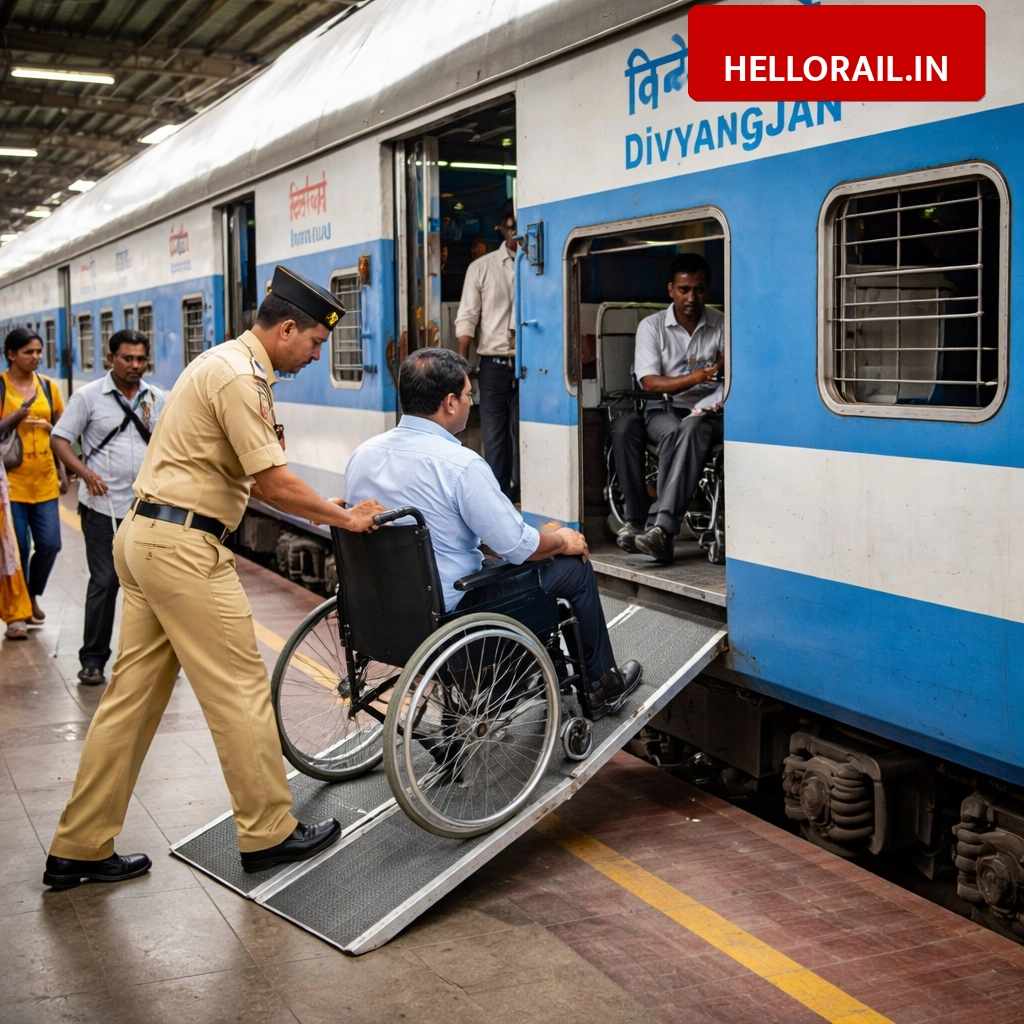
The Railway Board has issued a detailed clarification regarding who can travel in the reserved coaches meant for Divyangjan passengers. These rules apply to the specially designated unreserved coaches found in mail and express trains. The move aims to ensure that only genuine beneficiaries utilize these facilities.
Who is allowed to travel in Divyangjan coaches?
According to the official notification, only two categories of passengers are permitted to use these reserved seats. First, persons with disabilities (PwDs) who hold a valid Unique Disability ID (UDID) issued by the Department of Empowerment of Persons with Disabilities (DEPwD). Second, those Divyang passengers who are eligible for concessional fares under Indian Railways rules. Both must carry a valid ticket to be considered genuine passengers.
Which coaches and trains are covered under these rules?
The rules primarily apply to the Second Class Luggage-cum-Brake Van (SLRD) and Luggage-cum-Second Class Luggage-cum-Brake Van (LSLRD) coaches in mail and express trains. For Garib Rath Express, these seats are available on a first-come, first-served basis for those paying the full 3AC fare with a concessional ticket. Other train types have specific quotas as follows:
| Train Type | Reservation Details |
|---|---|
| Sleeper Class | 4 berths (2 Lower, 2 Middle) |
| 3AC Class | 2 berths (1 Lower, 1 Middle) |
| AC Chair Car | 2 reserved seats |
| Vande Bharat/Rajdhani/Shatabdi | 4 seats in Sleeper/AC/Chair Car |
What action will be taken against unauthorized travel?
The Railway Board has instructed all Zonal Railways and Principal Chief Commercial Managers (PCCMs) to implement these rules strictly. Any passenger found traveling in these reserved coaches without a valid UDID or eligibility will face strict action. Such unauthorized travel will be dealt with under the provisions of the Railway Act, 1989.