Rajendra Setu Mega Block: 384 Trains Affected, Major Cancellations & Diversions!
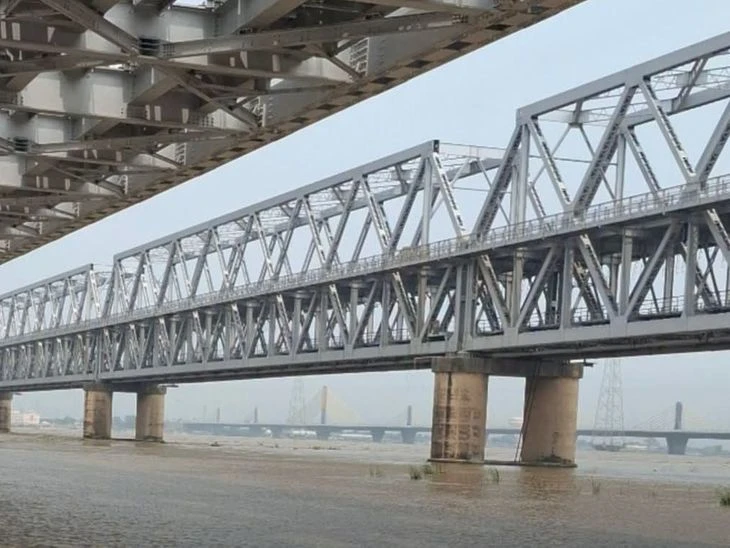
Indian Railways has initiated a massive operational shift at the Rajendra Setu to integrate a newly constructed double-line rail bridge into the existing network. This mega block, specifically for non-interlocking (NI) operations, is set to cause significant disruptions for commuters traveling through Bihar.
Massive Impact on Train Schedules
The non-interlocking work, which began on September 20, is scheduled to continue until October 4, 2026. During this period, a total of 384 trains will face changes to their regular schedules.
- Cancelled Trains: 35 trains will not run during this block.
- Diverted or Truncated Routes: 348 trains will either follow a different path or operate on shortened routes.
Key Trains to Watch Out For
Passengers traveling on several prominent services should check their schedules carefully, as these trains are among those significantly impacted:
- Bhagalpur-Anand Vihar Terminal Garib Rath Express
- Jammu Tawi-Bhagalpur Amarnath Express
- Danapur-Bhagalpur Intercity Express
- Udhna-Jaynagar Express (Route modified as of September 20)
Connecting North and South Bihar: The ₹1,700 Crore Project
The mega block is a crucial step in completing a massive infrastructure project designed to ease congestion on the legacy single-line Rajendra Setu. This project includes a 1.86 km main bridge and 14 km of approach lines, with a total estimated cost of ₹1,700 crore.
To ensure seamless connectivity, the integration process involves several key junctions, including:
- Tal Junction and Hathidah
- Rampur Dumra and Dinkar Gram Simaria
- Upper Hathidah Junction
- Mokama Junction and Barauni Junction
A Faster Future for Rail Travel
Once the new tracks are fully operational in the first week of October 2026, commuters can look forward to much faster journeys. The new infrastructure is designed to support train speeds ranging from 110 to 140 kmph.
The project, which saw its foundation stone laid on March 12, 2016, and its 'Golden Joint' completed on January 26, 2026, is nearing its final milestone. An inauguration ceremony is tentatively expected to take place around October 5 or 6, 2026.