SC Orders Railway Concession Policy for Acid Attack Survivors
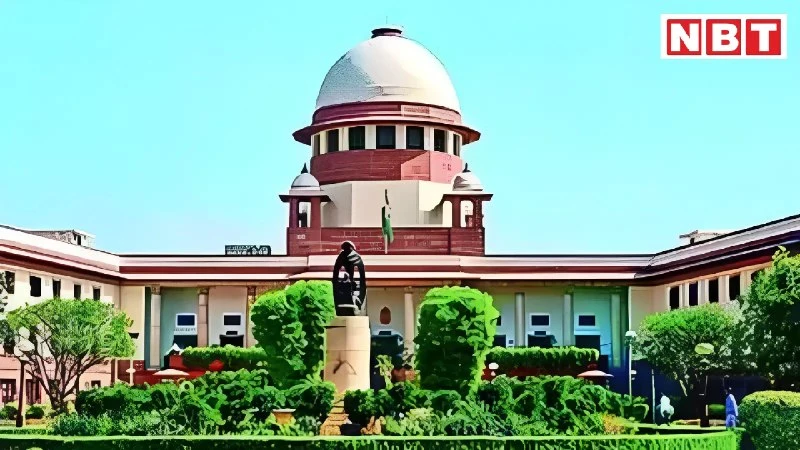
The Supreme Court of India has stepped in to ensure that acid attack survivors receive better support through a dedicated railway concession policy for acid attack survivors. In a significant legal move, the court has directed the Department of Empowerment of Persons with Disabilities (DEPwD) to play an active role in drafting and finalizing these travel benefits.
Facilitating Access to Medical Care
The primary objective of this directive is to simplify travel for survivors who need to reach super-specialty hospitals for essential medical treatments. This judicial intervention follows a Public Interest Litigation (PIL) filed by the NGO Atijeevan Society, highlighting the difficulties faced by this community.
During the proceedings, it was noted that the Central government had already expressed an in-principle agreement on August 13, 2026, to develop such a policy. The court has urged the Ministry of Railways to approach this matter with a liberal and compassionate perspective to ensure effective implementation.
A New Approach to Concessions
Rather than creating an entirely new category for persons with disabilities, the proposed framework suggests a more streamlined approach. The government aims to include acid attack survivors under the existing "patient category" for railway concessions. This decision is intended to address the specific needs of survivors while working within the current scope of railway benefits.
Overcoming Logistical and Financial Hurdles
The petition emphasized that survivors face several significant obstacles when traveling for medical purposes, including:
- Documentation Issues: Frequent difficulties in obtaining the mandatory medical certificates required to claim reservations.
- Physical Comfort: The nature of their injuries often makes travel in air-conditioned coaches a necessity rather than a luxury.
- Financial Strain: The high cost of traveling in higher-class coaches without concessions creates a heavy economic burden on survivors.
Judicial Oversight and Next Steps
The directive was issued on September 30, 2026, by a bench comprising Chief Justice Surya Kant and Justices Joymalya Bagchi and V Mohana. Additional Solicitor General Archana Pathak Dave represented both the Centre and the Ministry of Railways during the hearing.
The