Sikkim Rail Revolution: ₹9,000 Crore Gangtok Extension Proposed
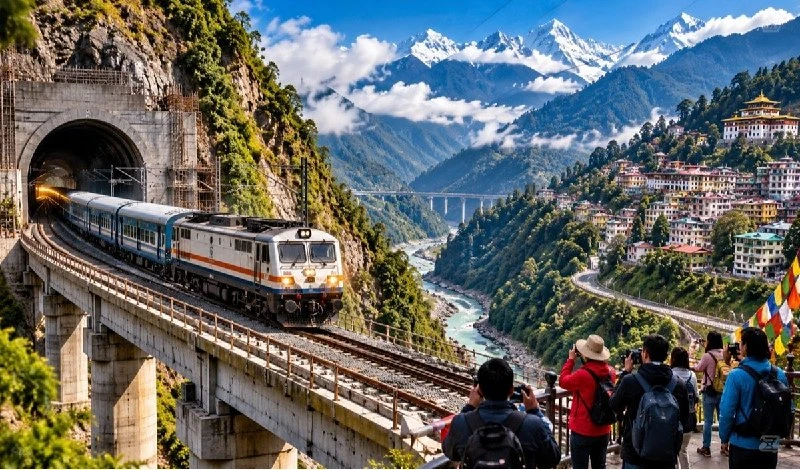
The landscape of Northeast connectivity is set for a massive transformation as Indian Railways pushes forward with ambitious projects to bring rail access to the heart of Sikkim. Following the progress of the Sivok-Rangpo line, a new proposal for a Sikkim Gangtok rail extension has emerged, promising to link the state capital directly to the national rail network.
The Path to Gangtok: A ₹9,000 Crore Vision
Building on the momentum of existing infrastructure, the Ministry of Railways is now prioritizing a 34-kilometer extension from Rangpo to Gangtok. This massive undertaking is estimated to cost approximately ₹9,000 crore. The project has recently undergone a critical review by the Integrated Multimodal Network Planning Group (NPG) as part of the PM Gati Shakti National Master Plan.
This extension is not just about tracks; it is about opening up the state to unprecedented growth. Sikkim Governor Om Prakash Mathur has already conducted site inspections to monitor the progress of these vital links, emphasizing the strategic importance of the project for the region.
Sivok-Rangpo Project: The Foundation of Connectivity
Before the tracks reach Gangtok, the foundational Sivok-Rangpo rail project is already making significant strides. This critical link aims to connect the Darjeeling region of West Bengal with East Sikkim. Here are the key details of the ongoing work:
- Project Length: 44.96 kilometers.
- Total Investment: Estimated at ₹17,124 crore.
- Target Completion: Scheduled for December 2027.
- Engineering Marvels: The line will feature 14 tunnels and 13 major bridges.
An Underground Wonder at Teesta Bazar
One of the most fascinating aspects of the Sivok-Rangpo line is the Teesta Bazar station. This station is set to become one of India's first underground railway stations, showcasing the advanced engineering being deployed to navigate the challenging Himalayan terrain.
Boosting Tourism and Strategic Logistics
The arrival of the railway in Sikkim is expected to act as a major catalyst for several key sectors:
- Tourism: Providing easier and more reliable access for travelers to explore the scenic beauty of Sikkim.
- Economic Development: Improving the movement of goods and services, which will stimulate regional growth.
- Strategic Logistics: Strengthening connectivity for the Northeast frontier and enhancing national logistics capabilities.