Smooth 320 km/h Rides: India Deploys New Movable Crossings Tech for Bullet Trains
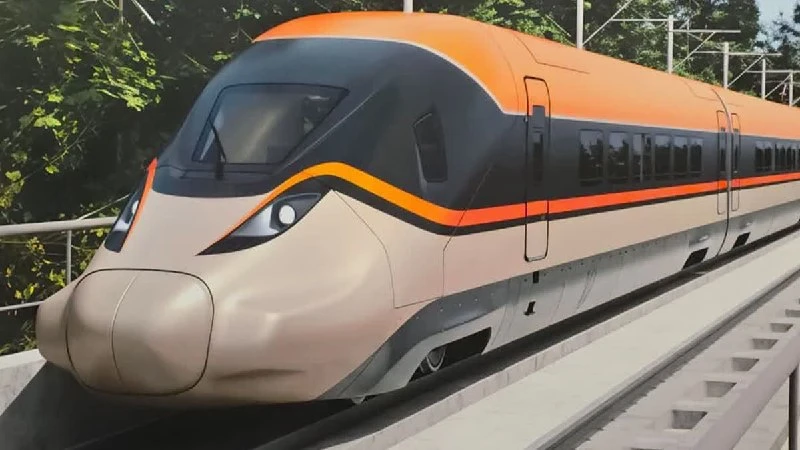
Indian Railways is set to revolutionize high-speed travel by introducing cutting-edge 'Movable Crossings' technology. Designed to support blistering speeds of up to 320 km/h, this innovation—also known as 'Swing-Nose Crossings'—is making its debut on the Indian rail network to ensure a seamless and comfortable journey for passengers.
Eliminating Jerks and Noise for Ultimate Comfort
The primary purpose of implementing this specialized system is to address the physical gaps typically found at track turnouts. By utilizing movable crossings, the railway aims to significantly reduce the following:
- Vibrations: Ensuring a steady ride even at extreme speeds.
- Noise: Minimizing the auditory impact of high-speed transit.
- Jerks: Providing a smooth transition through turnouts to enhance passenger comfort.
The Mumbai-Ahmedabad High-Speed Rail (MAHSR) Project
The National High Speed Rail Corporation Limited (NHSRCL) is spearheading the execution of this technology within the massive 508-kilometer Mumbai-Ahmedabad High-Speed Rail (MAHSR) corridor. This corridor is being built as a marvel of modern engineering, featuring:
- A specialized 2x25 kV overhead traction system.
- 14 dedicated traction substations connected directly to the National Power Grid.
Safety First: Earthquake Protection and Shinkansen Tech
Leveraging advanced Japanese Shinkansen technology, the project places a heavy emphasis on passenger safety. To combat seismic risks, the network will be equipped with a comprehensive safety system featuring 28 earthquake sensors. These sensors are designed to trigger an automatic halting mechanism immediately during any seismic event.
Union Railway Minister Ashwini Vaishnaw has noted that India is currently making rapid progress, laying approximately 15 kilometers of high-speed rail track every month.
Project Timeline and Massive Investment
Building a high-speed network requires immense resources and precision. The Union Railway Ministry has approved a revised project cost that exceeds ₹2 lakh crore. This significant increase from 2015 estimates accounts for the complexities of land acquisition, advanced signaling, infrastructure, and rolling stock.
The roadmap for the project is as follows:
- 2027: Expected launch of the initial section.
- December 2030: Target for full project completion.
The Future: Indigenous High-Speed Trainsets
India is not just implementing foreign technology; it is actively developing its own indigenous high-speed solutions to support the growing network. Future developments include:
- B35 Trainsets: Designed to reach speeds of 350 km/h, targeted for deployment by 2030.
- B28 Trainsets: Designed for 280 km/h, with trials scheduled to begin in the first quarter of 2027.
- Bharat Train Control System (BTCS): An indigenous system currently under development to manage and support the burgeoning high-speed rail infrastructure.