Indian Railways Authorizes Station Masters to Access Relay Rooms During Emergencies
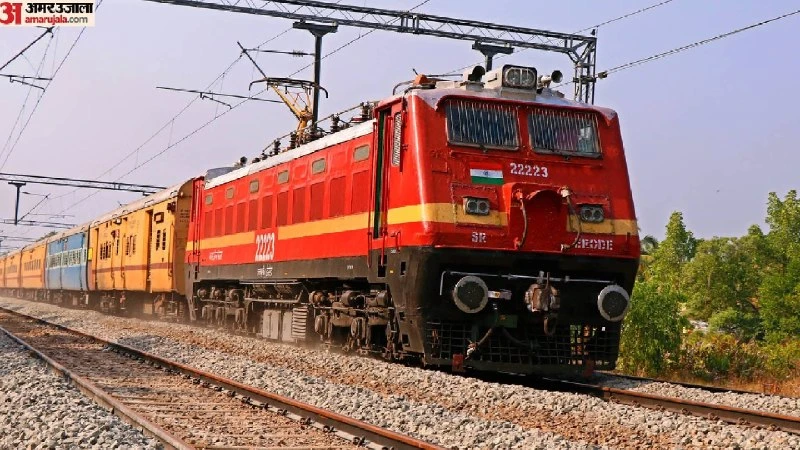
The Indian Railways has introduced a vital operational protocol allowing station masters to access relay rooms during technical failures or emergencies, aiming to prevent long delays in train operations. Passengers and rail enthusiasts should note the following key updates regarding this new safety directive:
- Station masters can now access relay rooms using an emergency key kept in a sealed container if they detect smoke or receive fire alarm alerts.
- All instances of opening the room must be meticulously logged in the station relay room register.
- Technical staff remain responsible for re-sealing the room once the situation is normalized.
- Zonal headquarters must ensure strict double-locking mechanisms supported by newly installed automatic fire alarms.
Background and Policy Changes
Previously, relay rooms—the nerve centers of signal control—were secured under a mandatory double-lock system, accessible only in the presence of Signal and Telecommunications technical staff. Under the new directive, procedures have been streamlined to tackle emergencies swiftly. This policy change directly follows a major fire incident at the Mathura station relay room on April 18, where a delay in obtaining the key caused signal system failure and stalled train traffic for several hours. In response, the Railway Board has mandated proper communication protocols for emergency response agencies.
Recent Safety Reviews and Incidents
Railway spokesperson Sanjay Kumar Gautam confirmed the protocol. Furthermore, Union Railway Minister Ashwini Vaishnaw, during a safety review meeting on September 3, ordered the mission-mode rectification of signaling deficiencies. Minister Vaishnaw also emphasized stringent action against substandard supply quality and willful negligence in maintenance. Recent incidents have underscored these vulnerabilities: on September 6, 2026, the Mahananda Express derailed in Ara, Bihar, due to a reported signaling system malfunction, which was only mitigated when the station master identified the train moving on the wrong track and alerted the driver. Additionally, on September 5, 2026, travelers in Motihari faced disruptions due to a technical failure in the Passenger Reservation System.