SC Order: Mandatory Insurance for All Counter Train Tickets
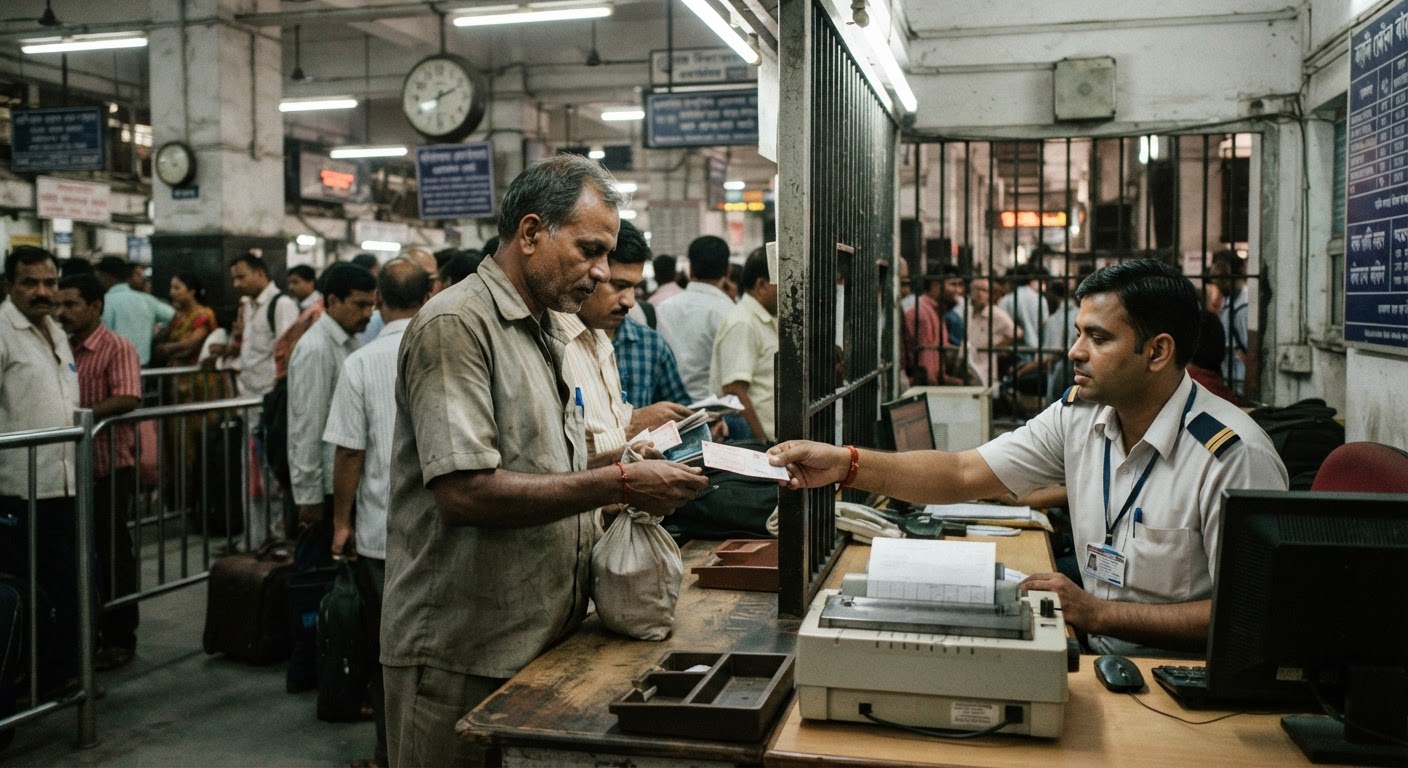
The Supreme Court has issued a landmark directive to Indian Railways, ensuring that all passengers purchasing tickets at physical station counters will receive mandatory travel insurance. This move aims to bridge the gap between online and offline travelers, providing equal financial protection to all commuters across the rail network.
Closing the Gap Between Online and Offline Booking
For a long time, a significant disparity existed in how passengers were protected. Those booking through the IRCTC platform could easily opt for travel insurance for a nominal premium of approximately 45 paise per person. However, passengers purchasing tickets at physical counters—who often come from lower-income backgrounds—were previously excluded from this essential facility.
A bench consisting of Justices Ahsanuddin Amanullah and R Mahadevan issued this direction on October 6, 2026. The court noted that despite previous opportunities to address this issue, progress on providing this coverage to offline passengers had remained insufficient.
A Response to Safety and Equity Concerns
The legal action was prompted by a petition following the tragic train accident in Odisha in June 2023. During the proceedings, broader safety issues were discussed, including the deployment of the Kavach safety system. The court determined that ensuring equal access to insurance is a vital step toward achieving equity in passenger safety.
The court determined that equalising insurance access is a necessary step toward equity in passenger safety.
Mandatory Compliance by October 2026
The Railway Board is now tasked with the massive undertaking of updating software and processes across thousands of reservation counters nationwide. The deadline for full compliance is October 27, 2026.
While the specific premium rates and coverage terms for offline tickets are yet to be finalized by the administration, the existing nominal model used for online bookings is expected to serve as a template. The Railway Board will face direct accountability for any failure to meet this deadline, and the court may monitor the rollout to ensure total adherence to the order.