SC Orders Better Railway Amenities & Clean Water
The Supreme Court has ordered improvements to railway amenities and water safety after a CAG report found E. coli in station water coolers.
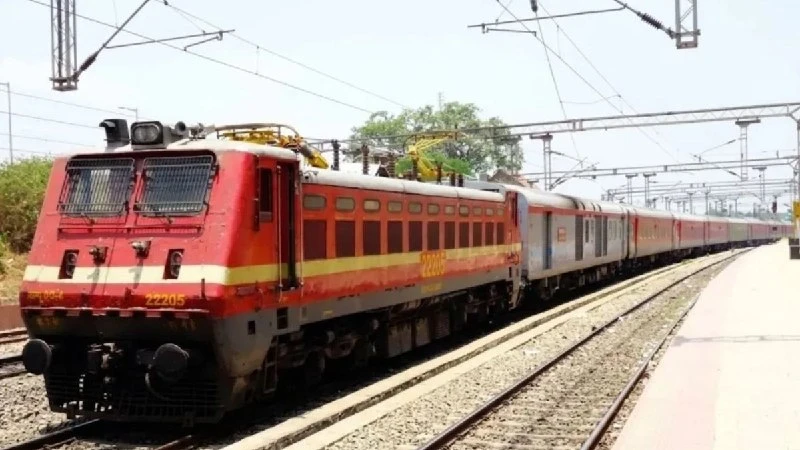
In a landmark ruling, the Supreme Court has ordered immediate improvements to railway amenities and water safety standards across India. This directive comes as a response to severe infrastructure gaps that have left millions of passengers struggling with basic facilities.
The CAG Report: A Reality Check
The court's decision, led by a bench including Chief Justice Surya Kant, was prompted by the findings of the Comptroller and Auditor General (CAG) of India’s Report No. 31 of 2026. The audit painted a grim picture of the current state of Indian railway stations.
The report revealed that approximately 89% of the audited stations—458 out of 512—failed to provide essential services. These deficiencies include:
- Lack of clean drinking water and hygienic toilets.
- Insufficient seating and platform shelters.
- Missing fans and inadequate signage.
- Mismanagement of funds intended for passenger welfare.
Health Crisis: E. coli Found in Water
One of the most critical issues raised was the safety of drinking water. Testing conducted at eight stations across four different railway zones discovered the presence of E. coli bacteria in water cooler samples. This discovery highlighted a significant public health risk for travelers relying on station water sources.
The Supreme Court has mandated that the Ministry of Railways implement all recommendations from the CAG report to ensure passenger safety.
Mandatory Safety Protocols and Accountability
To address these life-threatening gaps, the Supreme Court has imposed strict requirements on the Ministry of Railways:
- Regular Water Testing: A comprehensive and periodic testing regime must be implemented to ensure all water sources are free from E. coli and total coliforms.
- Immediate Discontinuation: Any water source found to be contaminated must be shut down immediately.
- Provision of Safe Alternatives: The Ministry is required to provide safe drinking water alternatives until the issue is rectified and officially certified.
- Official Accountability: The court has demanded time-bound corrective actions and insisted that officials responsible for delays or failures in addressing these deficiencies be held accountable.
The directive aims to ensure that every passenger has access to clean drinking water, proper sanitation, and emergency medical facilities across the entire national network.