Taranga Hill Ambaji Rail Project: Massive Tunnel & Bridge Underway
Construction of a 2.27 km tunnel and 80m bridge is underway for the Taranga Hill-Ambaji-Abu Road rail project.
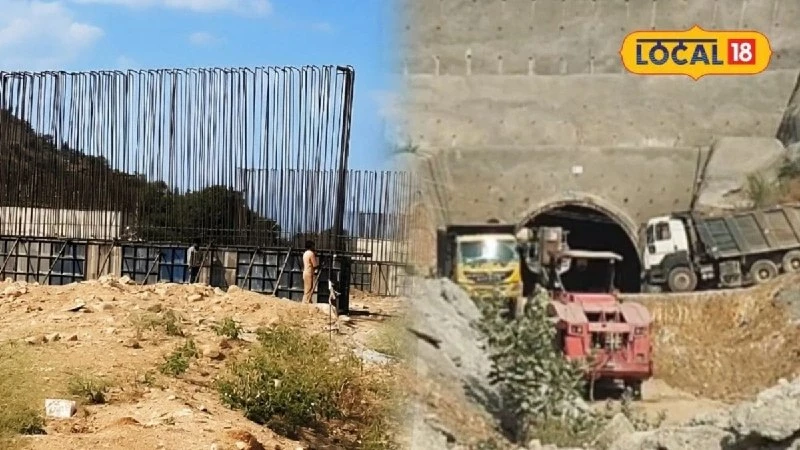
The ambitious Taranga Hill Ambaji rail project is rapidly taking shape, marking a significant milestone in connecting major pilgrimage sites across Gujarat and Rajasthan. This 116.65 km broad-gauge line is set to transform regional connectivity and tourism through massive engineering feats.
Engineering Marvels in the Making
The project is characterized by its challenging terrain and impressive infrastructure development. Currently, crews are working on several massive structures to navigate the hilly landscape, including:
- A 2.27 km Tunnel (T6): Located near Ambaji, this excavation is projected to become the longest railway tunnel in Gujarat.
- An 80-meter High Bridge: A massive bridge is being constructed near Surpagla village to traverse the rugged terrain.
- Additional Tunnels: A 1.83 km tunnel is being excavated near Dhrovfali, part of a total of 13 tunnels spanning approximately 13 kilometers.
Project Scale and Technical Progress
Executed by the North Western Railway, the project is being developed at an estimated cost of ₹3050 crore. To tackle the complex geological conditions, engineers are utilizing the New Austrian Tunneling Method (NATM). According to project timelines, 35% of the total tunnel excavation is slated to be completed by September 2026.
In addition to the tunnels, the route will feature eight major bridges to ensure smooth transit through the mountainous regions.
Themed Stations and Regional Connectivity
One of the most unique aspects of this project is the architectural design of the new stations. The route involves 15 new railway stations, with a special focus on cultural aesthetics:
- Ambaji Station: Designed to reflect the magnificent architecture of the Ambaji Temple.
- Taranga Hills Station: Themed after the intricate designs of a Jain temple.
The new line will traverse the Sirohi district in Rajasthan, as well as the Mehsana, Sabarkantha, and Banaskantha districts in Gujarat.
Economic and Social Impact
The completion of this line, expected by the 2026-27 fiscal year, is poised to bring immense benefits to the region. Beyond facilitating easier travel for pilgrims, the project is anticipated to:
- Generate approximately 40 lakh man-days of direct employment.
- Facilitate the movement of local agricultural products.
- Boost the transport of industrial goods, including marble, from the area.