CRS to Conduct Speed Trials on Tihi-Dhar Rail Section
Commissioner of Railway Safety to conduct speed trials on the Tihi-Dhar section of the Indore-Dahod line this November.
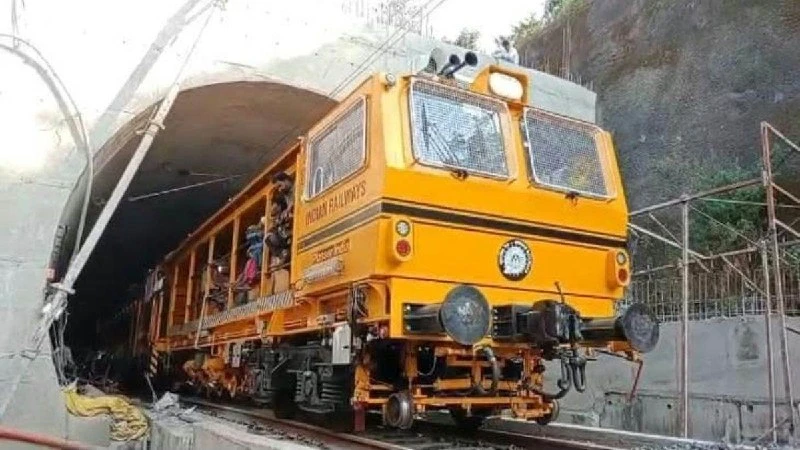
The Indore-Dahod new rail line project is moving into a critical phase of testing and validation. The Commissioner of Railway Safety (CRS) for the Western Circle, E. Srinivas, is scheduled to conduct a formal inspection and high-speed trial of the Tihi-Dhar rail section on November 5 and 6.
Two-Phase Inspection Schedule
To ensure the highest safety standards are met, the inspection process has been structured into two distinct stages:
- November 5: The CRS will conduct a thorough examination of the section between Tihi and Gunawad.
- November 6: The inspection will proceed to the segment stretching from Gunawad to Dhar.
This comprehensive assessment will evaluate the integrity of the tracks, the stability of bridges, the functionality of signaling systems, and the overall reliability of the electrical infrastructure. Final clearance for operational use depends on the successful outcome of these trials.
Successful High-Speed Testing and Infrastructure Completion
All essential construction work, including the integration of signaling systems and 25 kV AC electrification, has been completed under the supervision of the Western Railway's Ratlam Division. Senior officials, including Chief Engineer (Construction) Dheeraj Kumar, have overseen the project to ensure technical compliance.
The section has already demonstrated impressive capabilities during preliminary testing. Recent high-speed trials successfully showed that electric locomotives could reach speeds of up to 130 km/h. These tests were conducted across four different phases to verify that both the overhead equipment and the track standards meet the necessary requirements for high-speed operations.
Critical Safety Warning for Local Residents
With the high-speed trials imminent, railway authorities have issued a vital safety advisory. The 25 kV AC electrification is now fully operational, meaning the overhead lines are live and carry a lethal 25,000 volts of electricity.
Residents, farmers, and livestock owners are strongly urged to stay clear of the railway tracks. The combination of high-voltage electrical lines and ongoing high-speed testing activities poses an extreme danger to anyone near the tracks.