Varanasi Sabarmati Daily Express to Link UP, Rajasthan, Gujarat
Indian Railways approves a new daily superfast express connecting Varanasi and Sabarmati, boosting connectivity across UP, Rajasthan, and Gujarat.
Indian Railways has officially approved the new Varanasi Sabarmati Daily Express to bridge the gap between Uttar Pradesh, Rajasthan, and Gujarat. This new superfast service is designed to significantly enhance rail connectivity across these three major states, catering to a wide range of passengers.
New Train Numbers and Rake Details
According to a directive issued by the Railway Board, the service will operate under two specific train numbers: 12206 for the Varanasi to Sabarmati route and 12205 for the Sabarmati to Varanasi route. To ensure a high standard of travel, the train will be equipped with a 22-coach LHB (Linke Hofmann Busch) rake.
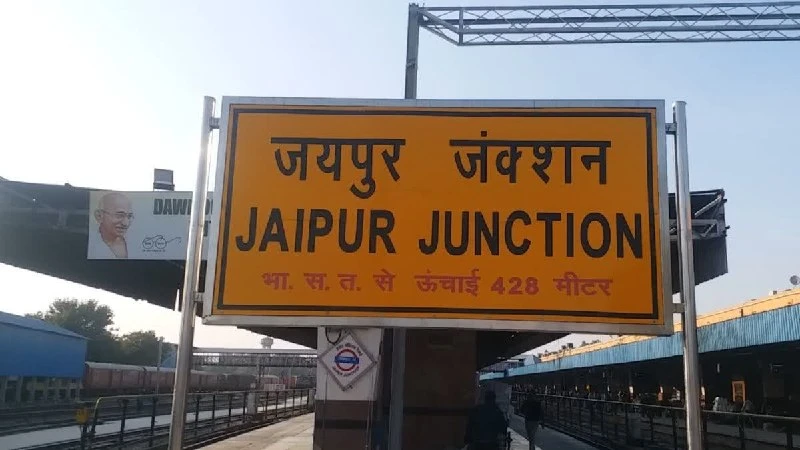
Primary maintenance for the train is slated to take place at Varanasi. To facilitate smooth operations, technical stops for water filling have been designated at Govindpuri, Tundla, and Jaipur stations. Director (Coaching) Sanjay R. Neelam has instructed the relevant railway divisions to expedite all necessary operational arrangements for the service.
Proposed Timings and Schedule
The new daily service is scheduled to operate as follows:
- Train 12206 (Varanasi to Sabarmati): Departs Varanasi at 5:30 PM and is scheduled to arrive in Sabarmati at 8:15 PM the following day.
- Train 12205 (Sabarmati to Varanasi): Departs Sabarmati at 5:20 AM and is scheduled to reach Varanasi at 6:30 AM the next morning.
Key Stops and Connectivity
This superfast express will serve several important stations, providing a vital link for commuters and travelers. The proposed stops include:
In Uttar Pradesh and Gujarat:
- Mirzapur
- Subedarganj (Prayagraj)
- Govindpuri (Kanpur)
- Tundla
- Idgah Agra
- Palanpur
- Mehsana
In Rajasthan:
- Bharatpur
- Nadbai
- Kherli
- Mandawar Mahwa Road
- Bandikui
- Gandhinagar Jaipur
- Jaipur
- Kishangarh
- Ajmer
- Beawar
- Marwar
- Falna
- Abu Road
The introduction of this daily service is expected to provide immense benefits to students, traders, and tourists, facilitating easier travel to various religious, educational, and economic hubs across the region.