
















Indian Railways has introduced stricter rules and increased penalties to improve discipline and passenger safety. These changes come under the Jan Vishwas (Amendment of Provisions) Act, 2026 and amendments to the Railway Act, 1989. While some fines started from June 20, 2026, most rules will be fully implemented from July 1, 2026. The Railway Board has already notified all Zonal Railways about these updates.
ℹ️: Visakhapatnam-Kirandul route: Passenger trains to terminate at Dantewada from June 26 to July 3।
What are the new penalties for passengers
The railway administration has significantly increased fines for common violations to deter offenders. The Railway Protection Force (RPF) will strictly monitor these rules on trains and stations. Below are the key penalty updates:
| Violation | Penalty/Fine |
|---|---|
| Ticketless Travel | Min ₹500 + Full Fare |
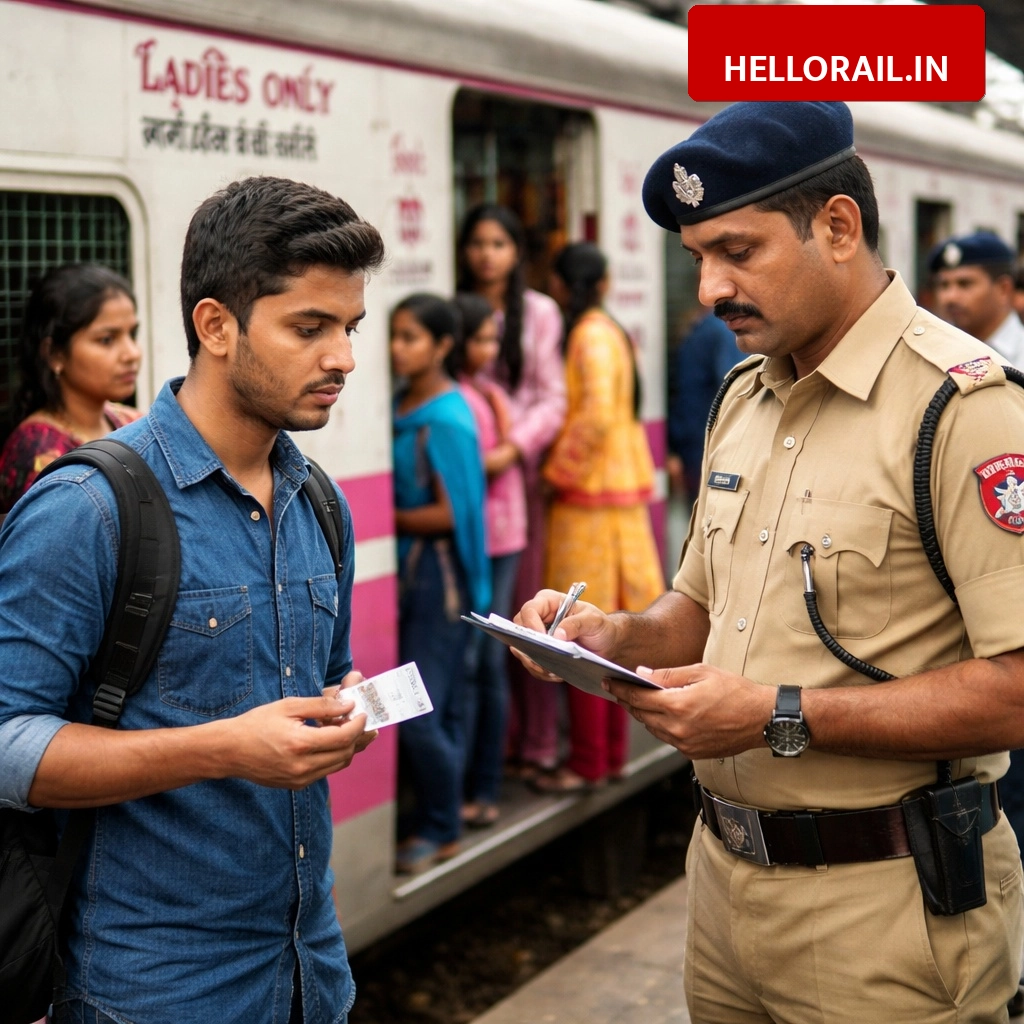
| Men in Women’s Coach | ₹2,500 (up to ₹5,000 via court) |
| Using Someone Else’s Ticket | Min ₹500 + Fare |
| Smoking on Premises | ₹2,000 |
| Begging or Unauthorized Vending | Up to ₹2,000 |
| Spitting or Littering | ₹1,000 to ₹2,000 |
| Dangerous Goods (Gas/Acid) | Up to ₹10,000 |
| Intoxication or Abuse | Up to ₹1,000 (up to ₹5,000 for repeat) |
Why did Indian Railways increase these fines
Officials stated that these penalties were revised after 13 years to act as a stronger deterrent. The goal is to curb ticketless travel and reduce overcrowding for legitimate ticket holders. By allowing administrative fines for minor cases, the railways also aim to reduce the burden on the courts. These measures are intended to provide a more secure and organized travel experience for everyone.
Frequently Asked Questions (FAQs)
What is the fine for traveling without a ticket now?
The minimum fine for ticketless travel has increased from ₹250 to ₹500. Passengers must also pay the full fare for their journey or face court proceedings.
What happens if a man enters a women’s coach?
Men found in coaches reserved for women will face a fine of ₹2,500. If not paid, this amount can increase to ₹5,000 through court action.