






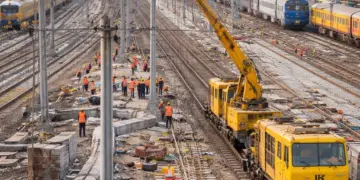
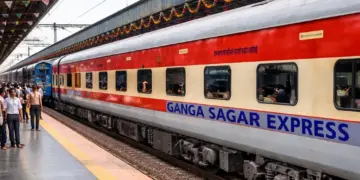

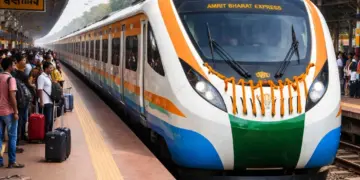






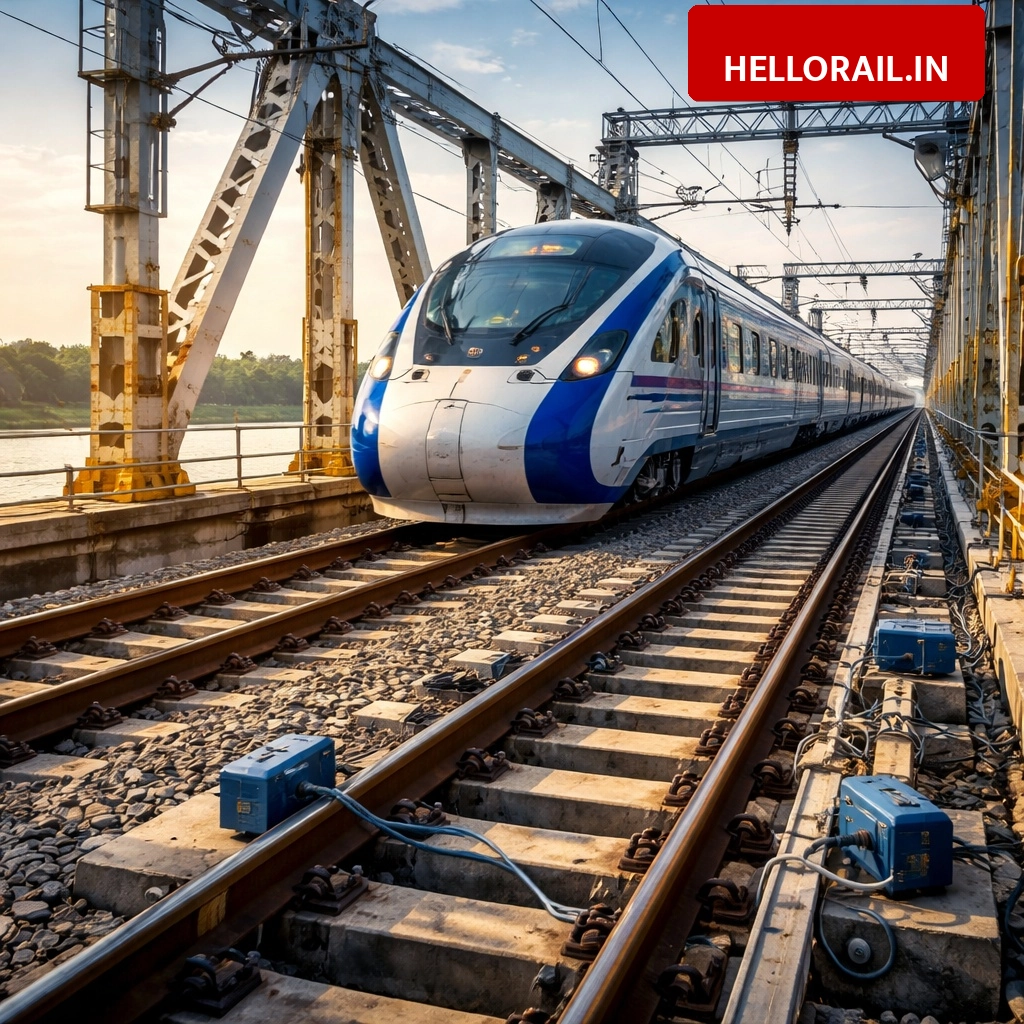

Indian Railways is adopting a technical upgrade called Rail-Structure Interaction (RSI) Analysis. This move aims to reduce speed restrictions on bridges, which will help trains run faster and provide a smoother journey for passengers. The focus is to optimize how tracks and bridge structures work together under different conditions.
What is Rail-Structure Interaction Analysis and how does it help
RSI is a study that looks at the relationship between railway tracks and the bridges they sit on. It analyzes how temperature changes, train loads, and braking forces affect the structure. By using this analysis, the railways can ensure that rail stresses stay within safe limits. This allows for the use of Continuous Welded Rails (CWR), which means fewer joints in the track and a more comfortable ride at higher speeds.
Who is implementing this and where will it be used
The Research Designs and Standards Organization (RDSO) provides the necessary guidelines for these studies. The process follows international standards like those from the International Union of Railways (UIC). This technology is being applied across various sections, including:
- Dedicated Freight Corridors (DFC): To handle heavy axle loads of 32.5 tonnes.
- Metro Rail Systems: For long welded rails on viaducts to ensure high-speed safety.
- Mainline Bridges: To remove Permanent Speed Restrictions (PSRs) and increase sectional speeds.
What will be the impact on passenger travel
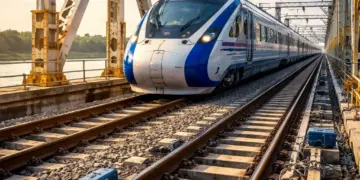
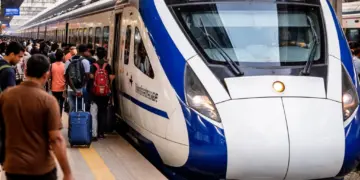
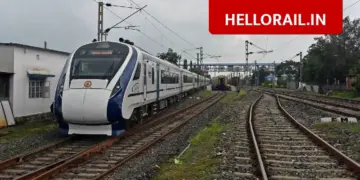
The primary goal is to remove the need for trains to slow down significantly while crossing bridges. For example, in the Jammu division, speeds on the Banihal-Qazigund section were recently increased from 75 km/h to 100 km/h through similar infrastructure improvements. This technology will lead to reduced travel time and a more stable ride for passengers in trains like Vande Bharat.
Frequently Asked Questions (FAQs)
Rail-Structure Interaction (RSI) Analysis क्या है?
यह एक तकनीकी अध्ययन है जो यह देखता है कि तापमान और ट्रेन के वजन का पुल और ट्रैक पर क्या असर पड़ता है, ताकि स्पीड लिमिट कम की जा सके।
इससे यात्रियों को क्या फायदा होगा?
पुलों पर स्पीड रिस्ट्रिक्शन कम होने से ट्रेनों की रफ्तार बढ़ेगी और सफर ज्यादा स्मूद और आरामदायक होगा।