





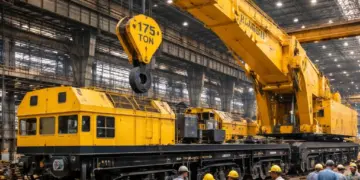

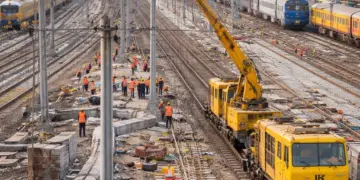





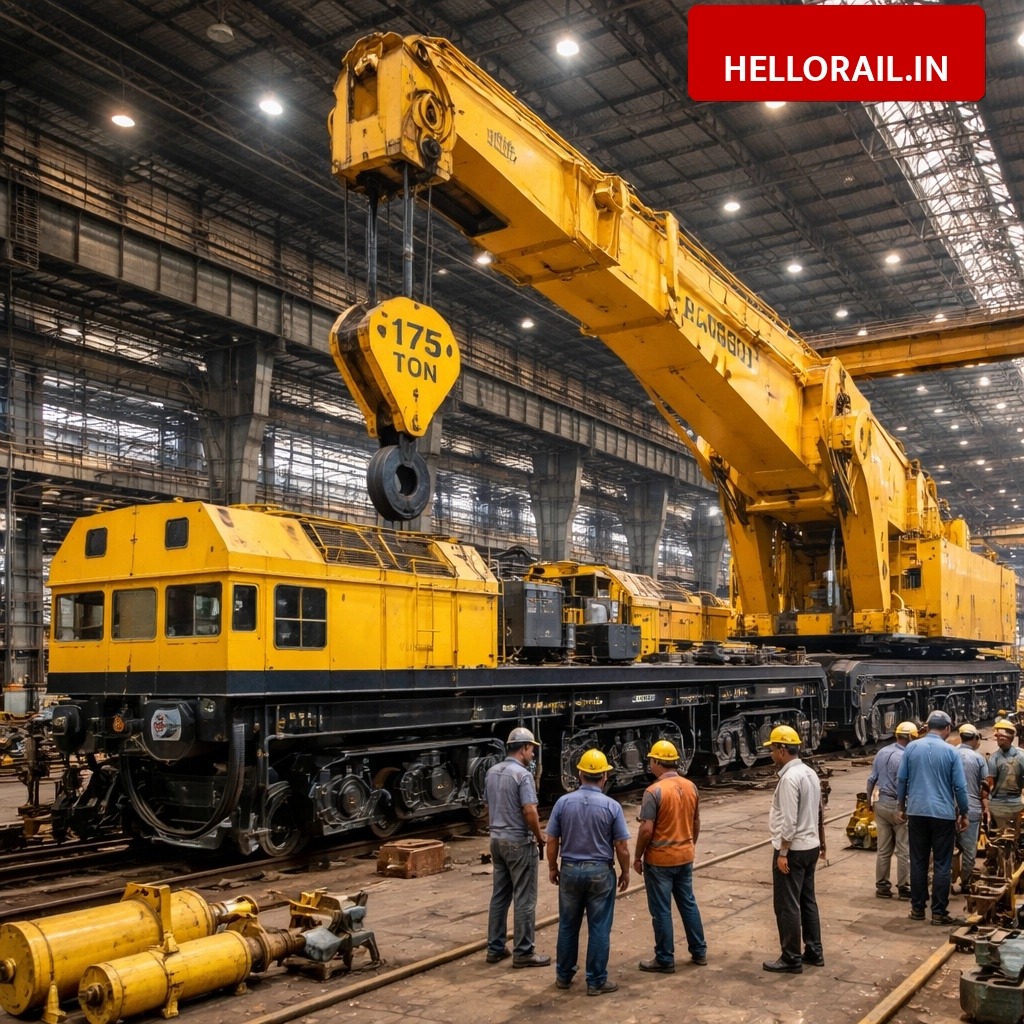

The Jamalpur Railway Workshop in Bihar is preparing to create a global record in railway engineering. The workshop has submitted a detailed proposal to the Railway Board to manufacture the world’s first 175-ton diesel hydraulic crane. This project aims to strengthen the disaster management capabilities of Indian Railways.
What is the current status of the 175-ton crane project?
The Jamalpur Railway Workshop sent the official proposal for the 175-ton diesel hydraulic crane to the Railway Board on June 24, 2026. Currently, the workshop is waiting for the final approval from the board. Once the green light is given, the construction work will start on a war footing. This initiative aligns with the Make in India campaign to promote indigenous manufacturing.
Why is Jamalpur Workshop special for crane manufacturing?
Jamalpur is already known globally for its expertise in heavy lifting machinery. It is the only facility outside of Germany that can build 140-ton diesel hydraulic cranes. The workshop has a proven track record of producing these machines for the national network.
| Detail | Information |
|---|---|
| Previous Production | 65 to 70 cranes (140-ton capacity) |
| Deployment | Across all 18 railway zones in India |
| Proposed Capacity | 175 tons |
| Recent Infrastructure | Wagon Periodic Overhauling facility (Rs 79 crore) |
How will this new crane help Indian Railways?
The 175-ton crane will allow Indian Railways to handle much heavier loads during accidents or maintenance work. It will make the removal of heavy railway components faster and safer. This will reduce the time taken to clear tracks after major mishaps, ensuring better operational efficiency across the country.
Frequently Asked Questions (FAQs)
When was the proposal for the 175-ton crane submitted?
The detailed proposal was submitted by the Jamalpur Railway Workshop to the Railway Board on June 24, 2026.
What is the existing capability of Jamalpur Workshop?
It is the only workshop outside Germany capable of making 140-ton diesel hydraulic cranes, having already produced 65 to 70 such units for 18 railway zones.