
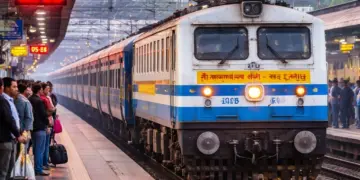






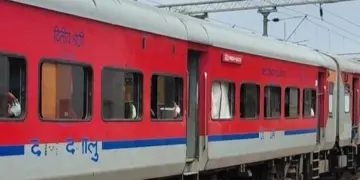


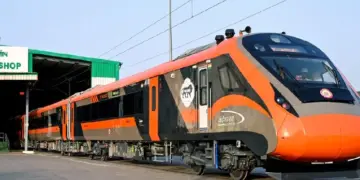
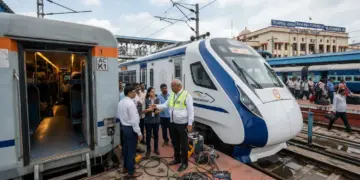
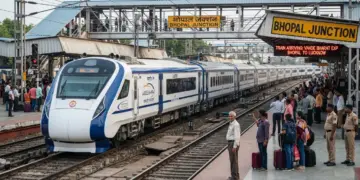
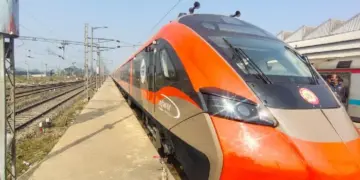
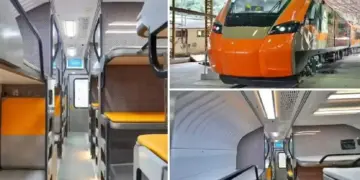


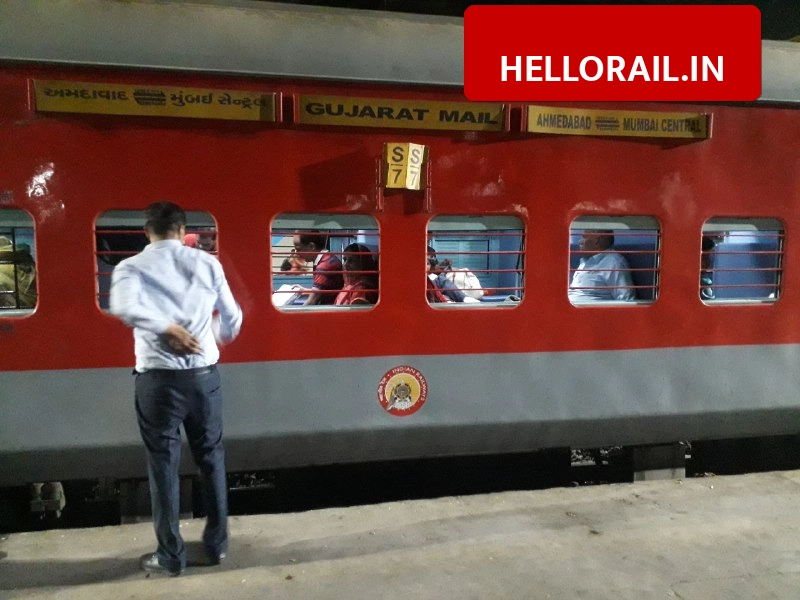

Indian Railways has introduced a significant reform to improve travel conditions for unreserved passengers. Railway Minister Ashwini Vaishnaw announced that general coaches will now receive the same level of cleaning and maintenance as AC and First Class compartments. This change is part of the 52 reforms in 52 weeks initiative, with 2026 being marked as the Year of Reforms. The government aims to provide dignity and hygiene to every traveler through the Antyodaya focus without increasing ticket prices.
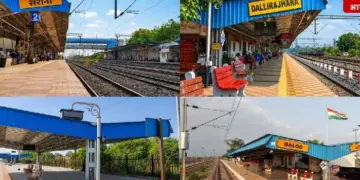
🗞️: Bhagalpur Railway Station to Allow Platform Entry Only 30 Minutes Before Train Departure।
Main Features of the New On-Board Cleaning Service
- Regular Intervals: Toilets, washbasins, and coach floors will be cleaned every 1 to 1.5 hours during the journey.
- End-to-End Service: Cleaning will happen continuously from the starting station to the destination instead of just at select stops.
- AI Monitoring: Staff must upload photos of cleaned coaches to a central War Room where Artificial Intelligence verifies the quality.
- Phase 1 Coverage: The service starts with 80 long-distance trains and will expand to the entire fleet within three years.
- Trained Staff: On-board staff are also trained to handle minor repairs like light failures or water issues immediately.
Freight Expansion and Safety Targets for 2026
Apart from passenger amenities, the Railways is focusing on the freight sector to increase revenue by 30,000 crore rupees. The plan includes expanding Gati Shakti Cargo Terminals from 124 to more than 500 within five years. These terminals will act as processing hubs to reduce logistics costs for industries like cement and minerals by up to 50 percent. Additionally, the ministry is working to reduce train accidents to a single-digit figure by 2026 through these systematic transformations.
| Focus Area | Update for 2026 |
|---|---|
| Cleaning Cost | Zero cost to passengers |
| Technology | AI-based quality verification |
| Linen Service | Single-agency management for accountability |
| Logistics | Logistics cost reduction by 30-50 percent in hill states |