
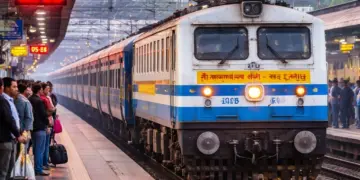

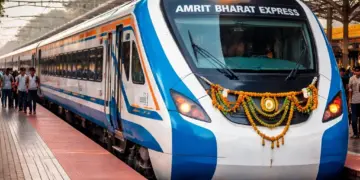
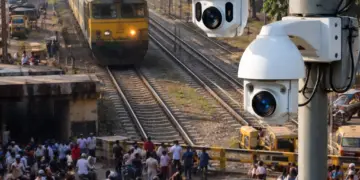
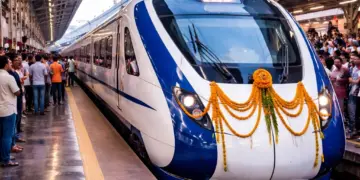
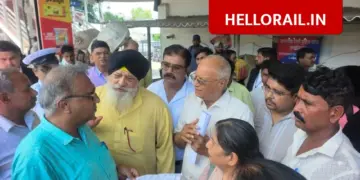
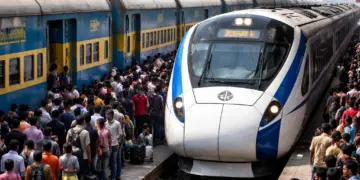
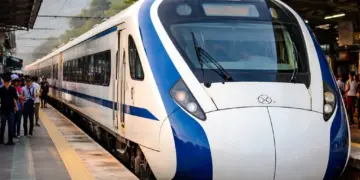
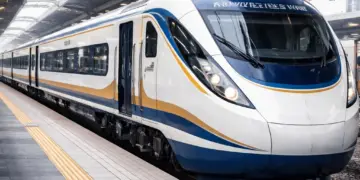
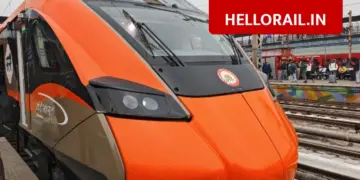
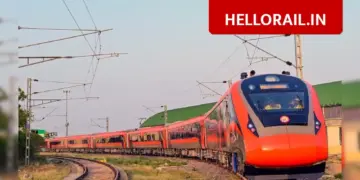
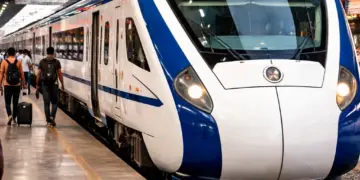
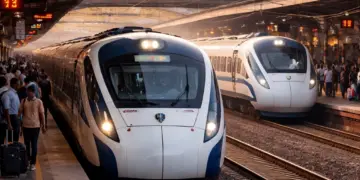
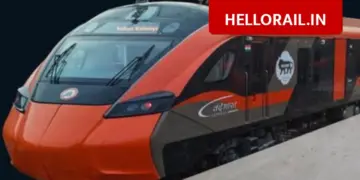
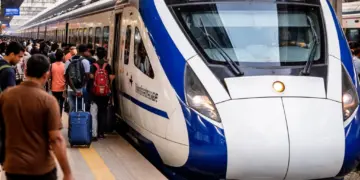


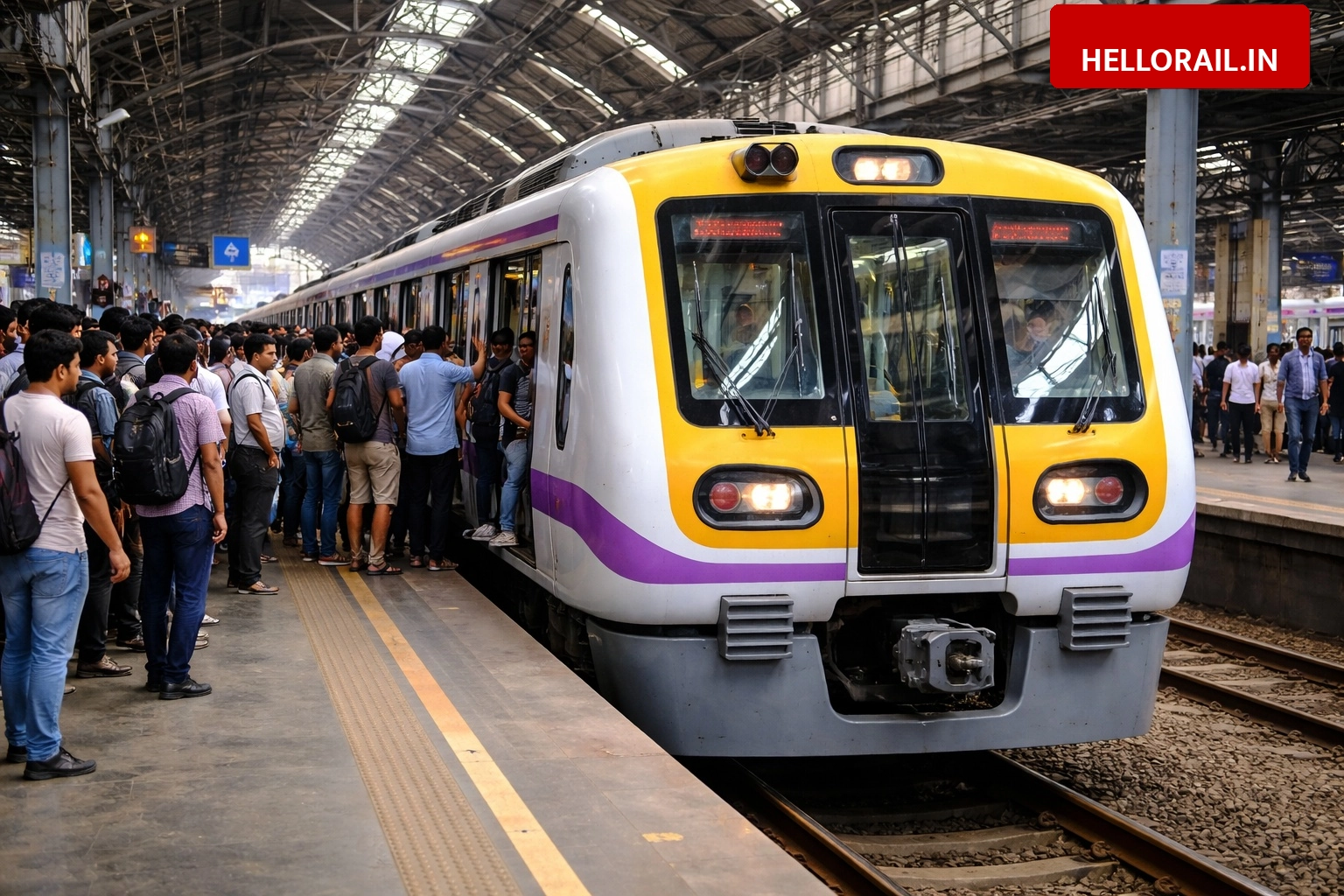

Mumbai’s suburban rail network is set for a massive transformation as the Indian Railways moves ahead with the construction of 238 new fully door-closing trains. These modern rakes are being designed to make the daily commute safer and more comfortable for millions of Mumbaikars. Rail Minister Ashwini Vaishnav confirmed in the Lok Sabha that these trains will feature automatic door-closing systems to prevent accidents caused by falling from crowded trains.
Key features and safety upgrades in the new fleet
The new fleet will include both AC and non-AC coaches, ensuring that the safety of automatic doors is available to all passengers. In a significant move, even the non-AC trains will now have vestibuled coaches, allowing passengers to move internally between compartments. This project is a part of the Mumbai Urban Transport Project (MUTP) and aims to modernize the aging fleet of the city’s lifeline.
- Automatic Doors: All 238 new trains will have doors that close before the train starts.
- Vestibule Design: New non-AC rakes will be connected internally like AC locals.
- Enhanced Monitoring: AI-based Crew Voice and Video Recording System (CVVRS) has been launched for safety.
- AC Service Boost: Central Railway has already planned 100 new AC local trips on the Main Line.
Project timeline and official rollout plan
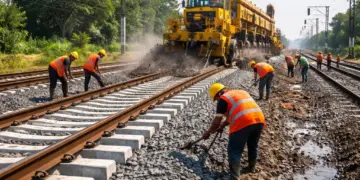
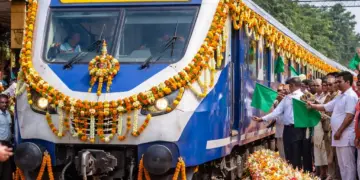
The first set of these modern local trains is expected to arrive by early 2026. Two non-AC closed-door rakes from the Integral Coach Factory (ICF) are likely to reach Central Railway by March 2026. The railway authorities have already started testing prototypes at the Kurla car shed to ensure the technology works perfectly in Mumbai’s humid and crowded conditions. The government has approved infrastructure projects worth over ₹16,200 crore to support these upgrades.
| Project Component | Details |
|---|---|
| Total New Trains | 238 Rakes |
| Primary Safety Feature | Automatic Door-Closing System |
| New AC Services | 100 trips planned on Central Railway |
| Project Authority | MRVC and Indian Railways |
| Expected Launch | Early 2026 |