


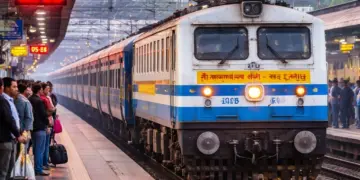





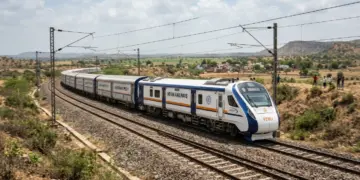
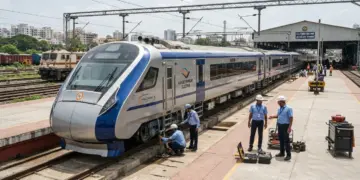
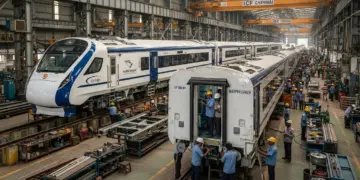
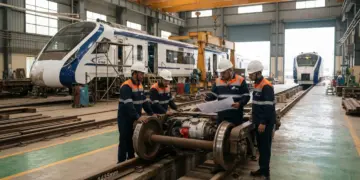
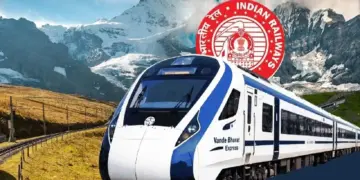
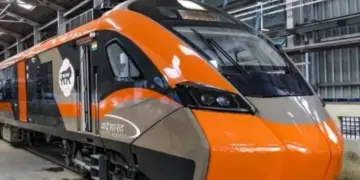
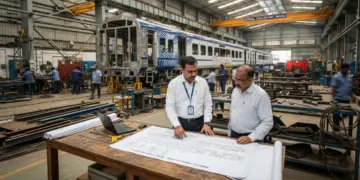


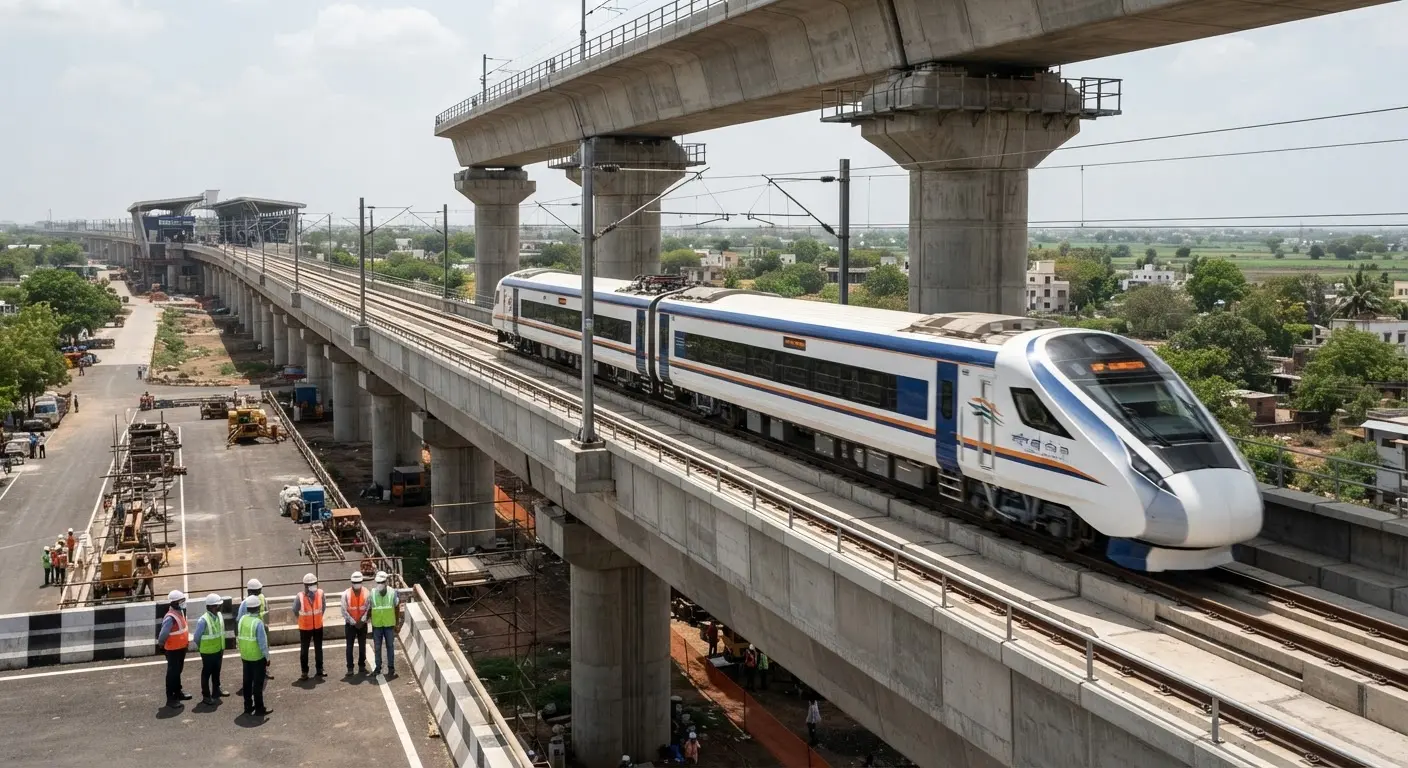

India is set to achieve a major milestone in its rail infrastructure journey with the launch of its first high-speed rail service. The inaugural stretch between Surat and Bilimora is scheduled to commence operations by August 15, 2027. This strategic decision, backed by both Indian and Japanese authorities, allows the project to move forward using indigenously developed trains while awaiting the arrival of the advanced Japanese E10 series Shinkansen, which are not expected to be ready until the early 2030s.
Key updates regarding the project include:
- The Surat-Bilimora section will serve as the launchpad for high-speed operations in India.
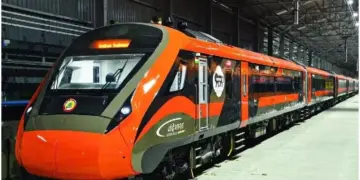
- Operations will begin using indigenously built high-speed trains currently under development by BEML and ICF.
- The full 508-km Mumbai-Ahmedabad High-Speed Rail corridor is now estimated for completion by 2029.
- The signaling system will utilize the European Train Control System (ETCS) following a tender awarded to Siemens.
Accelerating Progress and Addressing Concerns
Construction on the Mumbai-Ahmedabad High-Speed Rail corridor has seen significant momentum, with land acquisition now complete and all necessary statutory clearances firmly in place. Addressing recent rumors regarding project delays and international cooperation, the Ministry of External Affairs (MEA) spokesperson, Randhir Jaiswal, clarified on July 17, 2026, that reports suggesting friction between India and Japan are inaccurate. He dismissed claims made by former Japanese Justice Minister Hideki Makihara as individual opinions that do not reflect the current reality of the robust partnership between the two nations.
Technological Roadmap and Indigenous Development
By launching with indigenous train sets, Indian Railways aims to gain crucial operational experience in high-speed rail management before the 320 kmph Japanese E10 Shinkansen sets are eventually introduced. The National High Speed Rail Corporation Limited (NHSRCL) has been actively coordinating this transition, conducting detailed presentations on July 17 and 18, 2026, to outline the technical requirements and progress of these home-grown train designs.
Regarding the signaling infrastructure, the government confirmed that the selection of the ETCS system was a technical decision made after no Japanese bids were received for the specific tender. While the project has faced timeline adjustments from its original 2023 target, the current pace of work on the ground signals a strong commitment to delivering a world-class high-speed rail experience for Indian passengers.