




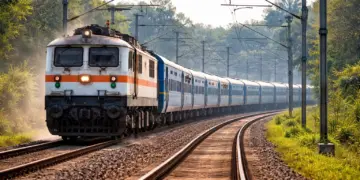
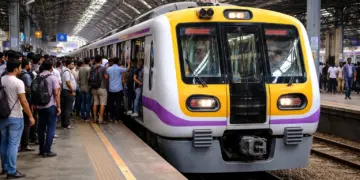
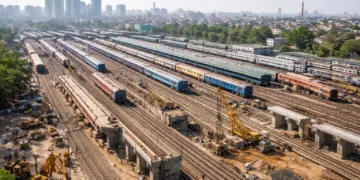
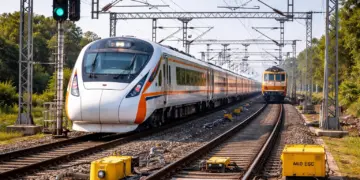
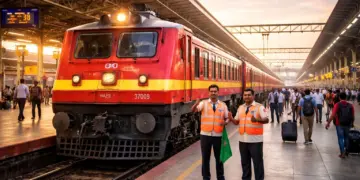
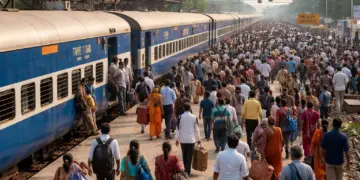
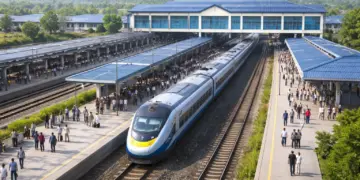

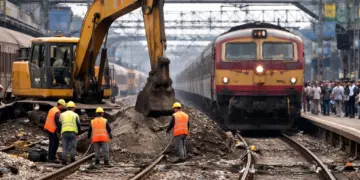
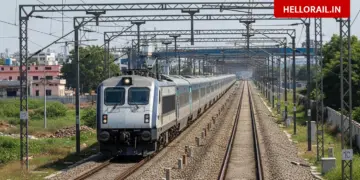





The Central Government has approved three major railway projects worth approximately Rs 9,072 crore to boost connectivity in central and eastern India. The Cabinet Committee on Economic Affairs (CCEA), chaired by Prime Minister Narendra Modi, gave the green signal to these proposals on February 24, 2026. These projects cover the states of Bihar, Jharkhand, Madhya Pradesh, and Maharashtra and aim to improve the railway network by adding about 307 kilometers of tracks.
Which new rail lines have been approved?
The Cabinet has sanctioned three specific multi-tracking projects to reduce congestion and improve speed on busy routes. These projects are part of the PM-Gati Shakti National Master Plan.
- Gondia-Jabalpur Doubling: This line connects Maharashtra and Madhya Pradesh. It will be built at a cost of Rs 5,236 crore to strengthen connectivity between the two states.
- Punarakh-Kiul 3rd & 4th Line: Located in Bihar, this project has an estimated cost of Rs 2,668 crore. It will help in reducing traffic on the main line and increasing train speeds.
- Gamharia-Chandil 3rd & 4th Line: This project in Jharkhand will cost Rs 1,168 crore and is designed to boost industrial freight transport in the region.
What are the benefits for passengers and the deadline?
The government has set a target to complete these projects by the year 2030-31. Once completed, they will bring direct benefits to about 98 lakh people across 5,407 villages in the affected districts. The expansion will also generate significant employment during the construction phase.
These new lines will make it easier for tourists to reach popular destinations like Kanha National Park, Pench National Park, and the Dalma Wildlife Sanctuary. Additionally, the projects are expected to increase freight capacity by 52 million tonnes annually, helping in the transport of coal, steel, and cement. The shift from road to rail is also expected to reduce carbon emissions by roughly 30 crore kilograms.