























The Rajgir-Tilaiya-Koderma railway line is almost complete, which is great news for people living in the border areas of Bihar and Jharkhand. This railway project has been a dream for many years and is now close to becoming a reality. According to information from the railway, the line will be fully operational by March 2026.
The total length of this railway line is about 64 kilometers. So far, 43 kilometers of track work has been completed, and work is progressing rapidly on the remaining 21 kilometers. The new railway line will make travel between Bihar and Jharkhand easier and faster. People will no longer have to travel long distances.
This will create new employment opportunities in the surrounding areas and boost business. The railway line will make it easier for students to travel for education, patients to access healthcare, and people to commute for work. Additionally, it will make it easier to reach tourist destinations in Rajgir, Koderma, and surrounding areas, promoting tourism.
The railway line will connect famous Buddhist sites like Rajgir, Nalanda, and Pawapuri, opening a new gateway for spiritual and cultural tourism. It will be a blessing for Buddhist pilgrims from both India and abroad. Tourism experts believe that this line will strengthen the global Buddhist tourism circuit.
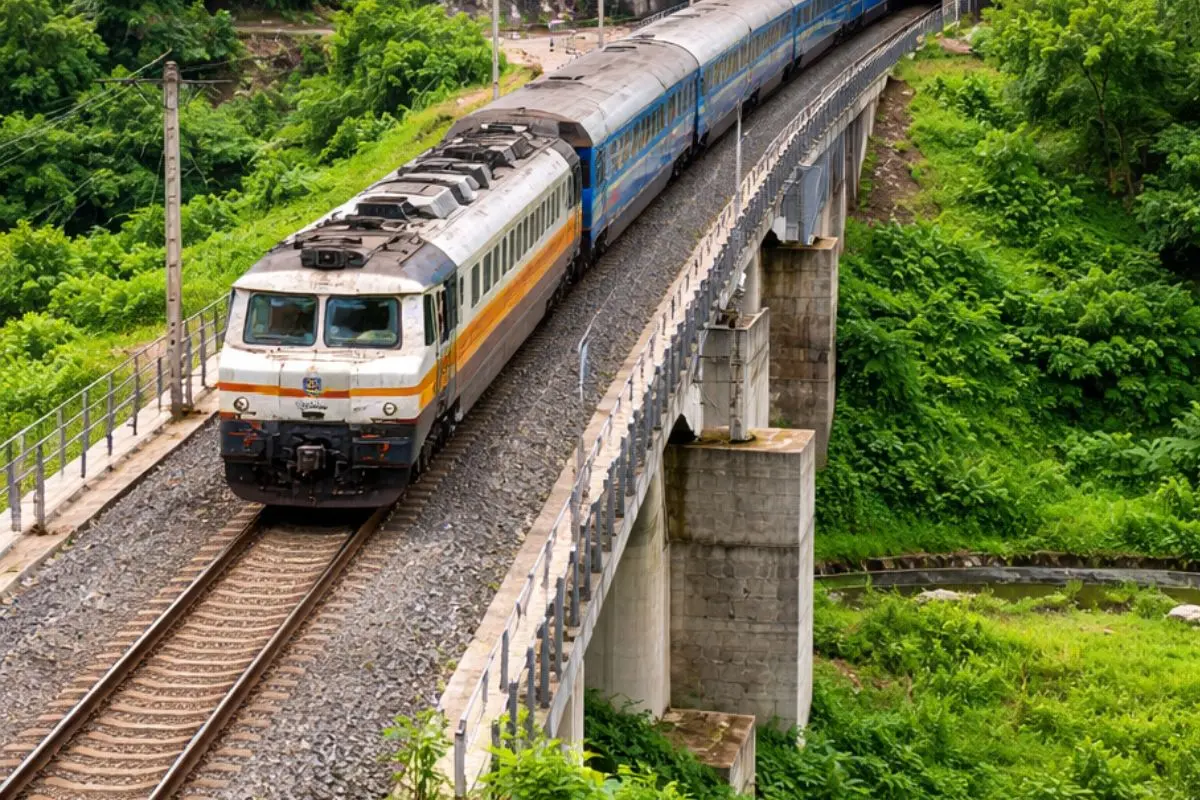
This section of the railway is one of the most technically challenging rail projects in the country. It includes four modern tunnels and seven large bridges, some in areas where basic infrastructure was unimaginable before.
The bridges being built in the Tilaiya-Koderma rail line are not ordinary. There are a total of 7 large bridges on this route, passing over deep valleys and forests. In many places, the bridges are so high that looking down, trees, forests, and mountain roads appear very small.
The railway has taken special care to ensure that the path for elephants and other wild animals is not obstructed when constructing tunnels and bridges. Wildlife corridors have been created in various places to allow animals to move safely. This work demonstrates that development and nature are not mutually exclusive but can complement each other.
Once operational, the travel time between Rajgir and Ranchi will be reduced by 3 to 4 hours. This will result in significant time and cost savings for travelers. The upcoming stations, especially Koderma and Nawada, will not only be stations but also vibrant centers of local culture. They will showcase folk art, woodcraft, solar energy-based infrastructure, and local identity on a national stage.
The railway project was approved in the 2001-02 rail budget under the then Railway Minister Nitish Kumar’s initiative, but it took almost two decades to materialize. The Ministry of Railways has allocated Rs 446.74 crore in the 2025-26 budget to complete the project.
Overall, the construction work on the Tilaiya-Koderma rail line is progressing at a war footing. Although the deadline is set for March 2026, it may extend until October-November.