

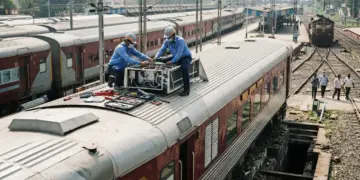
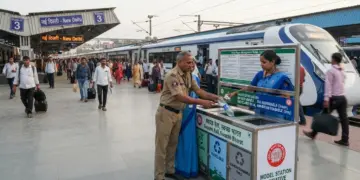

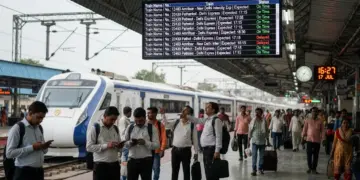


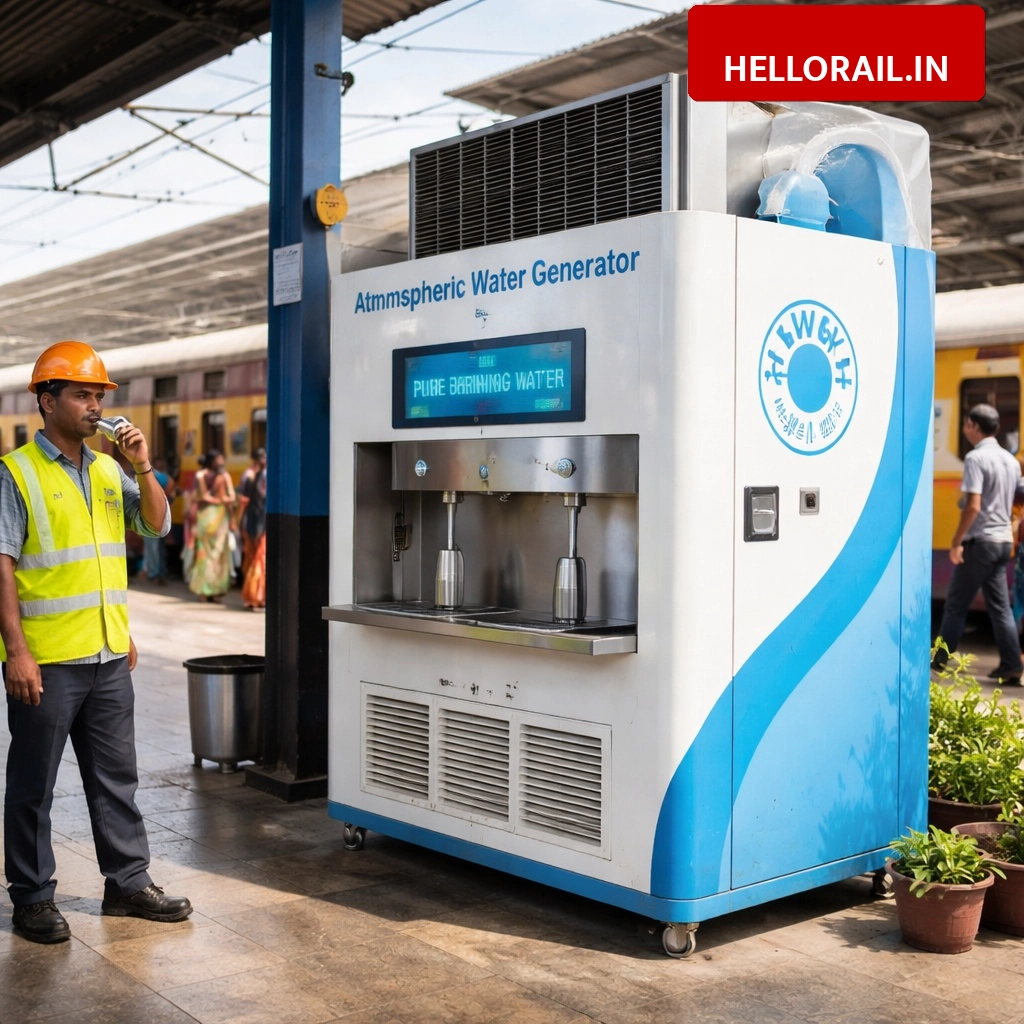

The Railway Board has issued a new directive to all zonal railways and production units to install Atmospheric Water Generators (AWG). These advanced machines will be placed in water-scarce regions to provide clean drinking water to passengers and staff. North Central Railway has already confirmed it will follow these instructions to improve water availability.
How does the AWG technology work?
The AWG system extracts moisture from the air through condensation to create potable water. This technology reduces the dependence on traditional water sources and helps in water conservation. The produced water is purified and enriched with minerals to meet the standards set by the World Health Organization and Indian authorities.
Where will these plants be installed and what is the capacity?
The Railway Board plans to deploy these plants at railway stations, hospitals, railway colonies, offices, and level crossings. A single plant can produce up to 1000 litres of water every day. These machines work effectively in temperatures between 18 to 45 degrees Celsius and humidity levels from 25 to 100 percent.
What are the water refill and bottle prices for passengers?
| Service Type | 300 ml | 500 ml | 1 Litre |
|---|---|---|---|
| Water Refill | Rs 5 | Rs 8 | Rs 12 |
| Bottled Water | Rs 7 | Rs 12 | Rs 15 |
Frequently Asked Questions (FAQs)
What is the capacity of the AWG plants being installed by Railways?
These plants can produce up to 1000 litres of clean drinking water daily and work in temperatures ranging from 18 to 45 degrees Celsius.
Who developed the ‘Meghdoot’ AWG technology used by Indian Railways?
The ‘Meghdoot’ plants were indigenously developed by Maithri Aquatech Pvt Ltd in collaboration with CSIR-Indian Institute of Chemical Technology (IICT), Hyderabad.