
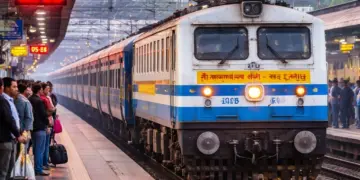




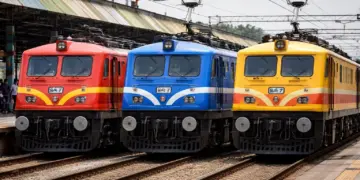





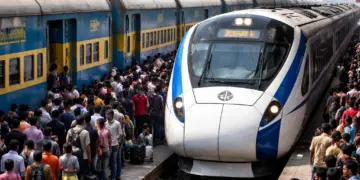
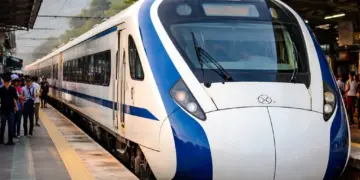
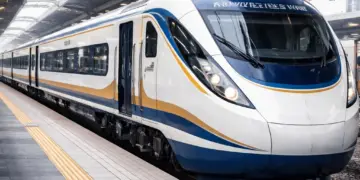

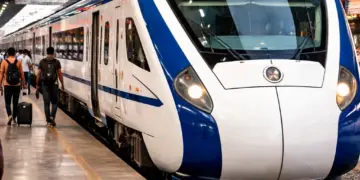
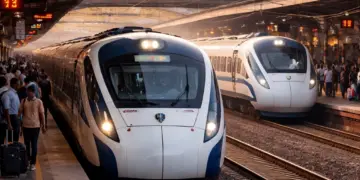
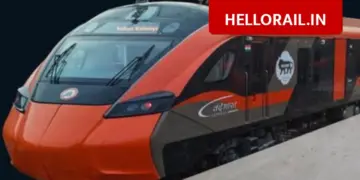


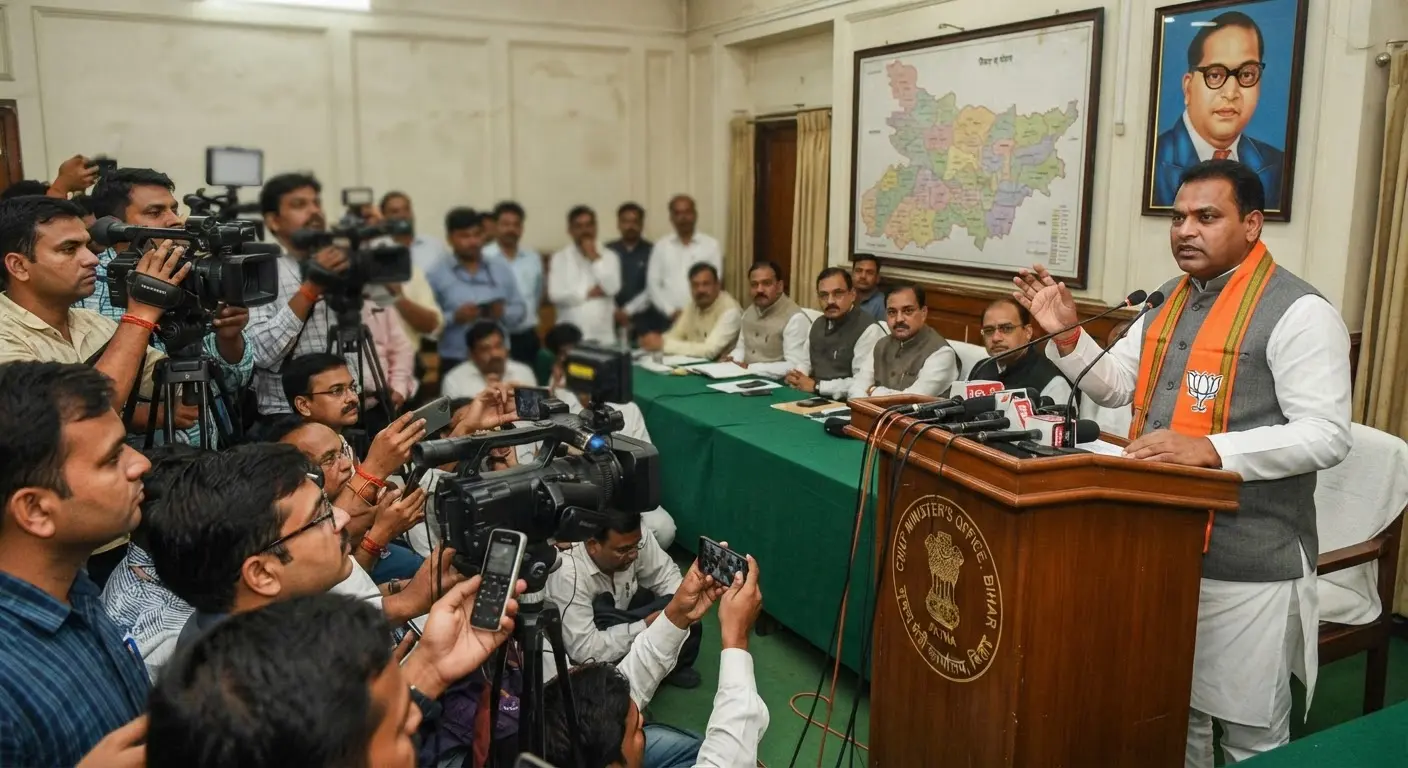

In a major push for modernizing the state’s public transport infrastructure, the Bihar Cabinet led by Chief Minister Samrat Choudhary granted in-principle approval on July 8, 2026, for the development of a Regional Rapid Transit System (RRTS) network. This decision marks the beginning of the formal planning phase, with the state government greenlighting the preparation of Detailed Project Reports (DPRs) to link the state capital, Patna, with four key urban centers.
### Connecting Key Regions
The approved rapid rail corridors are set to connect Patna to Muzaffarpur via Hajipur and Sonepur, as well as to the cities of Begusarai, Ara, and Gaya. By establishing these high-speed links, the state government aims to redefine regional connectivity and accelerate urban development across Bihar.
The National Capital Region Transport Corporation (NCRTC), which currently manages rapid rail projects in the Delhi-NCR region, has been entrusted with the task of preparing both the Alternate Analysis Report (AAR) and the DPR for this ambitious network. These corridors are being designed as semi-high-speed systems with the capability of reaching speeds of up to 180 kilometers per hour, with an operational speed of 160 kilometers per hour. For passengers, this will mean significantly reduced commute times, with officials estimating that the journey between Patna and Gaya could be completed in under 40 minutes.
### Multi-modal Integration and Economic Impact
Urban Development and Housing Department Minister Nitish Mishra emphasized that the RRTS project is central to the government’s strategy for alleviating traffic congestion and reducing pollution. Beyond improving daily commutes, the network is expected to foster the growth of satellite townships and stimulate broader economic activity. Dr. Santosh Kumar Suman, National President of Hindustani Awam Morcha (Secular) and a state minister, described the initiative as a historic milestone for the state’s progress.
A key feature of the proposed network is its focus on connectivity. The project aims to integrate RRTS stations directly with existing railway stations, metro stations, and bus terminals. This multi-modal approach is designed to create a seamless transit experience for passengers while simultaneously boosting tourism and creating new employment opportunities throughout the region.