



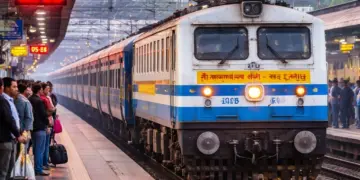

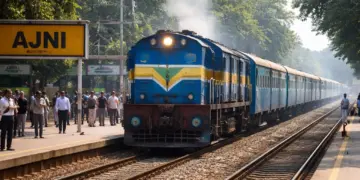









The Ministry of Railways approved a signaling project worth ₹274 crore for the Malda Division on July 2, 2026. This project focuses on improving train safety and ensuring better punctuality across the region. The upgrade will target some of the busiest corridors to reduce delays and prevent accidents.
What changes are coming to Malda Division
The project involves replacing old relay-based interlocking systems with modern Electronic Interlocking (EI) technology. This upgrade will be implemented at 20 specific locations, including 18 railway stations and two intermediate block signaling points. These areas are part of the High Utility Network (HUN) routes which handle heavy traffic.
How will this benefit the passengers
The new system is designed to be fail-safe, which means it reduces the risk of human error and equipment failure. It allows for faster recovery of services if a glitch occurs and increases overall operational flexibility. Additionally, these electronic systems will make it easier to integrate future safety technologies like Kavach.
Latest updates on Kavach technology
While Malda prepares for its upgrade, the Railway Minister informed the Lok Sabha on July 8, 2026, that Kavach 4.0 is now operational over 1,452 route kilometers on the Delhi-Mumbai and Delhi-Howrah corridors. South Western Railway also completed successful tests on a 98 km stretch from Tumakuru to Arsikere in Karnataka.
| Feature | Details |
|---|---|
| Project Cost | ₹274 Crore |
| Locations | 18 Stations and 2 Block Signaling points |
| Technology | Electronic Interlocking (EI) |
| Focus Area | High Utility Network (HUN) routes |
Frequently Asked Questions (FAQs)
What is the main goal of the ₹274 crore project in Malda Division?
The project aims to improve rail safety and punctuality by replacing old relay-based systems with Electronic Interlocking (EI) technology at 20 locations.
How does Kavach 4.0 help in railway safety?
Kavach acts as an electronic watchdog that prevents head-on and rear-end collisions and stops trains from passing signals at danger (SPAD).