























A Milestone for Indian Railways
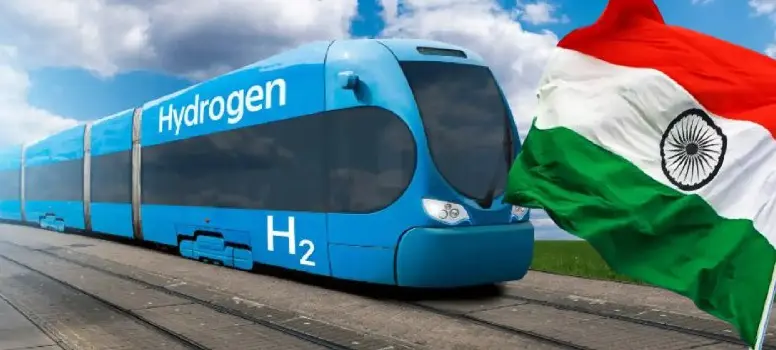
Indian Railways is set to usher in a new era of sustainable travel with the launch of the country’s first hydrogen-powered train. Prime Minister Narendra Modi will officially inaugurate the ‘Namo Green Rail’ on July 17, 2026, at the Jind Railway Station in Haryana. This landmark project aligns with the ‘Green Transportation Mission’ and the ‘Make in India’ initiative, positioning India as a global leader in clean rail technology.
Operational Details and Route
The hydrogen train is scheduled to operate on the Jind-Sonipat section, covering a distance of approximately 90 kilometers. The service will run six days a week, with two daily trips totaling around 356 kilometers per day. Commuters can expect a swift transit, with the journey between the two stations taking approximately one hour. To ensure accessibility, fares for this service have been set between 5 and 25 rupees.
Cutting-Edge Technology and Design
The ‘Namo Green Rail’ represents a significant engineering achievement. Designed by the Research, Design and Standards Organisation (RDSO) in Lucknow and manufactured at the Integral Coach Factory (ICF) in Chennai, the train uses hydrogen fuel cell technology. It generates electricity through a chemical reaction between hydrogen and oxygen, ensuring that the only emissions are water vapor and heat. The train features 10 coaches, including two driving power cars, and boasts a seating capacity of 682, with a total passenger capacity of 2,600.
Performance and Infrastructure
Equipped with 27 hydrogen cylinders, the train offers a range of approximately 250 kilometers on a single refueling, consuming roughly 300 kg of hydrogen daily. While it will operate at a service speed of 75 km/h, the train has been tested for speeds up to 120 km/h. Recognized as the world’s longest hydrogen-powered train on a broad-gauge network, its safety and design have been certified by the international firm TÜV SÜD. To support this service, Indian Railways has invested 89 crore rupees to develop dedicated infrastructure, including a hydrogen production facility and a specialized refueling station at Jind.