
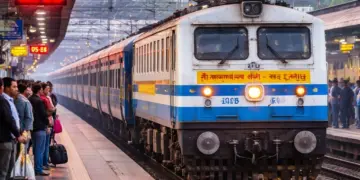


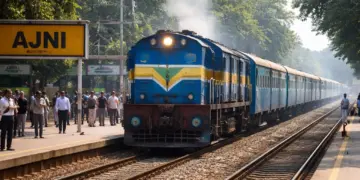



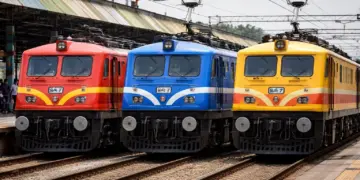






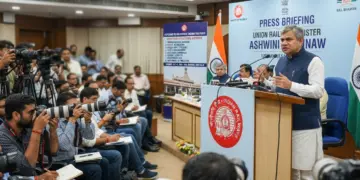
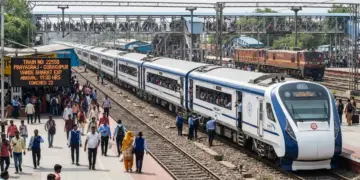







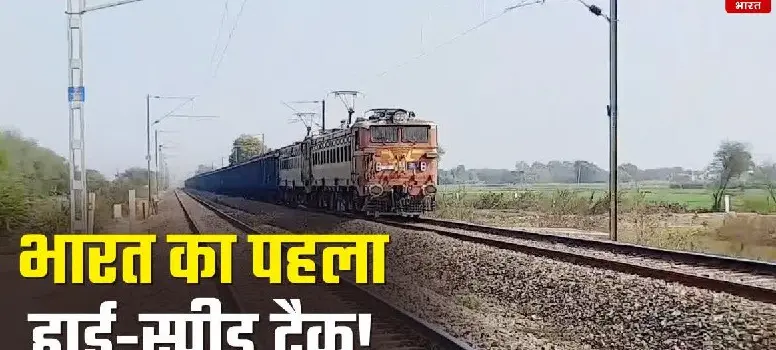

Indian Railways has achieved a major milestone in infrastructure development with the completion of a 549-kilometer long railway track capable of supporting speeds up to 160 km/h. This high-speed corridor, connecting the vital Delhi-Mumbai route, has been fully integrated with the indigenous KAVACH automatic train protection system. The announcement, reported on July 15, 2026, marks a transformative step in ensuring passenger safety and operational efficiency on one of the country’s busiest rail arteries.
- High-speed capability: The track is engineered to support train operations at speeds of 160 km/h.
- Safety integration: The indigenous KAVACH 4.0 system is now operational across the route.
- Extensive coverage: Total KAVACH coverage now extends to approximately 1258 kilometers of rail line.
- Strategic progress: The Palwal-Mathura-Nagda section (633 km) was successfully commissioned by late 2025.
Understanding the KAVACH Safety Mechanism
The KAVACH system is a sophisticated Automatic Train Protection (ATP) mechanism designed to prevent collisions and human error. It actively assists loco pilots by ensuring trains stay within pre-defined speed limits. If a pilot fails to respond to a caution signal or exceeds speed restrictions, the system automatically applies the brakes to prevent accidents. Development of this technology began in 2015, with the first operational certificate granted in 2018.
A Phased Rollout Toward Modernization
The journey to this achievement has been methodical. The KAVACH 4.0 version, which received formal approval from the Research Design and Standards Organisation (RDSO) in July 2024, was specifically optimized for high-speed operations. By August 2025, the system was operational on the Mathura-Kota section. Further progress was made in May 2026 with the successful implementation on the Delhi-Palwal route.
While the ambitious target to cover major routes like Delhi-Mumbai and Delhi-Howrah by December 2025 faced challenges, reaching approximately 25% completion at that time, the rapid acceleration of deployment throughout 2026 has been significant. Railway authorities have confirmed that the Palwal to Virar section is now fully equipped, reinforcing the network’s commitment to achieving a safer, modern, and faster rail experience for millions of passengers.