
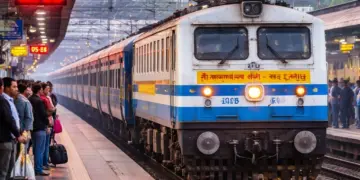





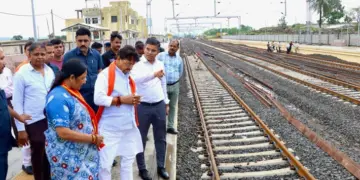

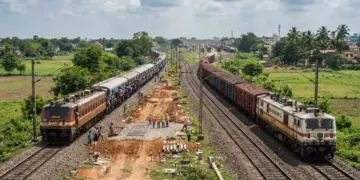
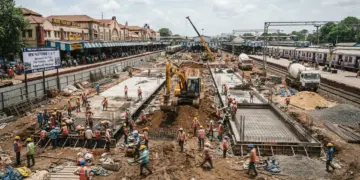



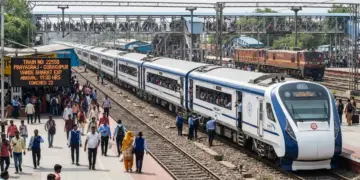
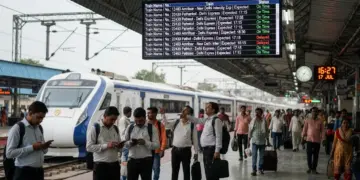


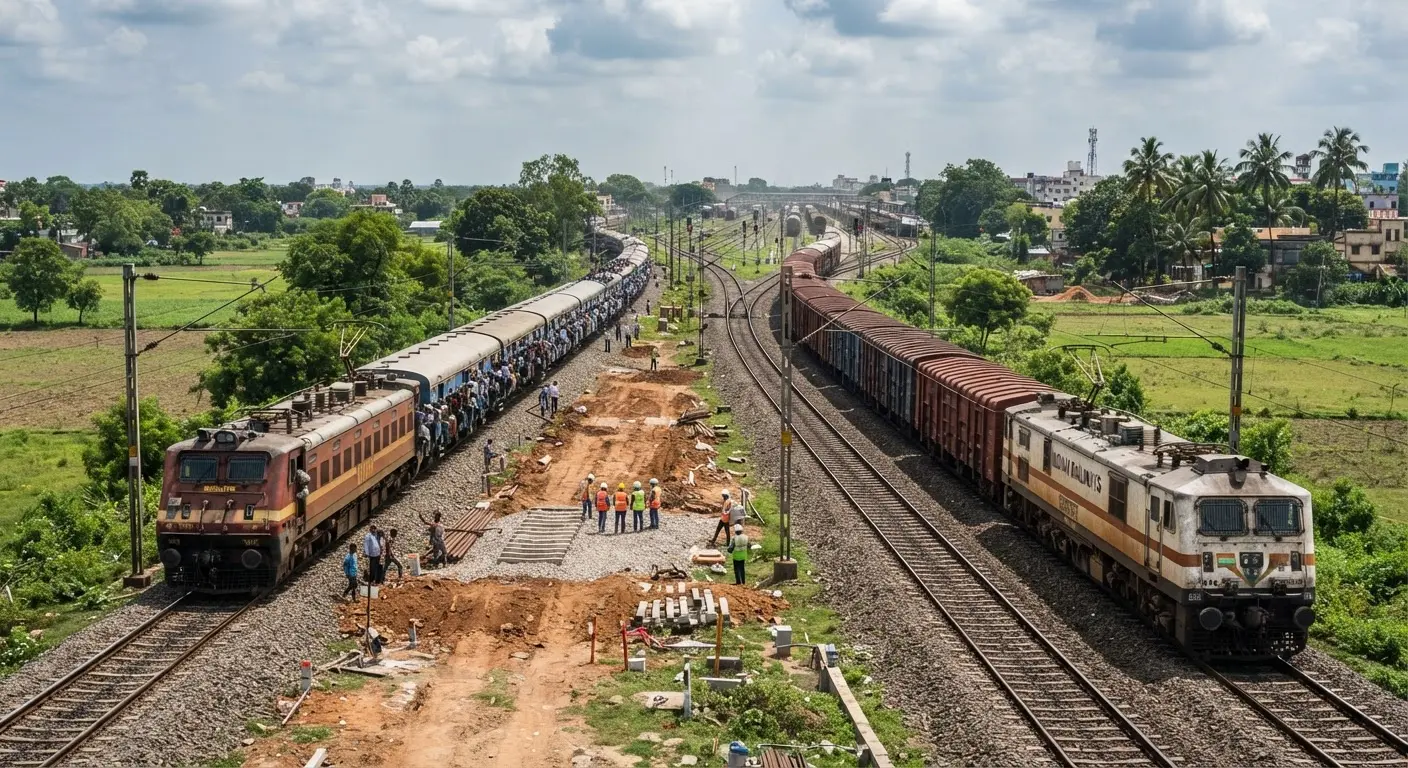

Indian Railways has officially sanctioned the construction of a **14.52-kilometer third railway line** connecting the Nimpura West Outer Cabin and Midnapur station in West Bengal. This vital infrastructure project, approved on **July 23, 2026**, comes with an estimated investment of **₹440 crore**. The development is aimed at resolving critical traffic bottlenecks in the Kharagpur division, where the existing tracks are currently operating at a staggering **115.71% capacity utilization**.
Key highlights of the sanctioned project include:
- Project length spans 14.52 kilometers between Nimpura West Outer Cabin and Midnapur.
- Total sanctioned cost for the infrastructure upgrade is ₹440 crore.
- The route falls under the South Eastern Railway zone and is classified as a High Utilisation Network (HUN-2) corridor.
- Completion of the line is expected to facilitate an additional 3.52 million tonnes per annum (MTPA) of freight traffic.
Boosting Capacity and Operational Efficiency
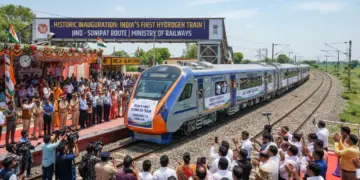
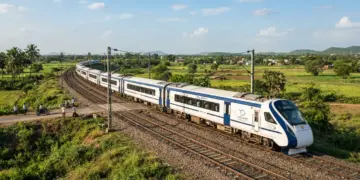
This strategic expansion is a major step in the national initiative to decongest high-density railway corridors. By adding a third line, the South Eastern Railway aims to provide much-needed operational flexibility, allowing for smoother movement of both passenger and goods trains. The current severe congestion often leads to delays, and this upgrade is expected to significantly improve the **punctuality of daily commuter services** across the region.
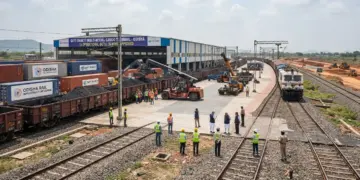
Beyond passenger convenience, the new line is set to play a pivotal role in the national economy. By streamlining the transport of essential commodities—including **coal, iron ore, steel, cement, fertilizers, and petroleum products**—the project will support industrial growth and ensure a more reliable supply chain. Indian Railways has stated that this investment is part of a broader vision to build a **faster and future-ready railway system**. As the network expands, the enhanced infrastructure will not only accommodate current traffic demands but also support the increasing logistical requirements of the country, ensuring better connectivity and long-term economic stability for the region.