




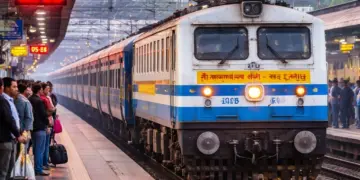




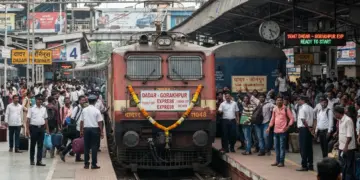
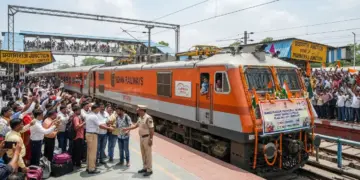

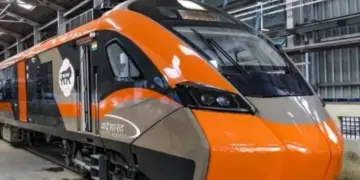


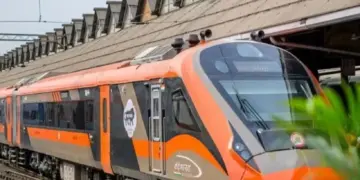
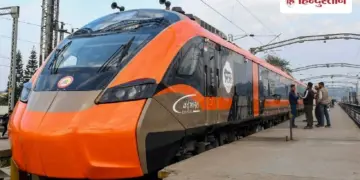



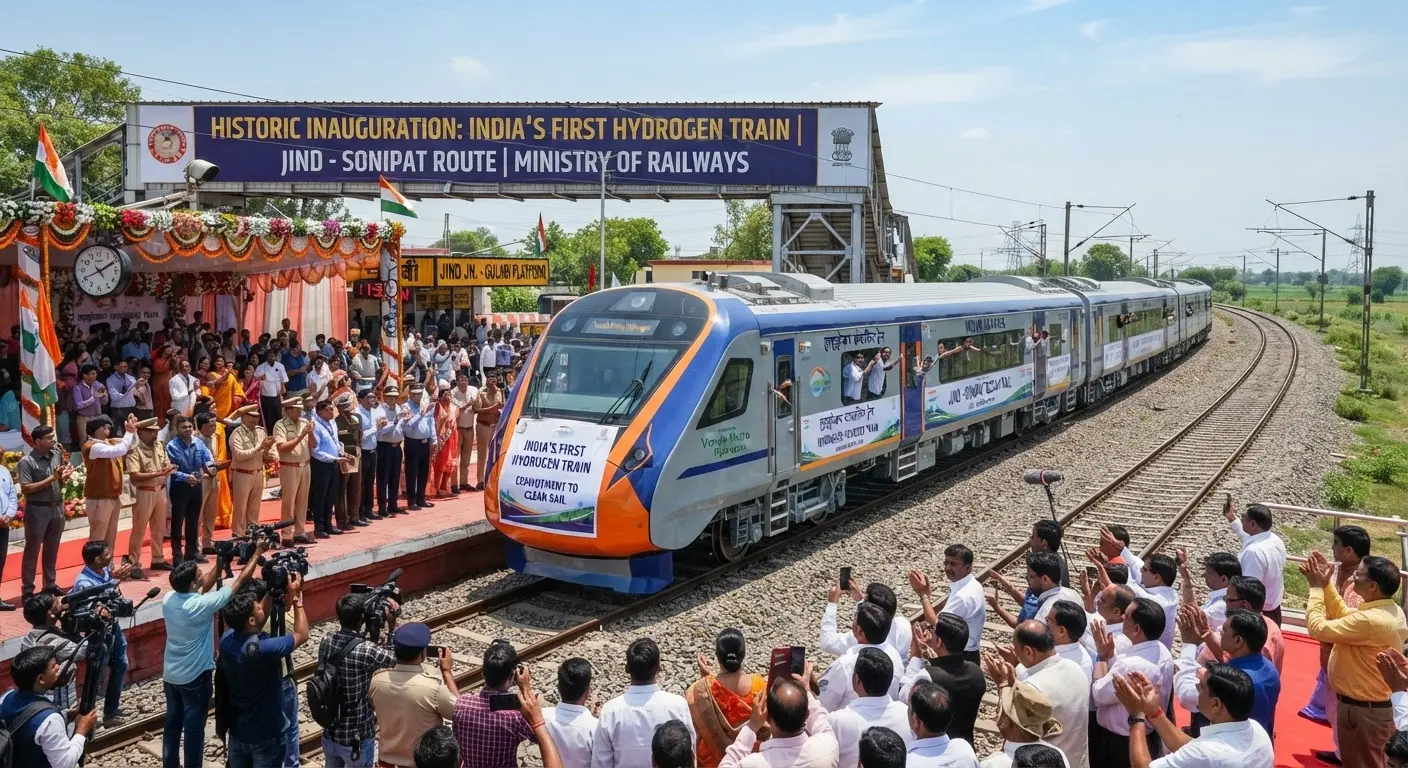

Indian Railways has achieved a landmark success in its green energy transition with the successful operation of the country’s first hydrogen-powered train. Since its inaugural run on July 17, 2026, the train has been operating on the Jind-Sonipat route, marking a revolutionary shift toward sustainable rail infrastructure. This initiative is part of a broader national strategy to reduce the carbon footprint of the railway network and move away from traditional diesel-based locomotion.
- Launch Date: July 17, 2026
- Operational Route: Jind to Sonipat (near Delhi)
- Distance Covered: Over 1,200 kilometers
- Environmental Impact: Saved more than 3,200 liters of diesel
A Greener Future for Indian Railways
The performance of the hydrogen fuel cell train has been highly encouraging since its maiden journey. By seamlessly covering over 1,200 kilometers, the train has proven its reliability and operational efficiency in real-world conditions. Most importantly, the shift to hydrogen technology has already resulted in a saving of more than 3,200 liters of diesel, demonstrating a clear and immediate reduction in fossil fuel dependency for regional rail services.
Building an Indigenous Hydrogen Ecosystem
This project is more than just a technological test; it is the foundation for an indigenous hydrogen rail ecosystem in India. By developing this technology locally, India is positioning itself as a potential global leader in zero-emission rail mobility. The success of the Jind-Sonipat route serves as a pilot for future expansion, providing the data and experience required to scale up hydrogen-powered transportation across the country. As the network grows, this move is set to play a pivotal role in India’s commitment to sustainable development and clean, climate-friendly public transit.