



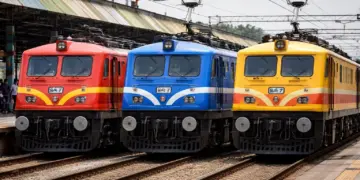


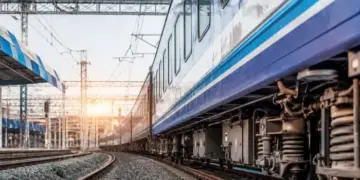

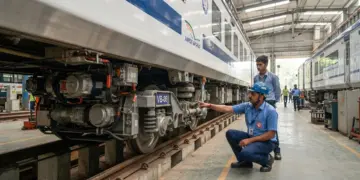
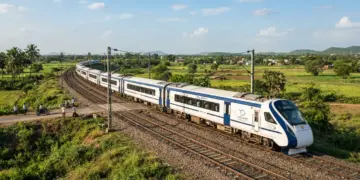
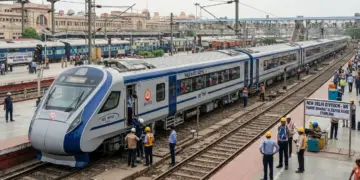
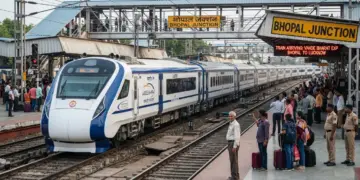
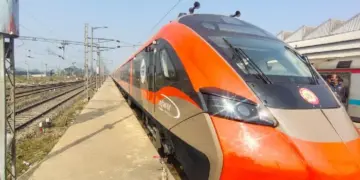
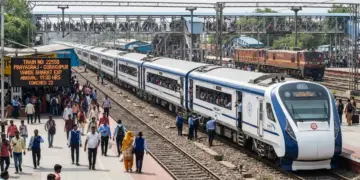
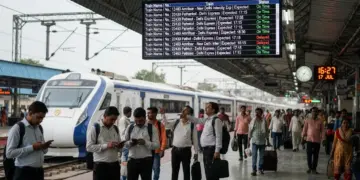


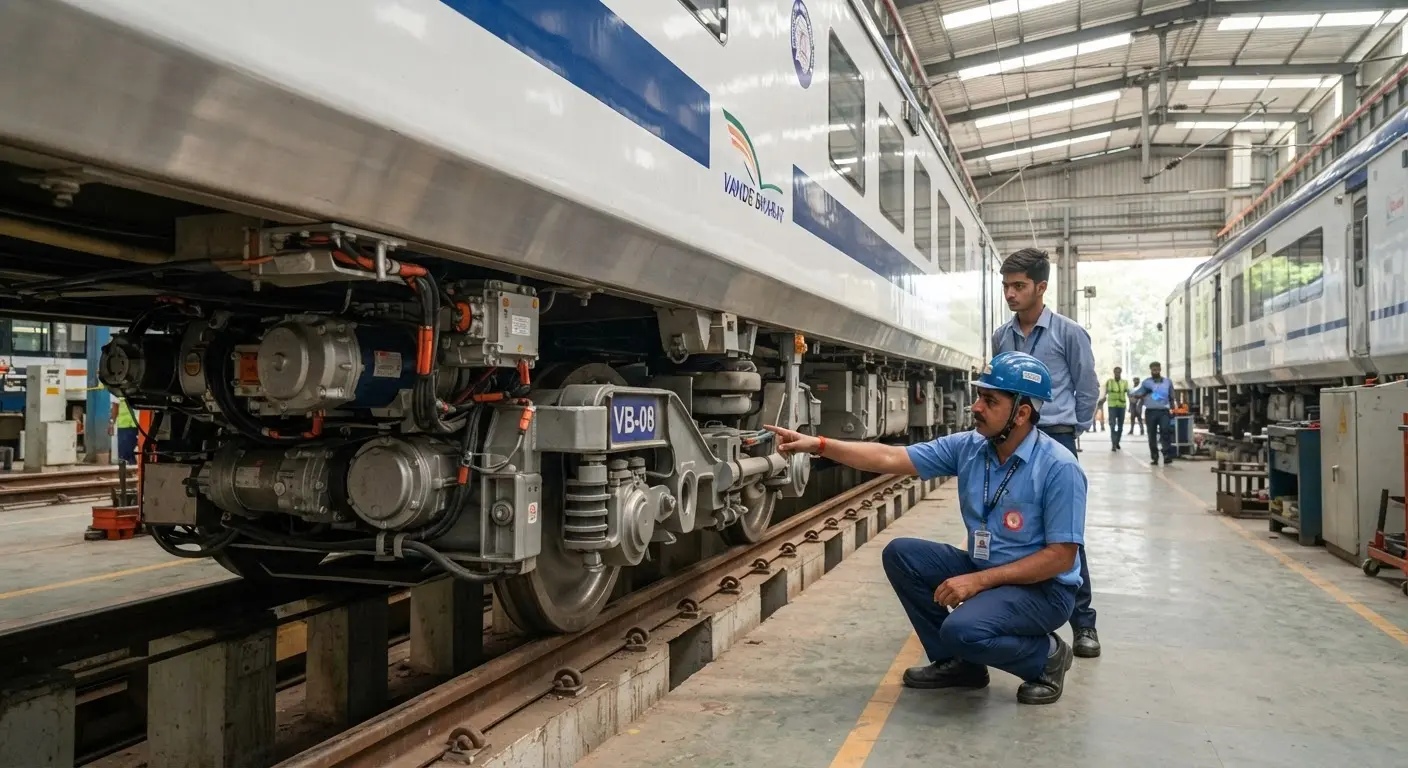

The Vande Bharat Express has transformed India’s rail landscape by utilizing advanced distributed traction technology to deliver semi-high-speed performance. Unlike traditional trains that rely on a single locomotive, the Vande Bharat design distributes power across multiple coaches, ensuring superior acceleration and smoother deceleration. This technological shift is a key pillar of the ‘Make in India’ initiative and sets a new benchmark for modern passenger rail infrastructure.
- Distributed traction: Approximately 50% of coaches in a 16-coach rake feature traction motors.
- Speed capabilities: Designed for 180 km/h with operational speeds ranging from 130 km/h to 160 km/h.
- Network presence: As of July 23, 2026, 162 Chair Car and 2 Sleeper Vande Bharat services are operational.
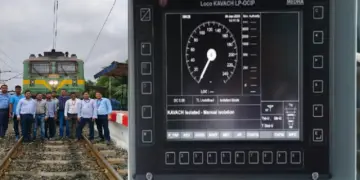
- Advanced safety: All units are equipped with the indigenous Kavach automatic train protection system.
Engineering Efficiency and Future Upgrades
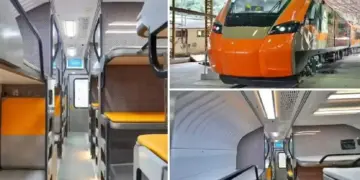
By moving away from a single-engine configuration, the Vande Bharat achieves rapid speed transitions, which are essential for maintaining strict schedules on existing tracks. A significant recent development involves Bharat Heavy Electricals Limited (BHEL), which has begun supplying underslung traction converters for the Vande Bharat Sleeper variants. By placing this propulsion equipment beneath the car, engineers have effectively increased onboard passenger space, enhancing comfort for long-distance journeys.
Distinction from Dedicated Bullet Trains
Indian Railways has clarified that while the Vande Bharat is a marvel of semi-high-speed engineering, it functions differently from dedicated high-speed corridors. The Vande Bharat is optimized for existing networks, whereas ‘Bullet Trains’—such as those utilizing Japanese Shinkansen technology or the upcoming indigenous B28 ‘Bharat’ train—are designed for ultra-high speeds of up to 350 km/h on entirely separate, dedicated corridors.
Expansion of Sleeper Services
The Vande Bharat Sleeper train, specifically tailored for long-distance travel, represents a major step forward in premium rail travel. Union Railways Minister Ashwini Vaishnaw highlighted that the inaugural Sleeper service between Howrah and Kamakhya, which launched in January 2026, serves as a testament to the success of indigenous R&D. With the current fleet size and the integration of the Kavach safety system, Indian Railways continues to prioritize both speed and passenger security across its expanding national network.