



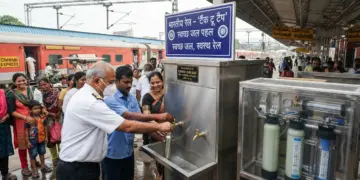



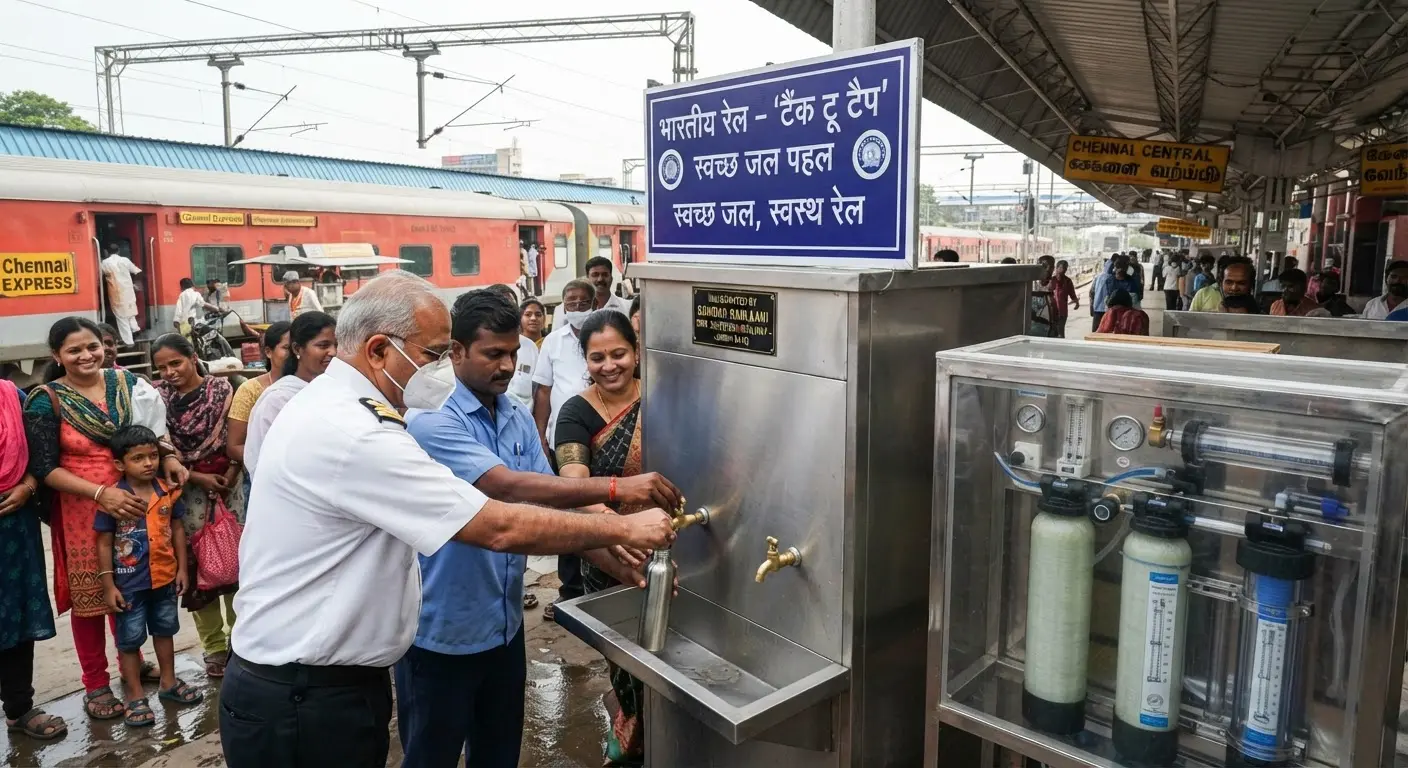

Indian Railways has launched a major infrastructure initiative to overhaul drinking water quality across its vast network. Following a critical audit by the Comptroller and Auditor General (CAG), the national transporter is implementing a comprehensive “Tank to Tap” filtration and monitoring system covering approximately 20,000 locations, including station water coolers. This move aims to guarantee that water remains safe and free from contamination from the storage tank all the way to the passenger’s cup.
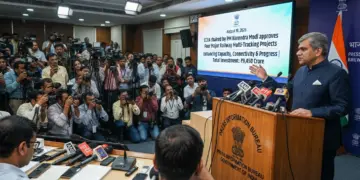
- Directives issued: Railway Minister Ashwini Vaishnaw ordered immediate corrective action on August 16, 2026.
- Audit findings: CAG Report No. 31 of 2026 highlighted E. coli and coliform bacteria presence at major stations.
- Infrastructure gap: Audit data showed 27% of inspected stations lacked sufficient drinking water taps.
- Accountability: A centralized monitoring system will be established to track water quality and maintenance.
Addressing Audit Concerns
The directive follows the release of CAG Report No. 31 of 2026, which scrutinized water quality and passenger amenities at non-suburban stations during the 2022-23 and 2023-24 periods. The audit identified the presence of E. coli in water cooler samples at eight specific stations: Coimbatore, Palakkad Junction, Hyderabad, Chhatrapati Shivaji Maharaj Terminus, Bhiwandi Road, Kalyan, Lonavala, and Madhupur. Furthermore, the report revealed that 27% of the 512 stations inspected were lacking adequate drinking water taps for passengers.
Modernization and Monitoring
To rectify these issues, Indian Railways will systematically replace aged or damaged water tanks across the network. The new protocol mandates rigorous water quality testing at both the source and the outlet points. Beyond installation, the plan emphasizes scheduled cleaning and regular maintenance of storage facilities to prevent bacterial growth.
The Railway Board has been tasked with direct oversight of this project. To ensure transparency, the board will publish periodic water quality and progress reports, ensuring strict alignment with the Uniform Drinking Water Quality Protocol. By centralizing the monitoring system, the Railways aims to move away from reactive fixes toward a proactive culture of safety and hygiene for millions of daily rail commuters.