





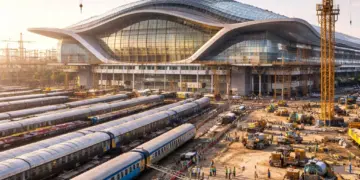




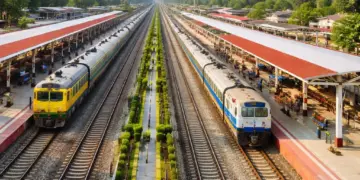

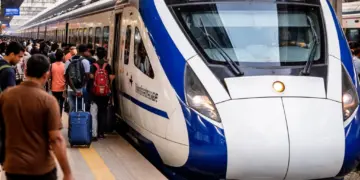



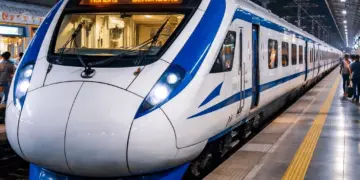
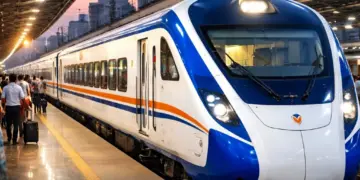



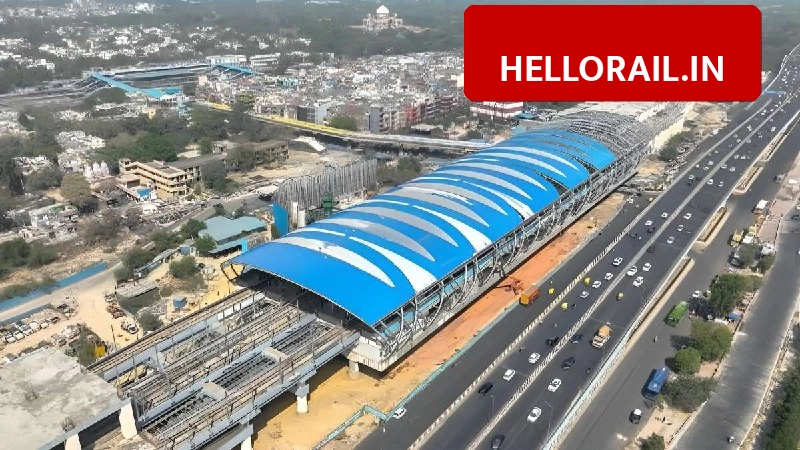

Delhi is set to witness a massive infrastructure overhaul at Sarai Kale Khan as plans for a 31-acre multi-modal transport hub take shape. This ambitious project aims to integrate various modes of transport including buses, the Delhi Metro, RRTS known as Namo Bharat, and private vehicles. With an estimated cost of 7613 crore, the redevelopment will fix long-standing connectivity issues and provide modern facilities for thousands of daily commuters.
What are the key timelines and costs for the project?
The Delhi Transport Infrastructure Development Corporation (DTIDC) is leading the redevelopment of this hub. Tenders for the project are expected to be issued by July 2026, with a final completion target of December 2030. However, the new ISBT building is scheduled to be ready much earlier, by December 2028. Additionally, the Delhi government is focusing on upgrading three existing ISBTs at a cost of 34 crore with a six-month completion goal.
| Project Component | Estimated Cost | Completion Deadline |
|---|---|---|
| Total Multi-Modal Hub | 7613 Crore | December 2030 |
| New ISBT Building | Included in total | December 2028 |
| ISBT Upgradation | 34 Crore | February 2026 |
| Yamuna Riverfront Land | 28.3 Crore | August 2026 |
How will the new Sarai Kale Khan Hub benefit commuters?
The hub will serve as a central point for three RRTS corridors, connecting Delhi to Meerut, Alwar, and Karnal. The Namo Bharat station is designed to handle high footfall with 6 platforms and 18 escalators. For those using road transport, a two-story bus terminal will accommodate over 150 buses simultaneously across two levels. This integration is expected to reduce heavy traffic congestion in the area significantly.
- Seamless Connectivity: Direct integration between RRTS, Delhi Metro, ISBT, and local taxis through a 280-meter foot over bridge with travelators.
- Parking Capacity: Facilities for 1500 cars and dedicated charging stations for electric vehicles will be available.
- Modern Infrastructure: The 31-acre area will include residential and commercial zones alongside the transport facilities.
- Strategic Location: The hub acts as the confluence point for three expressways, making it a critical node for NCR travel.