














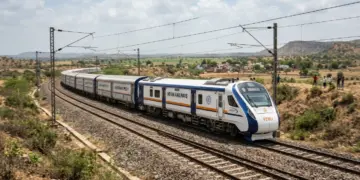
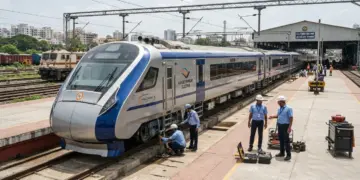
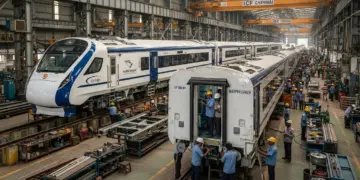
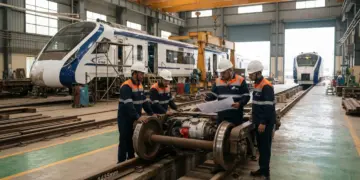

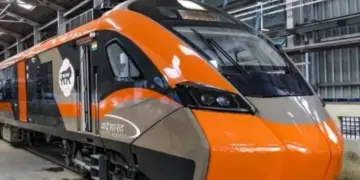




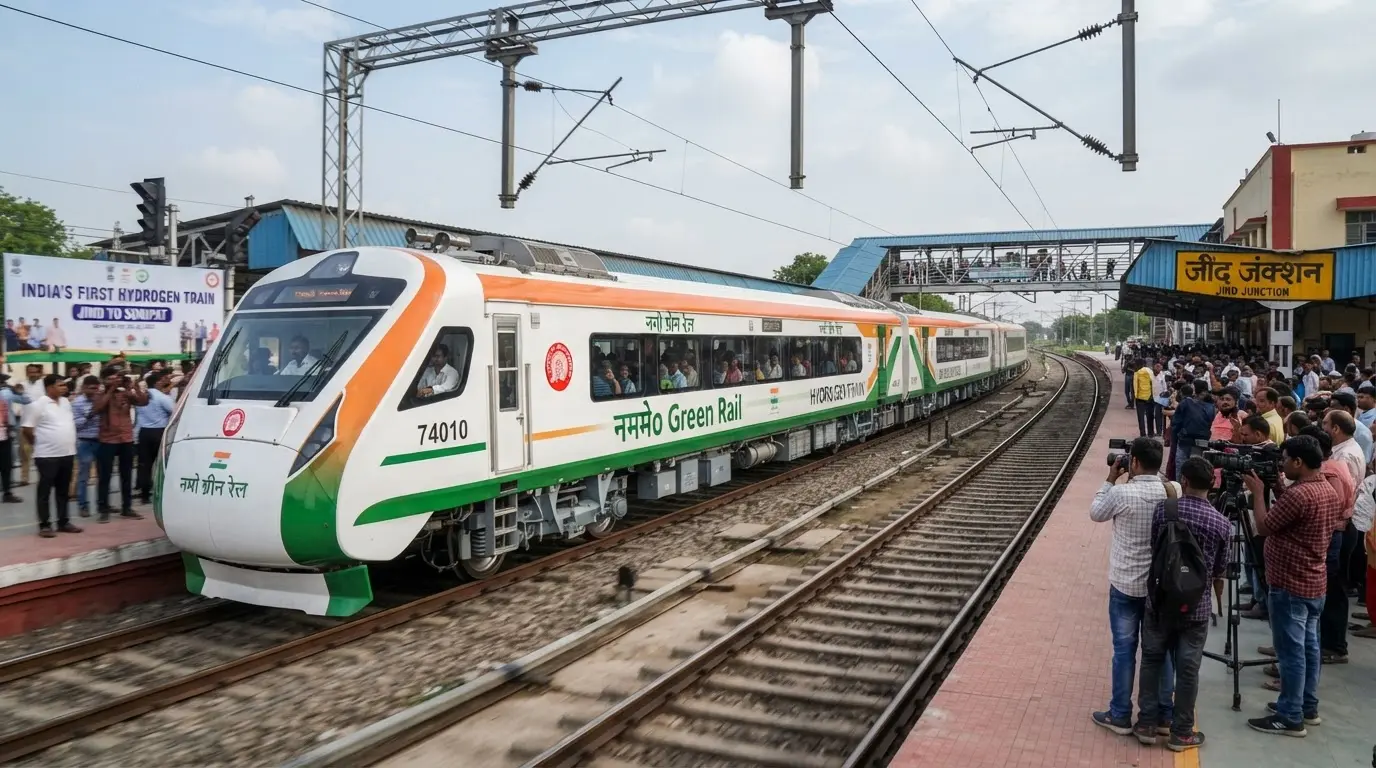

India has officially entered a new era of sustainable rail travel with the launch of its first hydrogen-powered train, the ‘NaMo Green Rail’. This eco-friendly service, which began regular commercial operations on Sunday, July 19, 2026, marks a major milestone in the nation’s green transportation roadmap. The train connects Jind and Sonipat, providing a cleaner, zero-emission alternative to traditional diesel locomotives.
Key highlights of the new service include:
- Commercial launch: Regular passenger services commenced on July 19, 2026.
- Route connectivity: The train covers an 89-km route between Jind Junction and Sonipat with 12 intermediate stops.
- Operational schedule: The service runs six days a week, excluding one day reserved for maintenance.
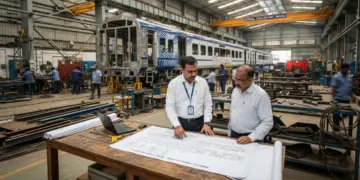
- Indigenous technology: Developed under the ‘Atmanirbhar Bharat’ initiative by ICF Chennai.
- Safety standards: Rigorous testing by TUV SUD, Germany, with multi-layer hydrogen leak sensors.
Timings and Route Details
The train, identified by numbers 74010 and 74009, offers a convenient schedule for daily commuters. Train 74010 departs Jind Junction at 7:40 AM and reaches Sonipat at 9:40 AM. The return service, Train 74009, departs Sonipat at 10:40 AM, arriving back at Jind Junction by 1:00 PM.
Engineering and Safety Excellence
Union Railways Minister Ashwini Vaishnaw stated that the 10-coach trainset is powered by a 1200 kW hydrogen fuel cell propulsion system. While the train operates at a maximum speed of 75 kmph, it boasts a design speed of 110 kmph. With a capacity for 2,600 passengers, the train is built for high-density regional travel.
Safety remains a top priority for this project. The deployment includes a specialized hydrogen storage and refuelling facility in Jind, licensed by the Petroleum and Explosives Safety Organisation (PESO). The propulsion system has undergone comprehensive international safety assessments to ensure it meets global standards for heat and flame protection.
By successfully launching this pilot project, which involved an investment of approximately $12 million, India joins the elite ranks of nations like Germany, Japan, China, and the United States in the global hydrogen rail race. This initiative not only reduces the carbon footprint of Indian Railways but also showcases the country’s growing prowess in developing indigenous, high-tech transportation solutions.