












The Northeast Railway (NER) is rapidly upgrading its freight infrastructure by establishing high-tech cargo terminals across four key stations. This initiative is designed to streamline logistics, particularly for food grain transportation, while simultaneously creating space for improved passenger amenities and more train services in the region. The project at Tinich is already complete, while construction at sites including Campierganj and Baitalpur is progressing at a fast pace.
Key highlights of the infrastructure development include:
- Tinich terminal is fully operational, marking the first milestone in the region’s modernization drive.
- Work is advancing rapidly at Campierganj and Baitalpur to expand freight handling capabilities.
- The projects are part of the Gati Shakti Multi-Modal Cargo Terminal (GCT) policy.
- These terminals will facilitate better food grain logistics and increase overall track capacity for passenger trains.
Driving Economic Growth through Gati Shakti
This infrastructure push is a core component of the national Gati Shakti policy, which has successfully attracted approximately ₹10,000 crore in private investment according to Railway Minister Ashwini Vaishnaw. Across India, there are currently 142 Gati Shakti Cargo Terminals operational, contributing to a massive freight handling capacity of 224 million tonnes per annum (MTPA). Furthermore, 310 additional terminals have received in-principle approval, signaling a long-term commitment to modernizing the nation’s supply chain.
Focus on Campierganj and Local Connectivity
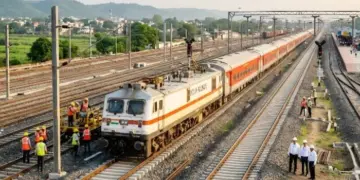
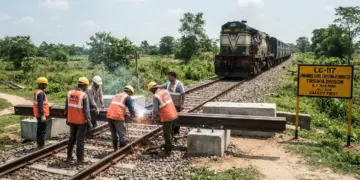
In the Lucknow division, the development of the Campierganj terminal is being executed in partnership with Kan Sailos Gorakhpur Private Limited. The project involves laying new rail lines to allow direct access for freight trains, which will significantly reduce the time and cost associated with unloading and distributing food grains. By modernizing these terminals, the Railways aims to decongest main lines, which will directly lead to improved passenger facilities and the potential for increased frequency of train services. These upgrades represent a strategic shift in how the Northeast Railway balances its growing freight demands with the need for better connectivity for local residents and traders.