Railway safety boost: Indian Railways to build 3-meter high boundary walls around city tracks
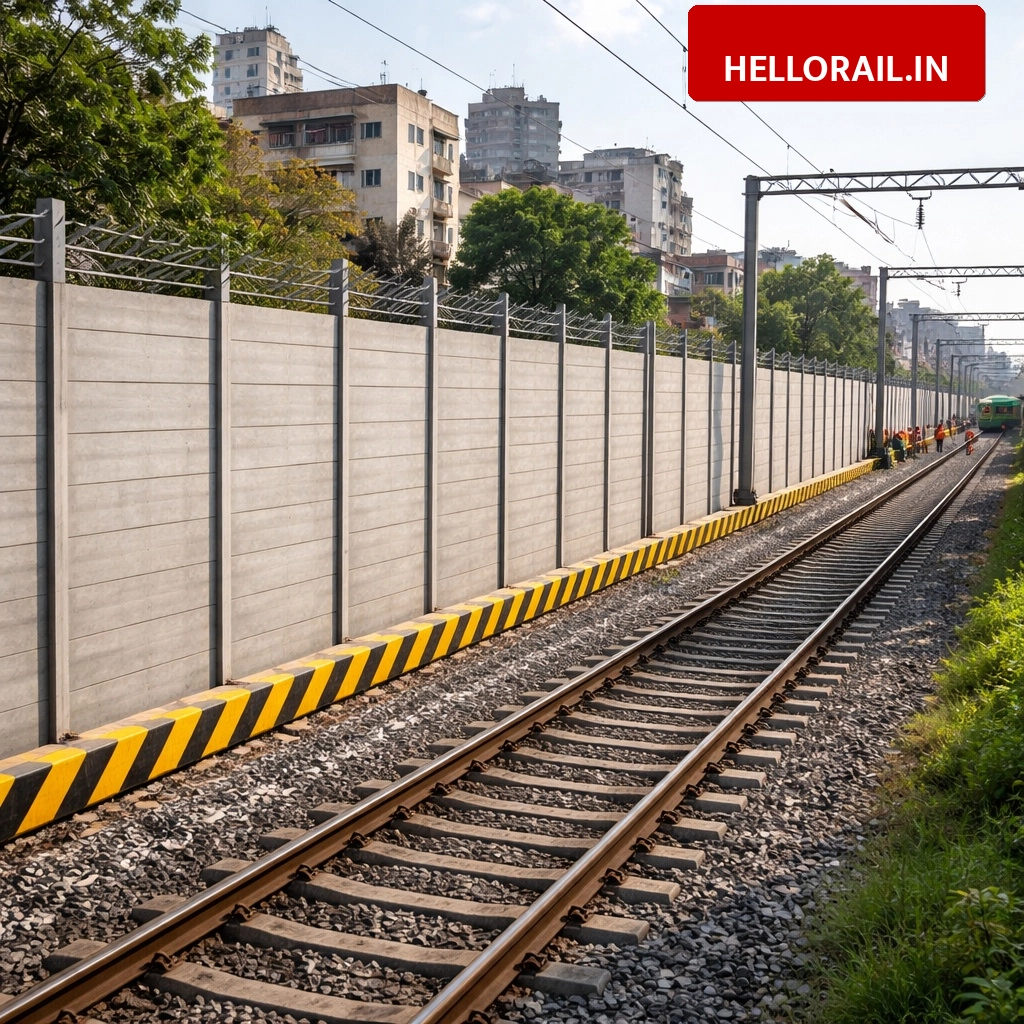
Indian Railways is working on a plan to secure open railway tracks passing through city areas. The management will construct boundary walls up to 3 meters high on both sides of the tracks. This move aims to stop unauthorized entry and improve the overall safety of train operations in urban zones.
Why is the railway building these boundary walls?
The main goal is to reduce accidents caused by cattle straying onto the tracks. These walls will also help in controlling human encroachment and prevent people from crossing tracks illegally. By securing the perimeter, the railways intend to increase train speeds and ensure safer travel for passengers.
What are the construction details and challenges?
For faster completion, the railways often use pre-fabricated concrete slabs. While standard walls are usually around 6 feet high, some specific projects will feature walls up to 3 meters. However, this initiative faces some local hurdles:
- Residents in areas like Kirari and Siddharnagar have protested due to the closure of traditional walking paths.
- In Khandwa, concerns were raised regarding the impact on existing service roads.
- Local villagers sometimes view these fences as barriers to their free movement.
Recent boundary wall projects across India
| Location | Detail | Status/Budget |
|---|---|---|
| Hisar (Haryana) | 2200 meter long modern wall | 2.19 Crore approved |
| Bilaspur (Chhattisgarh) | 2.5 km long, 6 feet high wall | 10 Crore budget |
| Prayagraj Division | Proposal for 700 km boundary | Sent to Ministry |