
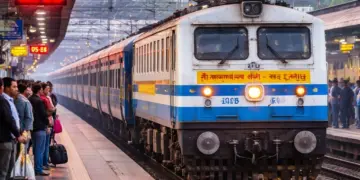


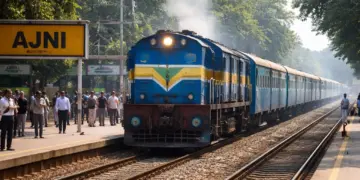



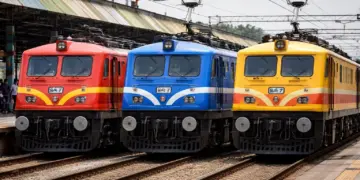














The Ministry of Railways has officially sanctioned the recruitment of 4,098 technical employees to be deployed across various railway zones nationwide. This strategic move is designed to address long-standing vacancies, thereby strengthening safety protocols and enhancing the overall operational capacity of the Indian Railways network. By filling these critical roles, the national transporter aims to ensure smoother services and more robust infrastructure maintenance.
- Total vacancies approved: 4,098 technical posts across 35 categories.
- Key roles include: Junior Engineer (Signal), Junior Engineer (Telecommunication), Depot Material Superintendent, and Chemical & Metallurgical Assistant.
- Major departments: Permanent Way (845 posts), Works (470 posts), and Carriage & Wagon (450 posts).
- Notification release: The Centralized Employment Notification (CEN) will be issued by RRB Bengaluru starting July 21, 2026.
Strengthening the Railway Workforce
The recruitment drive covers 35 distinct technical categories, reflecting the diverse expertise required to keep the railway system functioning at its peak. Within the technical umbrella, the Ministry has highlighted the importance of signaling and telecommunications, with 197 Junior Engineer (Signal) and 79 Junior Engineer (Telecommunication) positions being prioritized. These roles are essential for the safe movement of trains and the reliable signaling systems that govern railway traffic.
To ensure a transparent and data-driven approach, the Ministry utilized its internal Human Resource Management System (HRMS) to aggregate vacancy data from all railway zones. All departments have been strictly instructed to finalize their vacancy lists in accordance with established reservation policies for SC, ST, OBC, and EWS categories. This recruitment initiative serves as a significant supplement to the previously approved 6,565 technician posts, marking a massive push toward manpower augmentation.
Support from Railway Unions
The decision has been met with widespread support from key employee organizations, including the All India Railwaymen’s Federation (AIRF) and the Indian Railway Signal and Telecommunication Maintainers Union. Union representatives noted that this influx of new talent will drastically reduce the current workload on existing staff, mitigate fatigue-related risks, and ultimately lead to a marked improvement in passenger safety and service efficiency. With these positions set to be filled through the upcoming RRB Bengaluru process, the railway system prepares for a significant boost in operational readiness.