
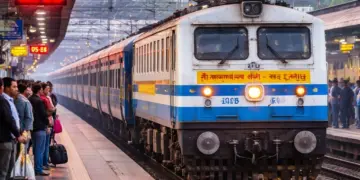




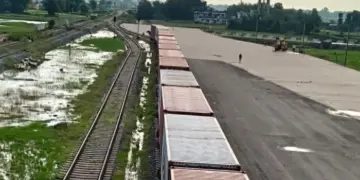




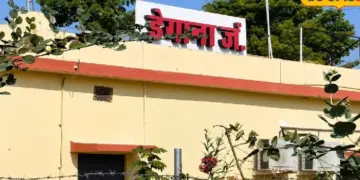





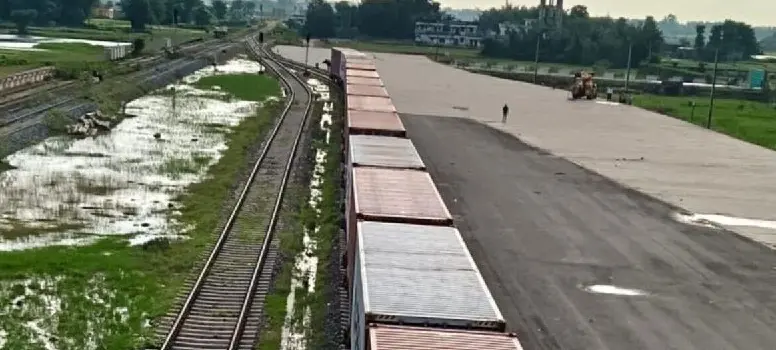

In a landmark development for regional connectivity, the first direct commercial freight train from India successfully reached the Biratnagar Custom Yard in Nepal on July 20, 2026. This historic milestone marks the first time in nearly 80 years since India’s independence that a direct cargo train has connected the two nations at this specific location, signaling a new era for bilateral trade and logistics.
- The inaugural freight train departed from Kolkata Port on July 17, 2026, carrying 40 forty-foot containers of canola grain.
- The service operates under a revised India-Nepal rail transit framework following a formal ‘Letter of Exchange’ signed on November 13, 2025.
- This new corridor is projected to reduce logistics costs for Nepali industries by 20-30%.
- Biratnagar is now the second customs point in Nepal, after Birgunj, to receive third-country rail cargo.
Strengthening Cross-Border Logistics
The inaugural service was made possible through the amendment of the India-Nepal Transit Treaty and updates to the Electronic Cargo Tracking System (ECTS) by India’s Central Board of Indirect Taxes and Customs. The transit time for the journey from Kolkata to Biratnagar is estimated at **approximately 24 hours**, providing a much faster alternative to traditional road transport. The train was officially flagged off by Nepal’s Consul General in Kolkata, Jhaka Prasad Acharya, highlighting the collaborative spirit of the project.
Strategic Importance of the Jogbani-Biratnagar Link
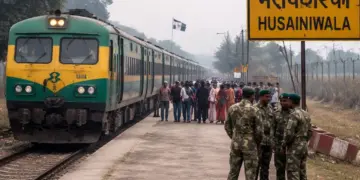
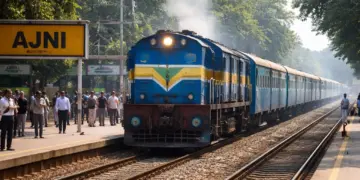
This cargo service utilizes the **Jogbani (India)-Biratnagar (Nepal) broad-gauge rail link**, which was jointly inaugurated by the leaders of both nations on June 1, 2023. Industry experts, including Nand Raj Rathi of the Murang Industrial Association, have lauded the move, noting that it will significantly benefit industrialists and importers in eastern Nepal. The Biratnagar Integrated Check Post (ICP) is now fully equipped to facilitate these regular cargo movements.
Future Outlook and Challenges
Moving forward, the rail link has the capacity to handle up to **45 forty-foot containers** per trip. Nepali importers are already evaluating the use of this route for essential commodities such as fertilizers and sponge iron. However, for the service to remain commercially viable in the long term, stakeholders are currently addressing concerns regarding high handling fees at the custom yard and the logistical challenge of managing empty return trains. Despite these initial hurdles, the introduction of this direct rail link stands as a major victory for regional economic integration and efficient supply chains.