

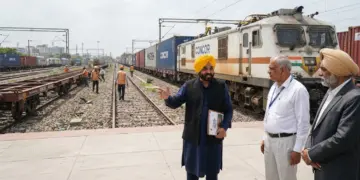




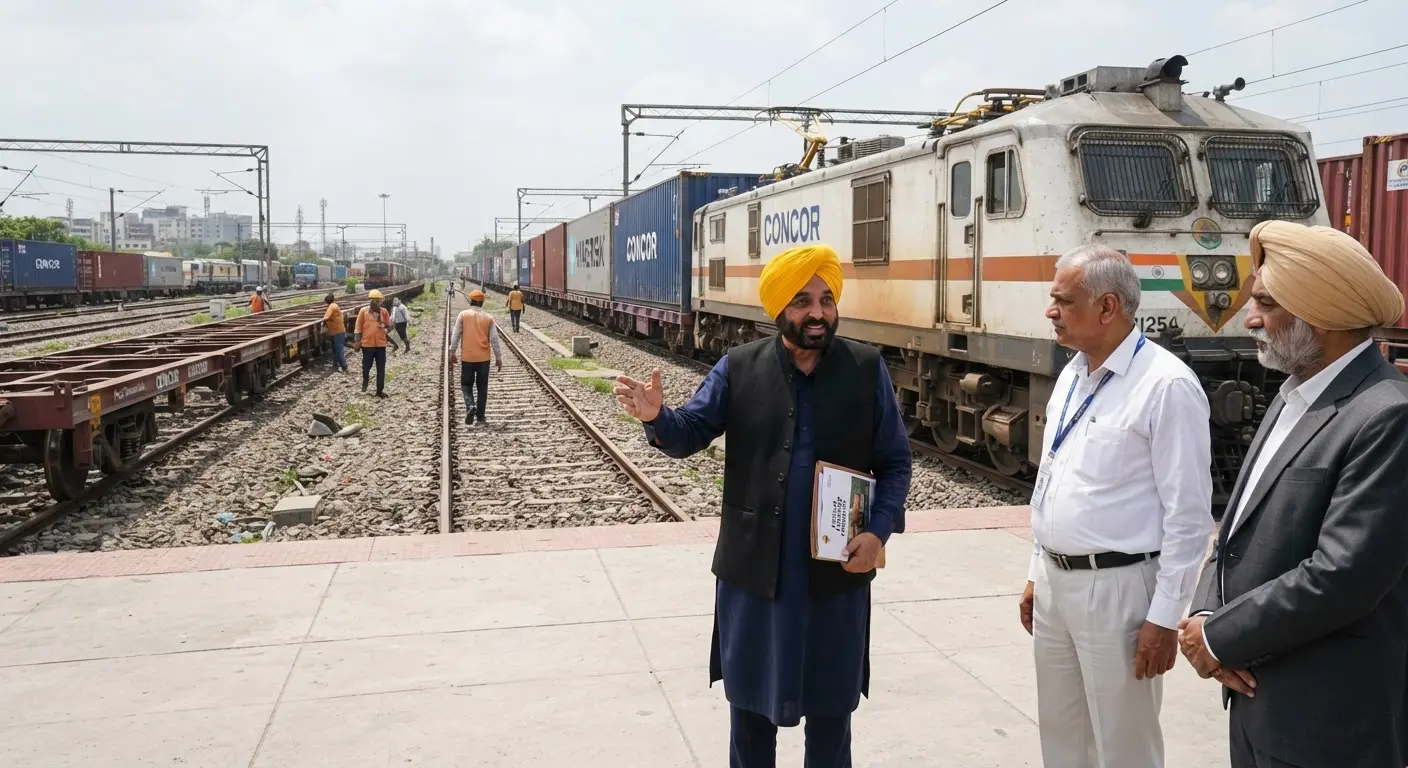

The Punjab government has announced a strategic initiative to lease freight trains directly from the Ministry of Railways to accelerate industrial development and streamline logistics across the state. Announced by Chief Minister Bhagwant Singh Mann on Thursday, July 23, 2026, this move is designed to provide businesses with a more reliable and cost-effective transportation network. By securing dedicated freight capacity, the state aims to enhance supply chain efficiency and attract new investment into its industrial sectors.
- Direct leasing of rack-equipped freight trains from Indian Railways.
- Implementation via a Public-Private Partnership (PPP) framework.
- Strategic connectivity between major hubs including Ludhiana, Jalandhar, Amritsar, Mandi Gobindgarh, Rajpura, and Bathinda.
- Primary focus on supporting Micro, Small, and Medium Enterprises (MSMEs) by lowering logistics costs.
- Goal to eliminate waiting lists for freight bookings and ensure timely delivery of goods.
Strengthening Industrial Connectivity
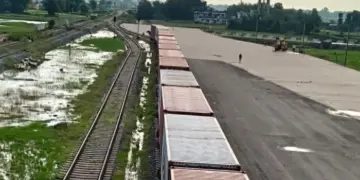
This initiative represents a significant push to modernize how goods are transported out of Punjab. Currently, many traders face delays due to high demand and long waiting lists for freight wagons. By leasing special rack-equipped trains, the state government intends to create a dedicated system that links industrial parks directly to major ports and commercial centers across India. This will not only make the movement of goods faster and cheaper but also provide the logistical stability that new investors look for before setting up large-scale operations.
Focus on MSMEs and Economic Efficiency
A core objective of this proposal is to provide relief to the state’s MSME sector. High transportation costs have often been a hurdle for smaller businesses, impacting their competitive edge in the national market. Through this collaboration with Indian Railways, the government expects to reduce logistical overheads significantly. By establishing a robust, state-led freight transport system, Punjab aims to transform its industrial landscape, ensuring that local manufacturers can reach nationwide markets with greater ease and predictability. This move is viewed as a vital step in bolstering the state’s economic efficiency and long-term industrial growth.