

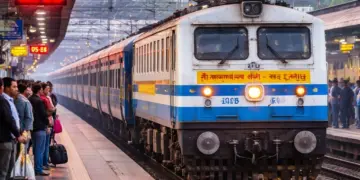

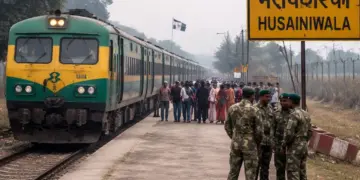
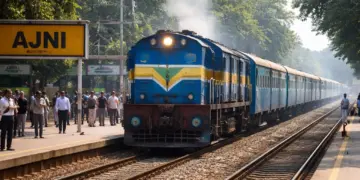

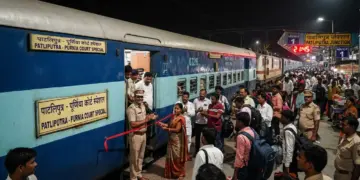


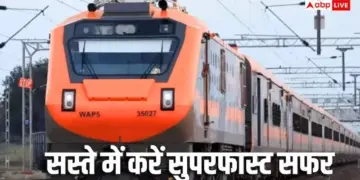
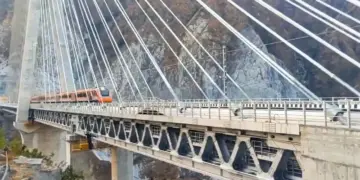
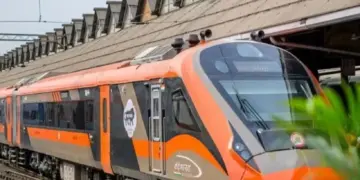
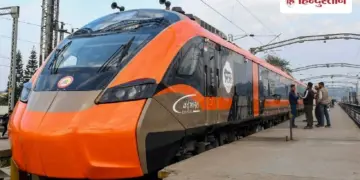
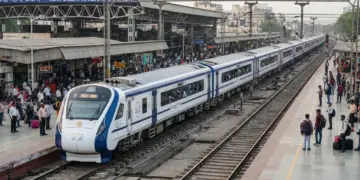

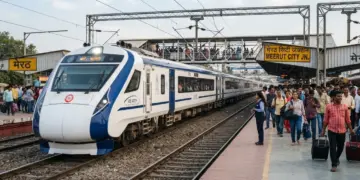


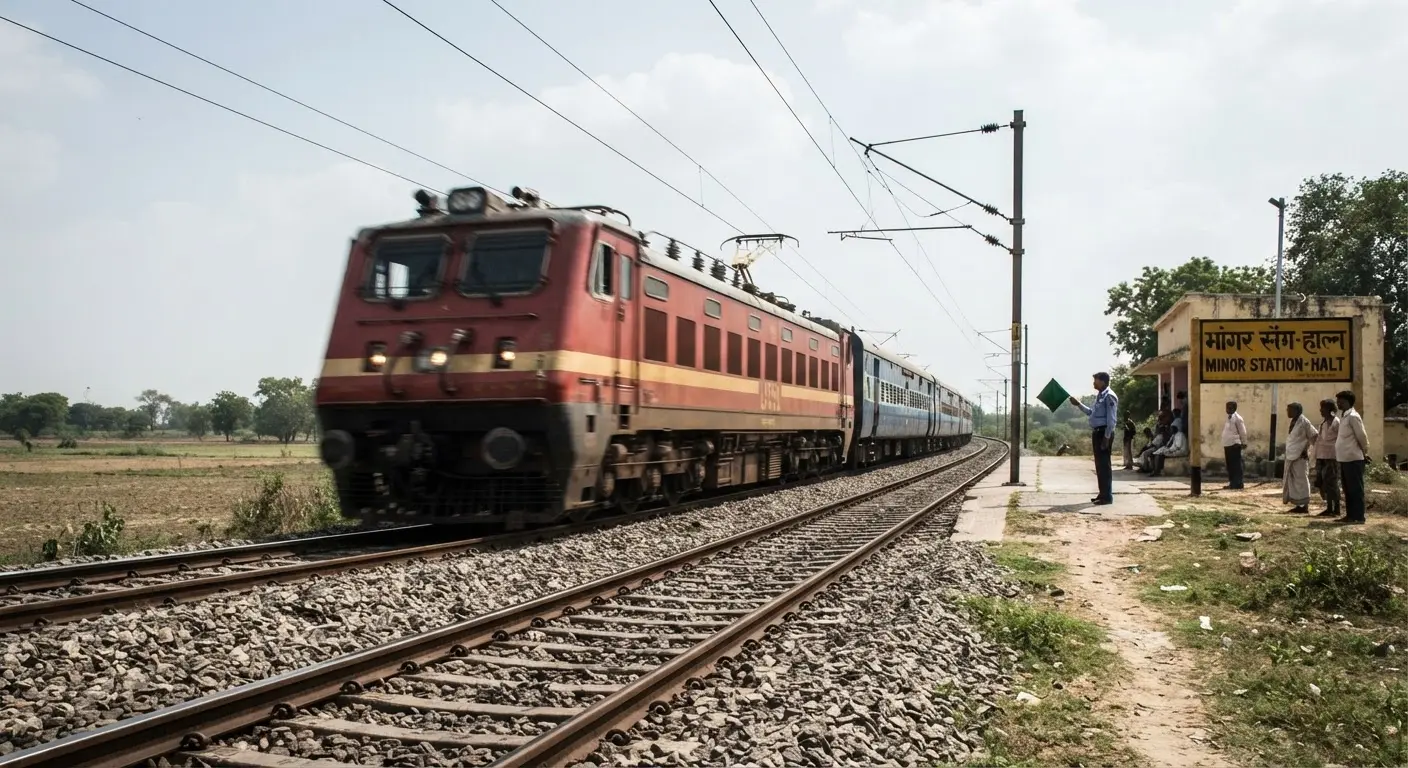

Indian Railways is set to streamline its long-distance network by phasing out over 300 underutilized experimental stoppages by October 2026. This strategic move aims to boost the punctuality and operational efficiency of premium trains, including Vande Bharat, Rajdhani, Shatabdi, and Duronto services. By removing stops that fail to meet commercial standards, the national transporter expects to reduce travel times for passengers while significantly cutting down on energy consumption.
- Target: Phasing out 300+ less-utilized experimental stoppages by October 2026.
- Criteria: Halts failing to meet the minimum threshold of 15 tickets sold per day.
- Efficiency: Each stoppage removal saves 5 to 7 minutes in travel time.
- Resource Savings: Expected savings of 300-350 units of electricity or 20-25 liters of diesel per stop.
- Overall Goal: Improving overall network punctuality and reducing journey durations by 15 to 45 minutes.
Data-Driven Decision Making
The Railway Board initiated this review after analyzing experimental halts approved between 2021 and 2025. Using data from the Integrated Coaching Management System (ICMS), officials identified stops that were commercially unviable. The decision to remove these halts is part of a broader “zero-commercial-stoppage framework” designed to optimize the movement of high-speed train sets across the country.
Impact on Operations and Environment
According to the Research Designs and Standards Organisation (RDSO), the process of decelerating, stopping, and re-accelerating a premium train traveling at 130 km/h is a major drain on resources. Beyond the loss of 5 to 7 minutes per stop, these halts contribute to unnecessary fuel and electricity wastage. By eliminating these bottlenecks, the Railways not only aims to provide faster transit for long-distance commuters but also looks to improve the overall environmental footprint of the network.
As the rollout continues toward the 2026 deadline, passengers can expect faster transit times on major routes. This initiative marks a significant step in prioritizing the efficiency of premium services to better serve the growing demand for rapid rail travel across India.