
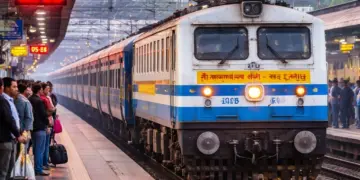


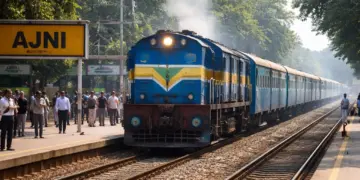



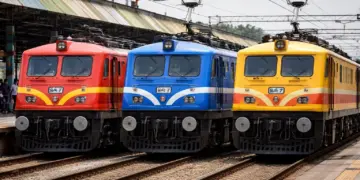

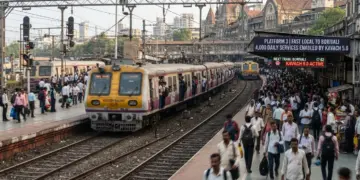


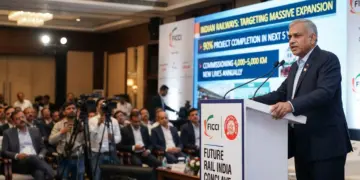



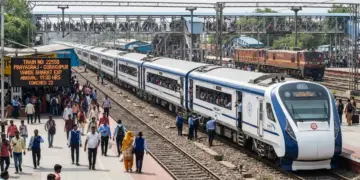
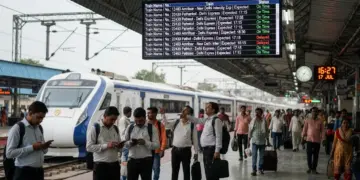
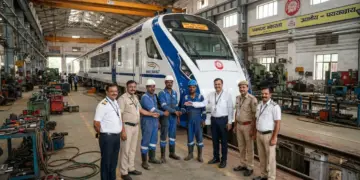



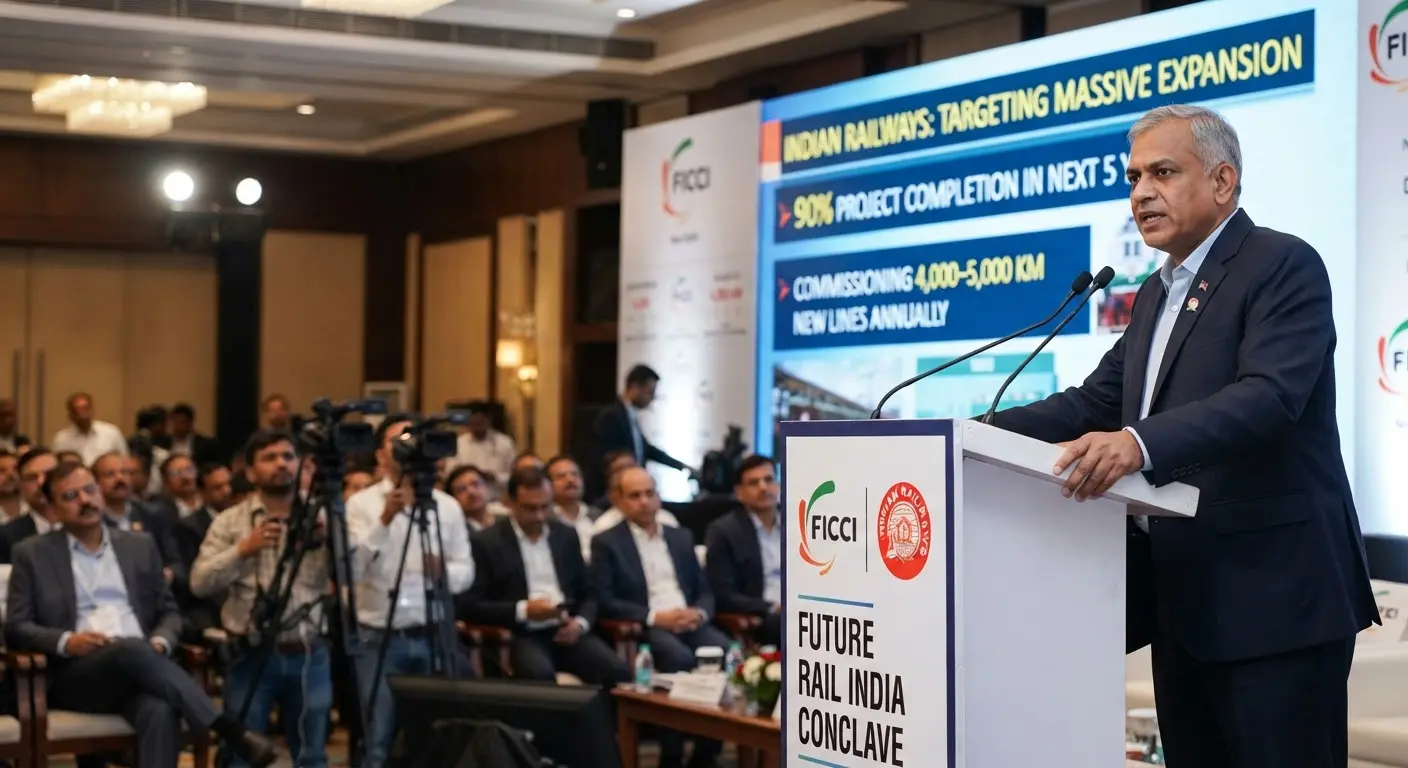

Indian Railways has unveiled an ambitious roadmap to transform its network, aiming to complete over 90% of its sanctioned projects within the next five years. This strategic push seeks to address the growing demand for freight and passenger services by commissioning 4,000 to 5,000 km of new railway lines annually. The plan was detailed by Rajesh Agarwal, Additional Member of the Railway Board, during the FICCI Future Rail India Conclave held on July 23, 2026.
Key highlights of the expansion plan include:
• A target to complete over 90% of sanctioned projects in five years.
• Annual commissioning of 4,000–5,000 km of new railway tracks.
• Addressing the 8,000 million tonnes freight demand projected for 2030.
• Adoption of early-stage land acquisition and utility shifting to speed up construction.
• Expansion of private sector collaboration for technology and terminal development.
Infrastructure Overhaul and Capacity Building
Currently, the national transporter is managing **514 sanctioned projects spanning nearly 40,000 km**, which include new lines, doubling, and third or fourth line expansions. With existing corridors operating at **150% to 180% of their designed capacity**, this infrastructure development is essential. To date, 13,000 km of these projects have been commissioned, while 27,000 km remain under construction.
To ensure these targets are met, the Railway Board is streamlining project cycles by initiating land acquisition and statutory clearances much earlier. Private sector involvement is also gaining momentum, with **137 out of 360 multimodal terminals** already developed through private investment, worth approximately **₹8,000 crore**.
Strategic Approvals and Future Projects
Recent approvals demonstrate the rapid pace of this development. The South Eastern Railway has been granted approval for a **14.52-km third line between Nimpura West Outer Cabin and Midnapur**, costing **₹440 crore**, which will boost freight capacity by **3.52 million tonnes per annum**. Other notable developments include a **21.10-km doubling project in Kerala** to accommodate nine additional passenger trains daily and **145 km of multi-tracking projects in Odisha and Jharkhand worth ₹3,907 crore**.
Looking toward the future, Indian Railways is planning **seven new high-speed rail corridors** covering nearly 4,000 km, with an estimated investment of **₹16 lakh crore**. Furthermore, the Ministry is moving toward structural reforms, such as transitioning from ‘open wagons’ to ‘closed containers’ to improve logistics efficiency and reduce environmental impact.