
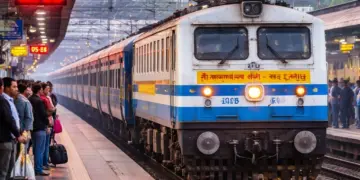


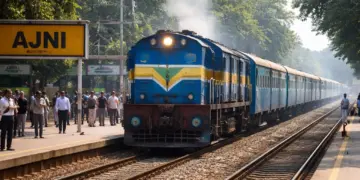









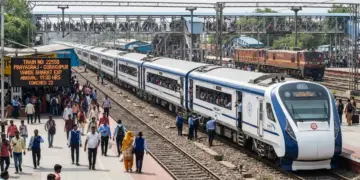
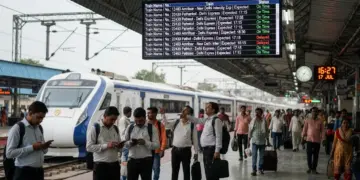



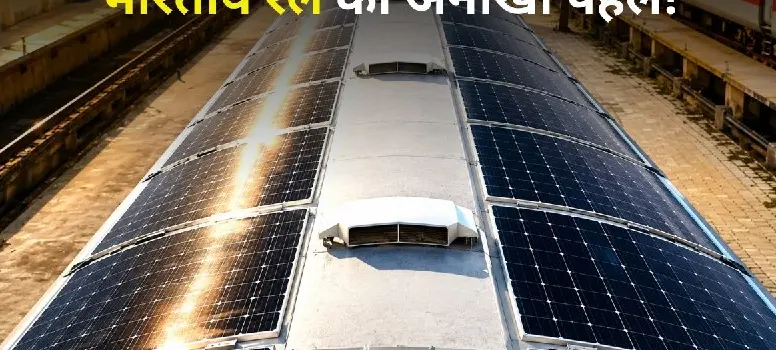

Indian Railways has taken a significant step toward greener travel with the introduction of a new solar-assisted passenger coach under the North Central Railway (NCR) zone. Successfully launched on July 14, 2026, and tested between July 20-21, 2026, this pilot project utilizes roof-mounted high-efficiency solar photovoltaic panels to power onboard amenities. The initiative aims to reduce the national transporter’s carbon footprint while optimizing operational costs through renewable energy.
- The solar system generates approximately 13,400 units (kWh) of clean electricity per coach annually.
- The project estimates annual savings of ₹2.80 lakh for the railway network.
- Each coach is expected to reduce carbon dioxide emissions by about 11 tons every year.
- The system features 6.93 kilowatt peak (kWp) solar panels connected to an onboard battery bank.
How the Solar System Works
The innovative setup captures solar energy to power essential passenger utilities, including lights, fans, and mobile charging points. By relying on this solar-assisted technology, the railway reduces its dependence on traditional axle-driven alternators. Unlike the old system, which only generates power when the train is in motion and faces significant energy conversion losses, this new method ensures a consistent power supply. Officials believe this transition will not only extend battery life but also lower maintenance requirements, leading to a more reliable experience for passengers.
Future Expansion Plans
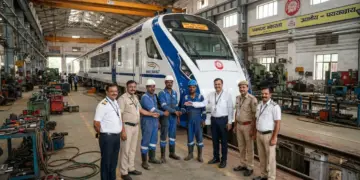
Conceived by NCR General Manager Naresh Pal Singh, the project was executed by utilizing internal resources under the guidance of Chief Engineer Pulkit Srivastava. Chief Public Relations Officer Dr. Shivam Sharma emphasized that this initiative is a cornerstone of the railway’s long-term sustainability strategy.
Currently, the technology is being evaluated on an ICF non-AC passenger coach. Following a one-month monitoring period, Indian Railways plans to scale up production. The Jhansi workshop is already prepped to manufacture two solar-equipped coaches per month, with initial deployment planned for general and sleeper class compartments across the network.