
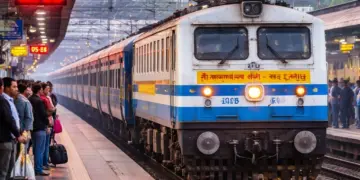




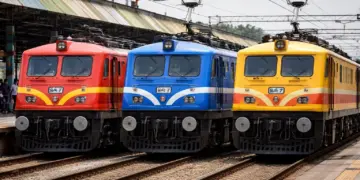




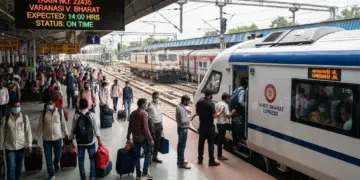

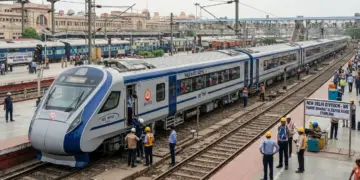

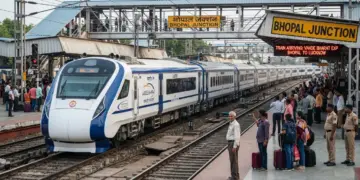
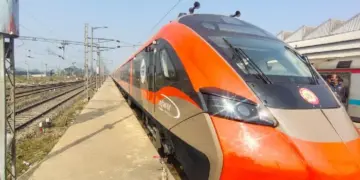
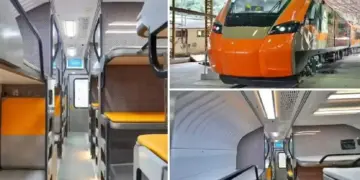
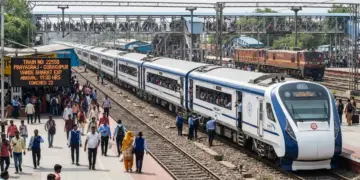
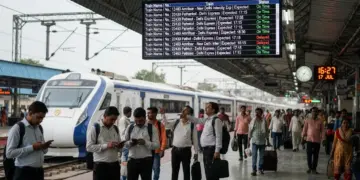
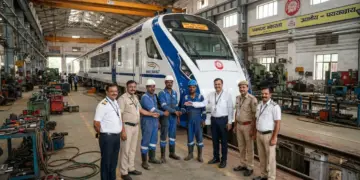



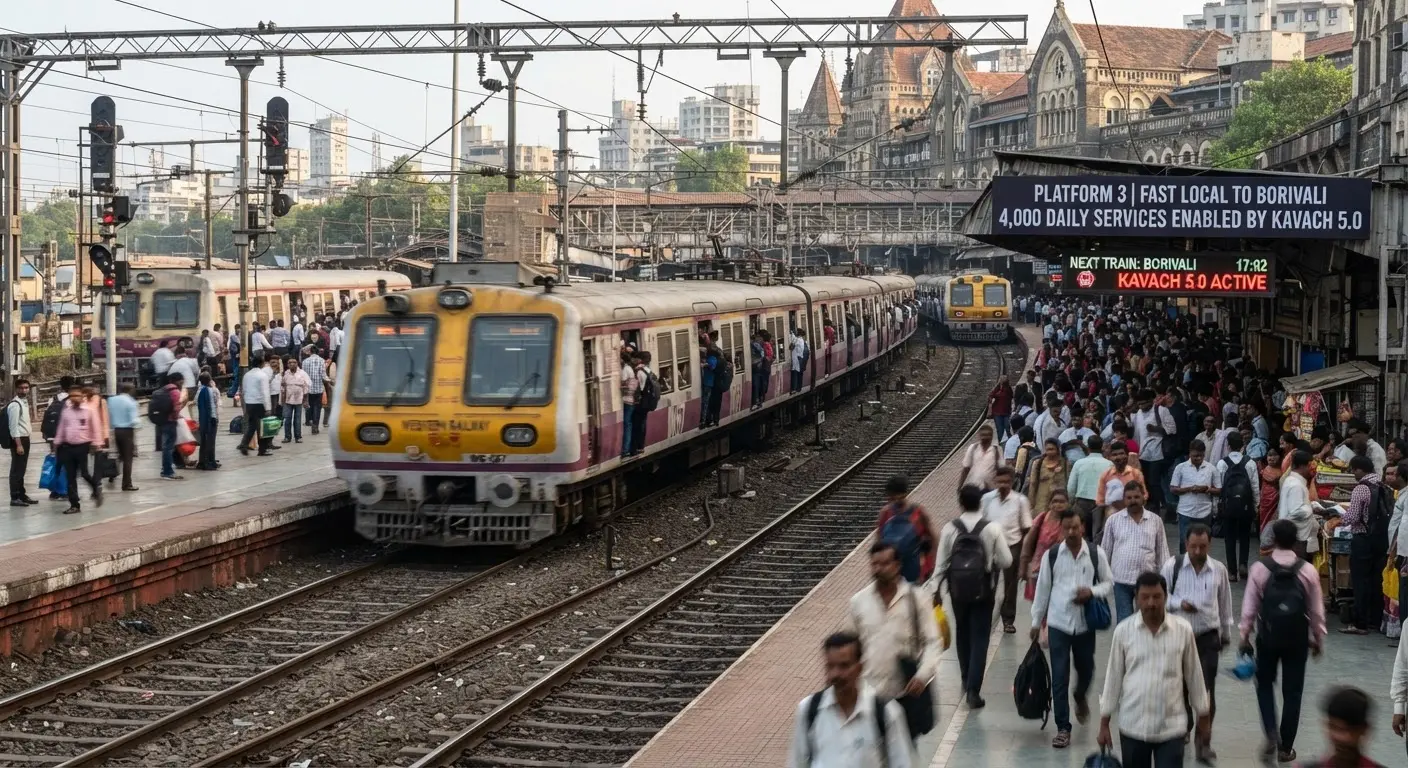

Mumbai’s suburban railway network is gearing up for a major technological transformation as the advanced ‘Kavach 5.0’ signaling system prepares for implementation. This upgrade is designed to streamline operations across the city’s lifeline, aiming to reduce intervals between trains and significantly boost the total number of daily services. Following announcements made in July 2026, the project marks a critical shift toward modernizing the high-density corridors of Central and Western Railways.
- Kavach 5.0 will enable train frequencies to drop from the current 180 seconds to a target of 120 seconds.
- The initiative aims to increase total daily suburban services to 4,000.
- The system is specifically engineered to prevent collisions, overspeeding, and signal violations.
- Central Railway has already expanded capacity by upgrading 10 services to 15-car rakes as of July 20, 2026.
Revolutionizing Suburban Signaling
Railway Minister Ashwini Vaishnaw first introduced the concept of Kavach 5.0 in April 2025, with the Research Designs and Standards Organisation (RDSO) tasked with finalizing the technical framework. Unlike traditional systems, Kavach 5.0 is a cab-based signaling system that projects vital signal information directly onto the driver’s console. By reducing reliance on trackside signals, the system allows for real-time movement authority, which is expected to facilitate a 30% to 50% increase in train frequency. While the initial goal is to reach a 150-second interval, the ultimate objective is to achieve a 120-second (two-minute) gap between trains.
Addressing Overcrowding and Capacity
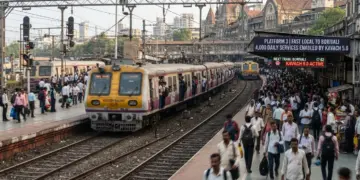
The suburban network currently handles between 6.5 to 6.8 million passengers daily, pushing existing infrastructure to its absolute limit. With Central and Western Railways currently operating 3,254 daily services, the shift to Kavach 5.0 is essential to accommodate the growing commuter base.
Beyond signaling upgrades, authorities are taking immediate steps to manage passenger load. As of July 20, 2026, Central Railway successfully converted 10 existing 12-car services into 15-car rakes. This move has boosted passenger capacity by approximately 25% on those specific routes, bringing the total count of 15-car services across the network to 32. With the development of Kavach 5.0 projected to reach completion by December 2025, Mumbai commuters can look forward to a more efficient, safer, and frequent travel experience in the near future.