


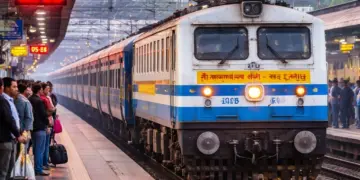


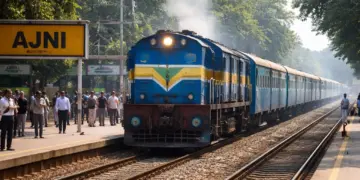


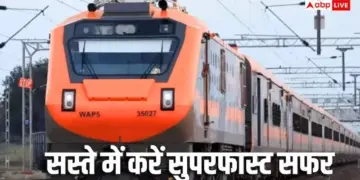
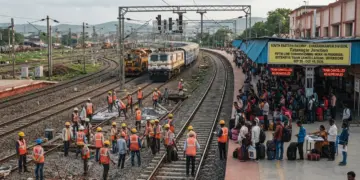
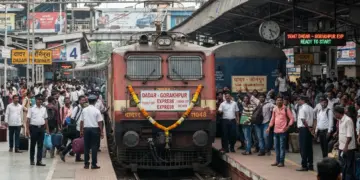

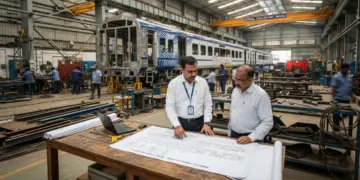


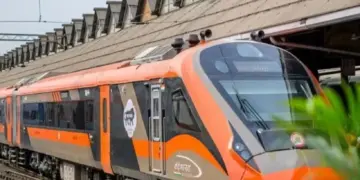
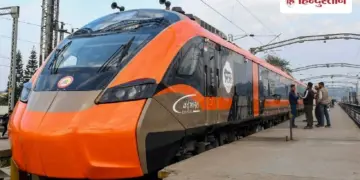
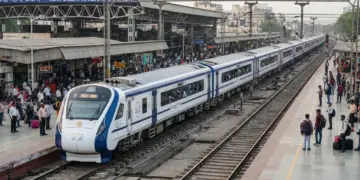

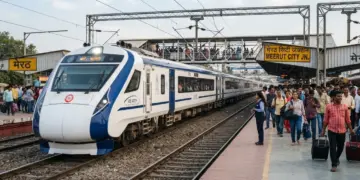


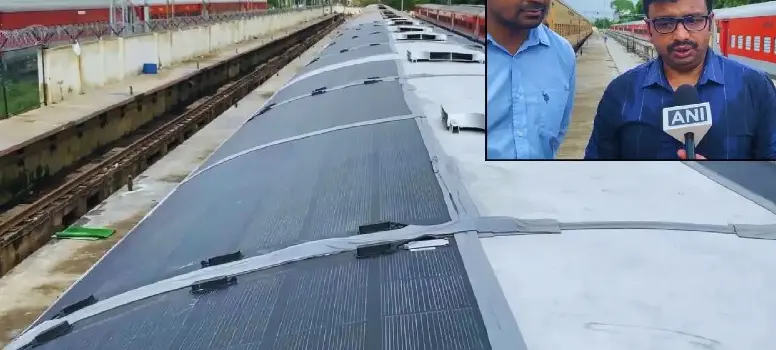

The North Central Railway (NCR) has achieved a significant milestone in sustainable transportation by launching its first solar-assisted passenger coach in Prayagraj. This initiative integrates advanced rooftop solar technology to power onboard amenities, marking a shift toward greener railway operations. Key highlights of this project include:
- Installation of high-efficiency 7 kWp rooftop solar photovoltaic panels on the coach.
- Direct power supply for lights, fans, and mobile charging points.
- Reduction in reliance on traditional axle-driven alternators, leading to extended battery life.
- Potential to save 90,000 liters of diesel and reduce CO2 emissions by 200 tonnes annually per train.
- Cost-effective implementation with an estimated return on investment within 4 to 5 years.
Sustainable Innovation in Rail Travel
According to Shivam Sharma, the Chief Public Relations Officer of NCR, this solar-assisted system is a game-changer for passenger comfort and operational efficiency. By harnessing sunlight directly, the railway reduces the load on the coach’s battery bank, ensuring a more consistent and dependable electrical supply for passengers. This move not only modernizes the fleet but also slashes maintenance requirements significantly.
Financial and Environmental Impact
Data from the pilot project highlights the economic viability of this transition. While the cost to fit solar panels on a non-AC coach stands at approximately ₹3.90 lakh, the annual power savings are estimated at ₹1.24 lakh. Previous reports indicate that these solar setups can generate roughly 17 units (kWh) of power per day, primarily catering to lighting loads.
Future Roadmap for Green Railways
NCR General Manager Naresh Pal Singh has been closely monitoring this project, reinforcing the railway’s commitment to environmental sustainability. This pilot serves as a building block for Indian Railways’ ambitious national goal. The organization is working toward generating 1,000 MW of solar power within the next five years, with long-term plans to scale this capacity to 5,000 MW by 2025. Through these efforts, the Indian Railways continues to lead the way in adopting innovative, eco-friendly technologies to lower its carbon footprint while improving the overall passenger experience.