





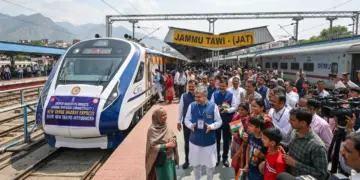
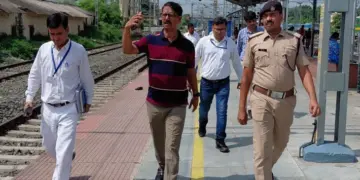
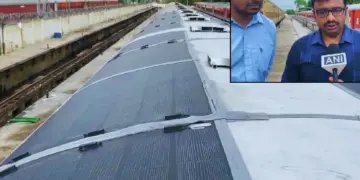
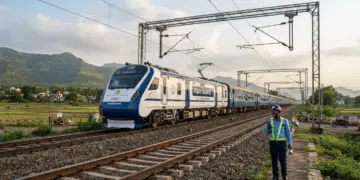
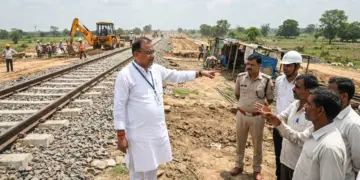


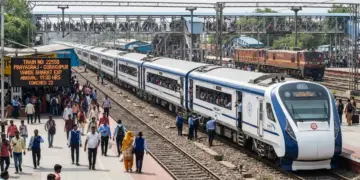
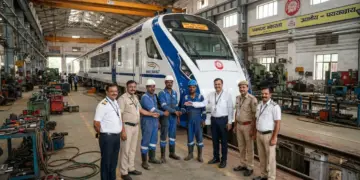



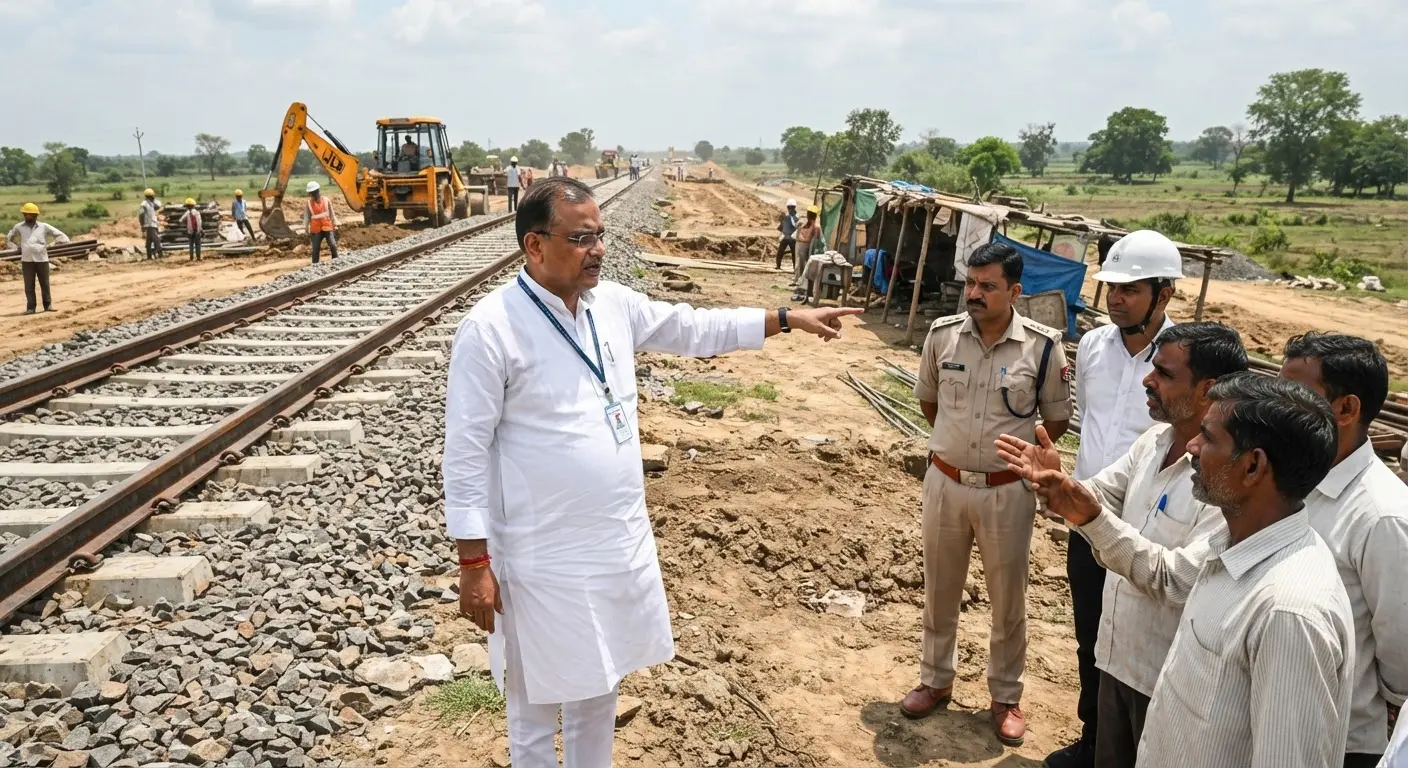

The ambitious Rewa-Singrauli railway project has received a fresh push to ensure its timely completion. On July 24, 2026, Rewa Divisional Commissioner Shailendra Singh issued strict directives to expedite the construction process by resolving long-standing logistical and legal challenges. Key focus areas include the removal of illegal encroachments on acquired land, the swift disbursement of pending compensation to affected families, and the urgent relocation of electrical transmission lines that are currently obstructing progress.
- The Rewa-Singrauli line is a vital segment of the 541 km Lalitpur-Satna-Rewa-Singrauli new line project.
- The project has an estimated cost of ₹8914 crore, with ₹5252 crore already spent by March 2025.
- The financial year 2025-26 has been allocated an outlay of ₹1713 crore to fast-track remaining works.
- Out of the 541 km total length, 301 km has already been commissioned.
- In the 87 km Rewa-Sidhi section, 42 km is already operational up to Rampur Naikin.
Progress and Infrastructure Milestones
Infrastructure development in the Rewa-Sidhi section is nearing completion. Authorities have successfully finished 13 out of 16 major bridges, all 43 Road Under Bridges (RUBs), all 4 tunnels, and all 6 station buildings. With these critical structures in place, the Indian Railways aims to extend train services to Sidhi by the end of 2026.
Addressing Compensation and Encroachment Challenges
Despite land acquisition for the Rewa-Sidhi section being declared complete by March 2026, the project continues to face hurdles. Commissioner Shailendra Singh highlighted that illegal settlements on acquired land remain a primary concern, with some structures allegedly erected solely to claim inflated compensation.
Financial grievances also persist. While affected families receive a lump sum of ₹5 Lakhs, the distribution process has been plagued by delays. Furthermore, the project has faced legal scrutiny, including a July 2025 High Court notice concerning petitions for employment. The Railway administration has maintained its stance, citing 2019 guidelines that have discontinued the policy of providing direct jobs to land losers, leading to ongoing disputes that the administration is now working to resolve to prevent further project delays.