
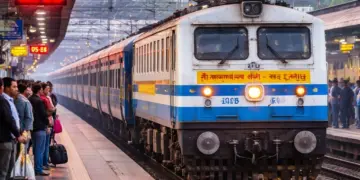
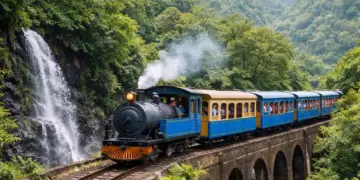
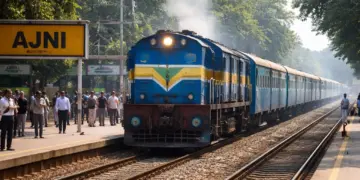


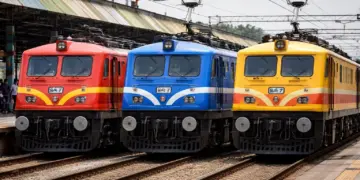

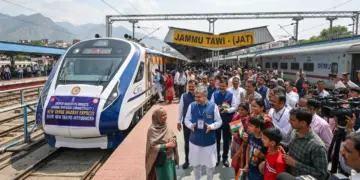
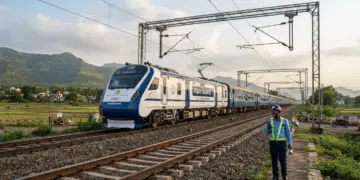



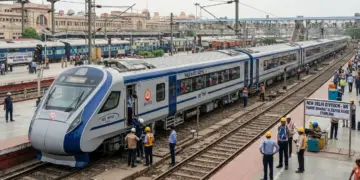

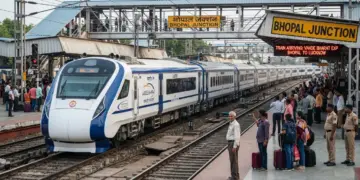
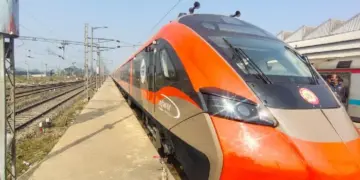
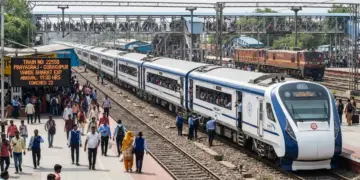
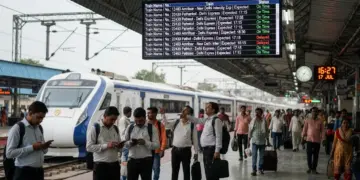
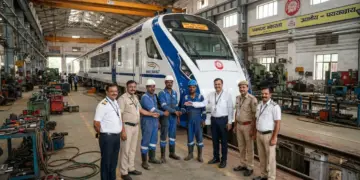



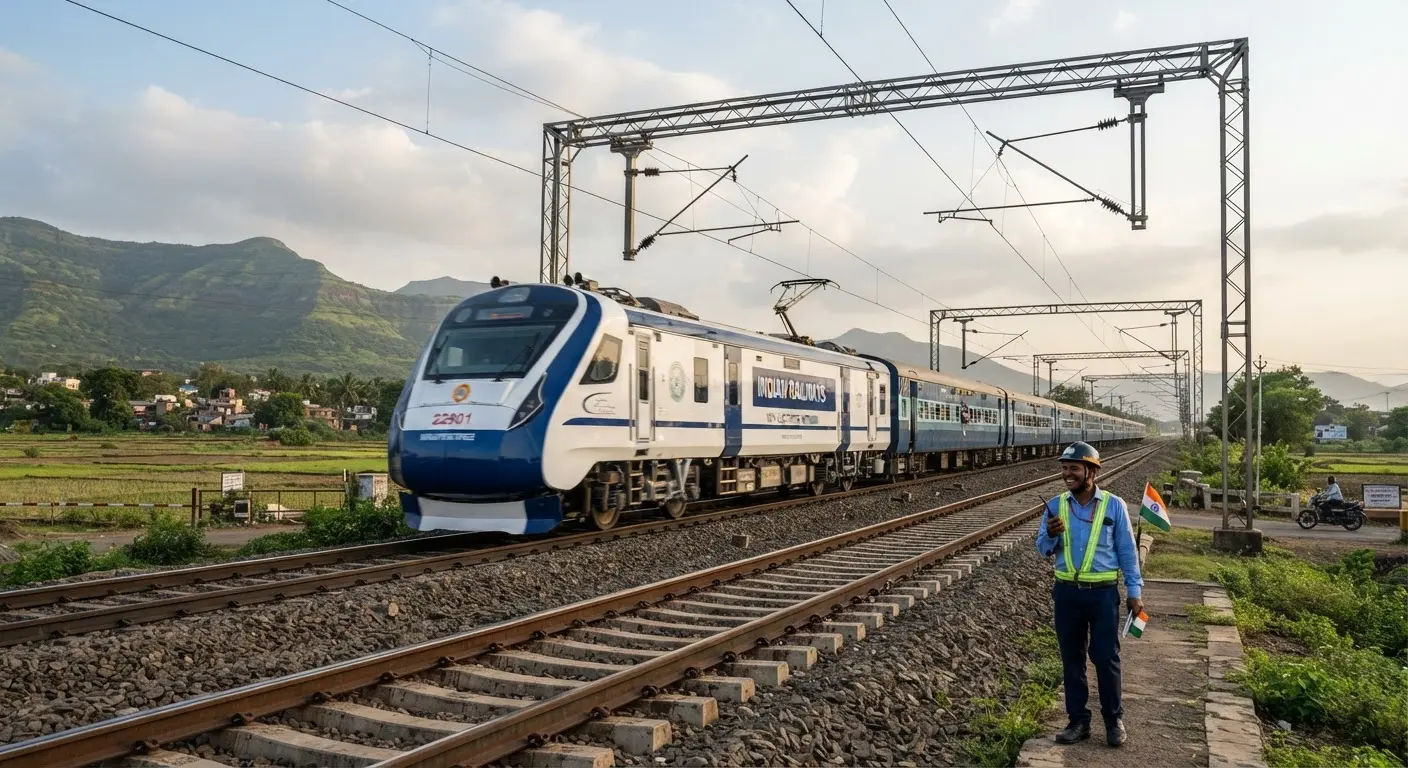

Indian Railways has reached a monumental milestone in its infrastructure journey, achieving 99.6% electrification of its Broad Gauge (BG) network as of July 22, 2026. This achievement solidifies the national transporter’s position as the second most electrified major railway system in the world, trailing only Switzerland. Union Minister for Railways, Mr. Ashwini Vaishnaw, confirmed this progress in a recent Lok Sabha address, marking it as one of the swiftest electrification programs globally.
- 15 railway zones, including Konkan Railway and Kolkata Metro, have achieved 100% electrification.
- Since 2014, 48,072 route kilometers have been electrified, compared to 21,801 km in the previous 60 years.
- Diesel consumption for operations dropped from 293 crore litres in FY16 to 108 crore litres in FY25.
- The railway has commissioned over 1,260 MW of renewable energy capacity.
A New Era of Green Rail Travel
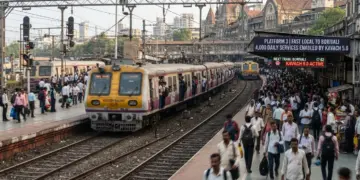
The shift to electric traction is not just about numbers; it is about transforming the passenger experience and operational efficiency. By transitioning away from diesel, the railways have significantly improved haulage capacity and increased train speeds, leading to shorter travel times for passengers across the country. To ensure this momentum continues, Indian Railways has mandated that all new railway line and multi-tracking projects are now sanctioned with integrated electrification infrastructure from the start.
Environmental Impact and Sustainability
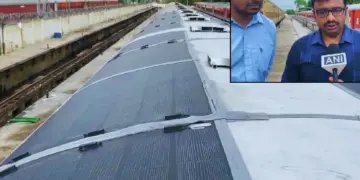
The environmental benefits of this transition are substantial. By saving approximately 185 crore litres of fuel, the railways are playing a pivotal role in India’s green energy goals. The organization is aggressively pursuing renewable energy, having already installed 1,161 MW of solar power and 103 MW of wind power. This commitment is vital for reducing the carbon footprint of the nation’s logistics chain. According to data from NITI Aayog, rail transport is significantly more sustainable than road haulage, emitting only 11.5 grams of carbon dioxide per tonne-kilometre, which is 89% lower than road transport. As Indian Railways nears the final stages of full electrification, it continues to set a global benchmark for sustainable and efficient mass transit.