






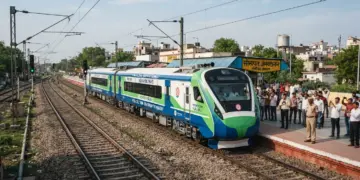







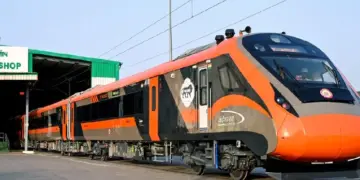
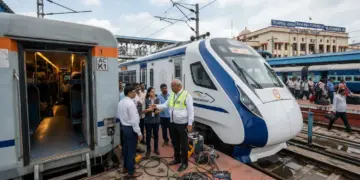
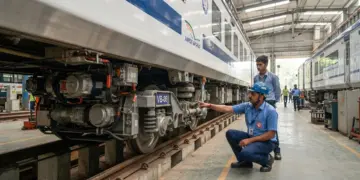
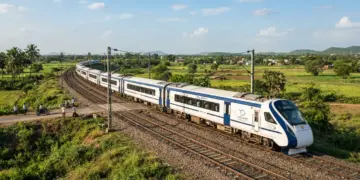
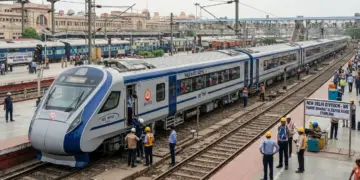
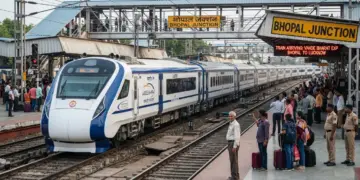
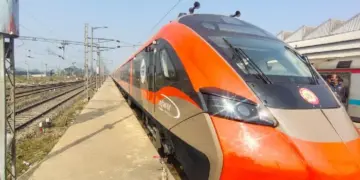



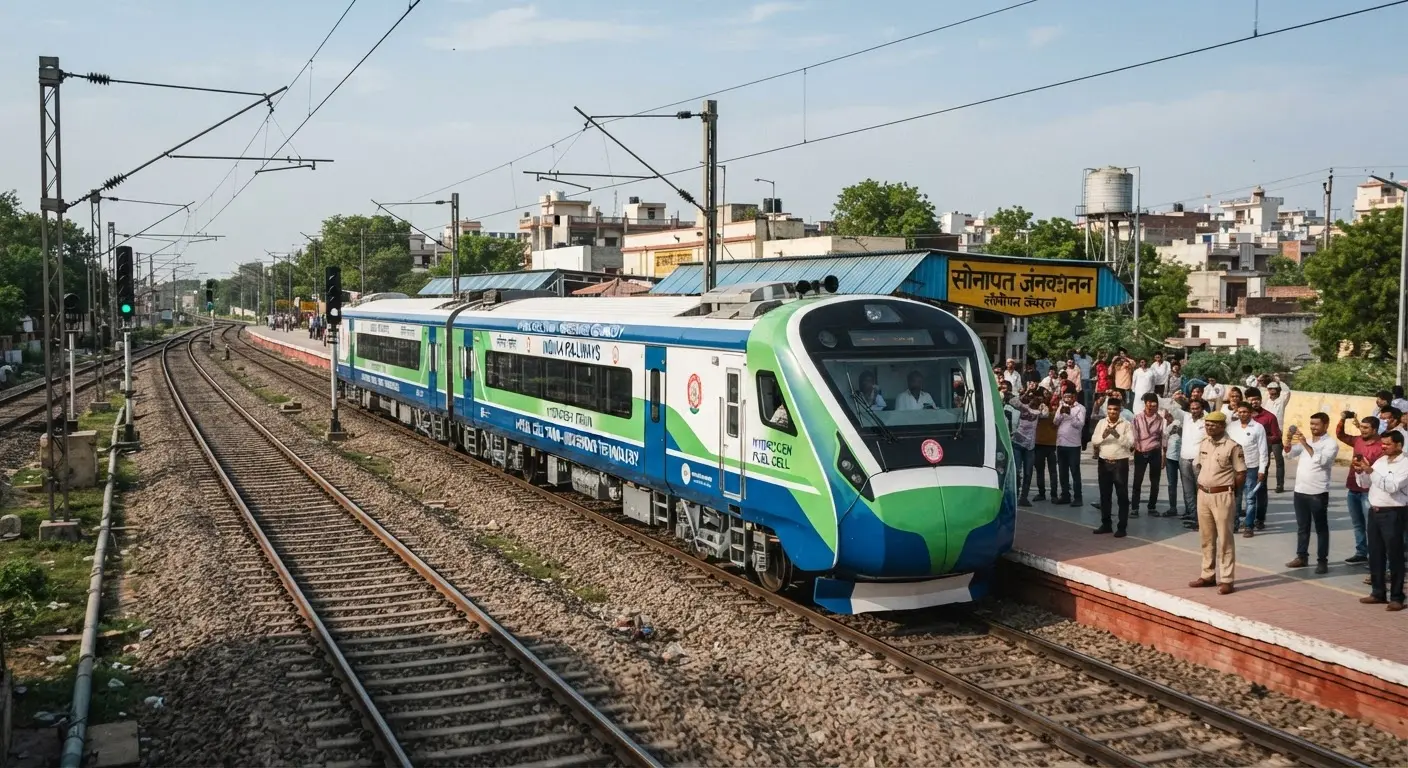

India’s pursuit of green mobility is gaining momentum as the country’s first indigenous hydrogen-powered train prepares for its next phase of testing on the Delhi route. Following a successful debut on the Jind-Sonipat corridor, the train will now undergo rigorous technical assessment between Sonipat and Sabzi Mandi stations. This project, which falls under the ‘Atmanirbhar Bharat’ initiative, is a cornerstone of Indian Railways’ ambitious target to achieve net-zero carbon emissions by 2030.
- Successful track record: Covered over 1,200 kilometers on the Jind-Sonipat route since July 17, 2026.
- Environmental impact: Initial trials resulted in a saving of over 3,200 litres of diesel.
- Full-load testing: The train will be loaded with sandbags simulating 2,600 passengers to test performance.
- Advanced safety: Equipped with multi-layer systems for hydrogen leak detection, heat, flame, and smoke monitoring.
Testing Performance and Safety
During the upcoming trials, the 10-coach train will operate under simulated full-load conditions to ensure it meets all technical parameters. Allocated to the Delhi Division of Northern Railway, the train is designed for a permissible speed of 75 kmph. To ensure passenger safety, the rake includes sophisticated automatic shut-off mechanisms that activate if any anomalies in the fuel-cell technology are detected. During this testing phase, the train’s regular service on the Jind-Sonipat route will be temporarily suspended for four to five days, with the Delhi trials expected to follow a similar timeline.
The Future of Hydrogen Rail
Launched by Prime Minister Narendra Modi on July 17, 2026, the hydrogen train project has been highlighted by Railways Minister Ashwini Vaishnaw as a major milestone for indigenous propulsion technology. By utilizing fuel-cell technology that emits only water vapor, the project is set to revolutionize travel on sensitive ecological zones. If the Sonipat-Sabzi Mandi trials are successful, Indian Railways intends to extend these operations to the New Delhi Railway Station. This is part of the larger ‘Hydrogen for Heritage’ initiative, which aims to deploy 35 hydrogen-powered trains across various heritage and hill routes in India, marking a new era of sustainable rail travel.