
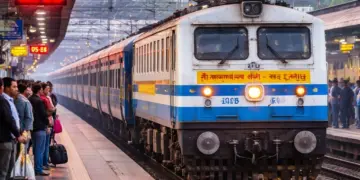

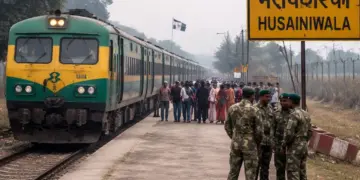
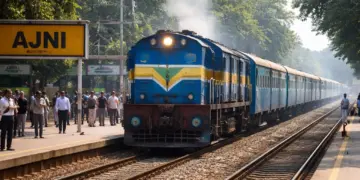






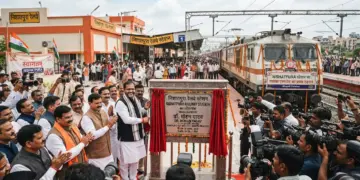




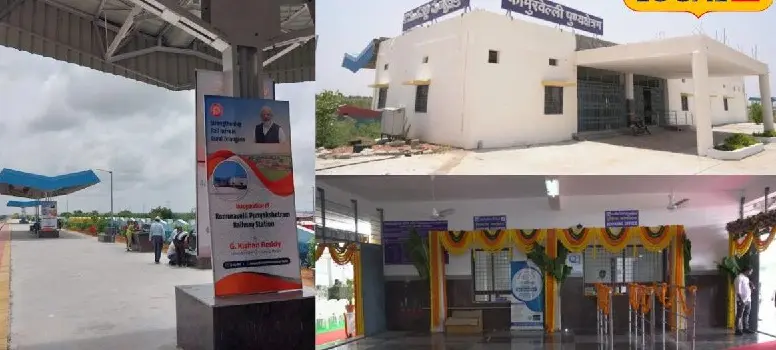

The Indian Railways has officially expanded its footprint in Telangana with the inauguration of the Komuravelli Punyakshetram Railway Station on July 26, 2026. Located in the Siddipet district, this new station serves as a vital transit point for the famous Komuravelli Mallanna Temple. The project is part of the larger Manoharabad-Kothapalli new railway line initiative and is set to transform travel for pilgrims and local residents alike.
Key highlights of the new station include:
- Total project cost: Approximately ₹6 crore.
- Route: Situated on the Manoharabad-Siddipet rail line.
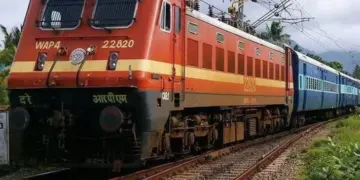
- Services: New DEMU train connectivity between Siddipet and Secunderabad.
- Travel Fares: Affordable pricing ranging from ₹10 to ₹25.
- Beneficiaries: Devotees, students, and professionals from Secunderabad, Siddipet, Hyderabad, and Jangaon districts.
Modern Infrastructure and Connectivity
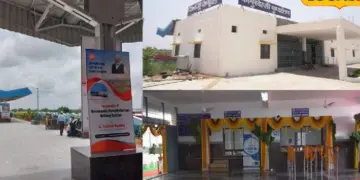
The station was inaugurated by the Union Minister for Coal and Mines, G. Kishan Reddy, who noted that the facility will play a critical role in boosting religious tourism and local economic growth. The South Central Railway (SCR) has ensured the station is fully modernized, featuring a new station building, comfortable waiting rooms, and sturdy platform shelters. Furthermore, the authorities have prioritized inclusivity by incorporating specialized facilities for passengers with disabilities.
Strategic Focus on Railway Expansion
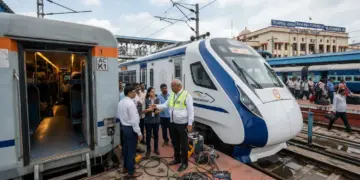
During the inauguration ceremony, a new DEMU train was flagged off, marking the commencement of regular services. Union Minister of State for Home Affairs, Bandi Sanjay Kumar, highlighted the central government’s dedication to the state’s rail network. He pointed out that the Railway Budget for 2026-27 includes an allocation of ₹5,454 crore for Telangana, representing a significant 20-fold increase compared to the 2014-15 fiscal year.
To ensure the long-term success of the route, the Railway Department has established a special committee consisting of officials from three railway divisions. This team is tasked with monitoring passenger traffic patterns and planning future enhancements to both train frequencies and station amenities, ensuring that the infrastructure keeps pace with the growing number of commuters and pilgrims visiting the region.