






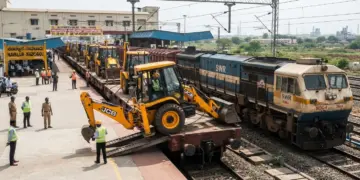
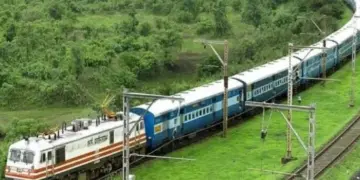

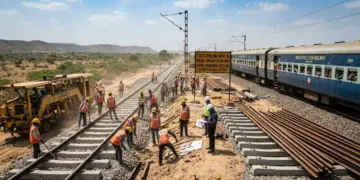

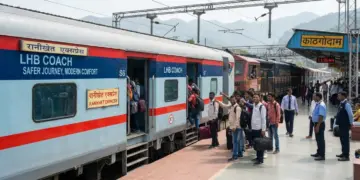
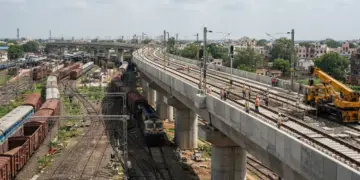
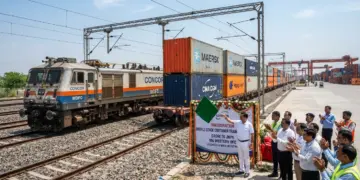
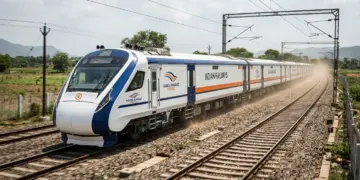

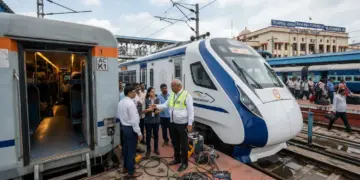
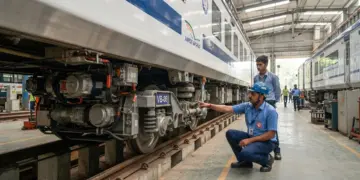


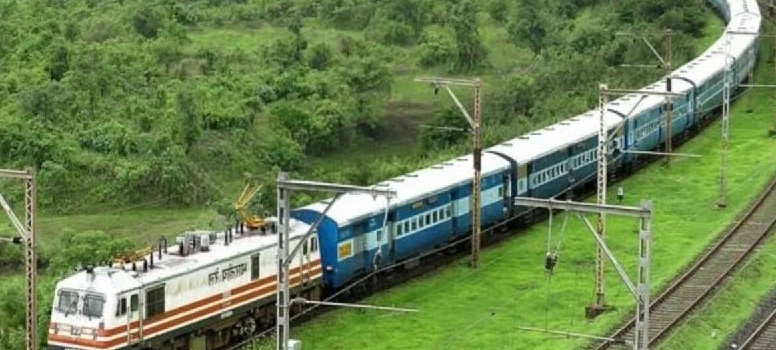

Indian Railways has officially sanctioned two major infrastructure projects valued at over ₹519 crore to bolster both passenger convenience and network efficiency. Approved on July 30, 2026, these initiatives focus on the comprehensive remodeling of the Visakhapatnam Coaching Yard and an essential traction upgrade on the Wadi-Raichur section. These improvements are designed to reduce train detention times, enhance safety, and support the growing demand for rail travel across these high-traffic corridors.
- Visakhapatnam Coaching Yard will undergo a ₹299 crore overhaul to add six new platforms and rail lines.
- The Wadi-Raichur route will receive a ₹220 crore upgrade to its electric traction system.
- Key passenger amenities including lifts, escalators, and a new eastern entrance are planned for Visakhapatnam.
- The traction upgrade covers 102 route kilometers to improve reliability for the High-Density Network.
Transforming Visakhapatnam Station
Serving approximately 80,000 passengers and 113 trains daily, the Visakhapatnam Coaching Yard is set for a massive transformation. The ₹299 crore project aims to resolve operational bottlenecks that often lead to trains being held on outer lines. By adding six new platforms and widening six existing ones, the South Coast Railway intends to significantly increase platform availability. Furthermore, the installation of an Electronic Interlocking (EI) system, alongside new ramps, lifts, and escalators, will modernize the station, making it more accessible and efficient for daily commuters.
Boosting Power on the Wadi-Raichur Route
In a move to support the heavy traffic load on one of the nation’s most vital corridors, the Railways has allocated ₹220 crore for the Wadi-Raichur route. The project involves upgrading the current 1×25 kV electric traction system to a more powerful 2×25 kV system. This work spans 204 track kilometers across a 102-route kilometer double-line section. As a critical link in the High-Density Network Route-7, this route connects major hubs like Mumbai, Pune, Guntakal, and Chennai. Once completed, this upgrade will facilitate smoother train movements and ensure greater reliability for both passenger and heavy freight traffic, marking a significant step forward in the modernization of Indian Railways infrastructure.