



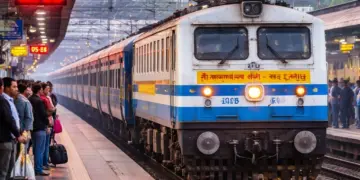

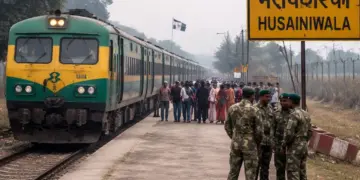

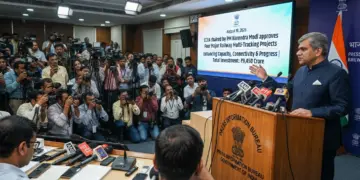
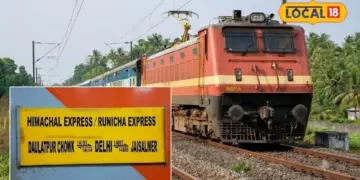

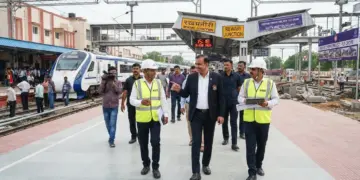
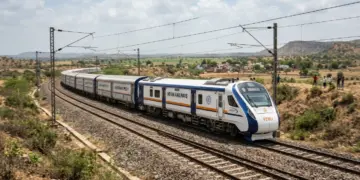
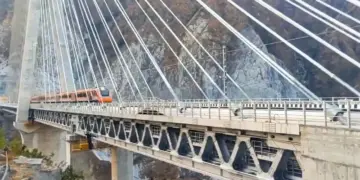


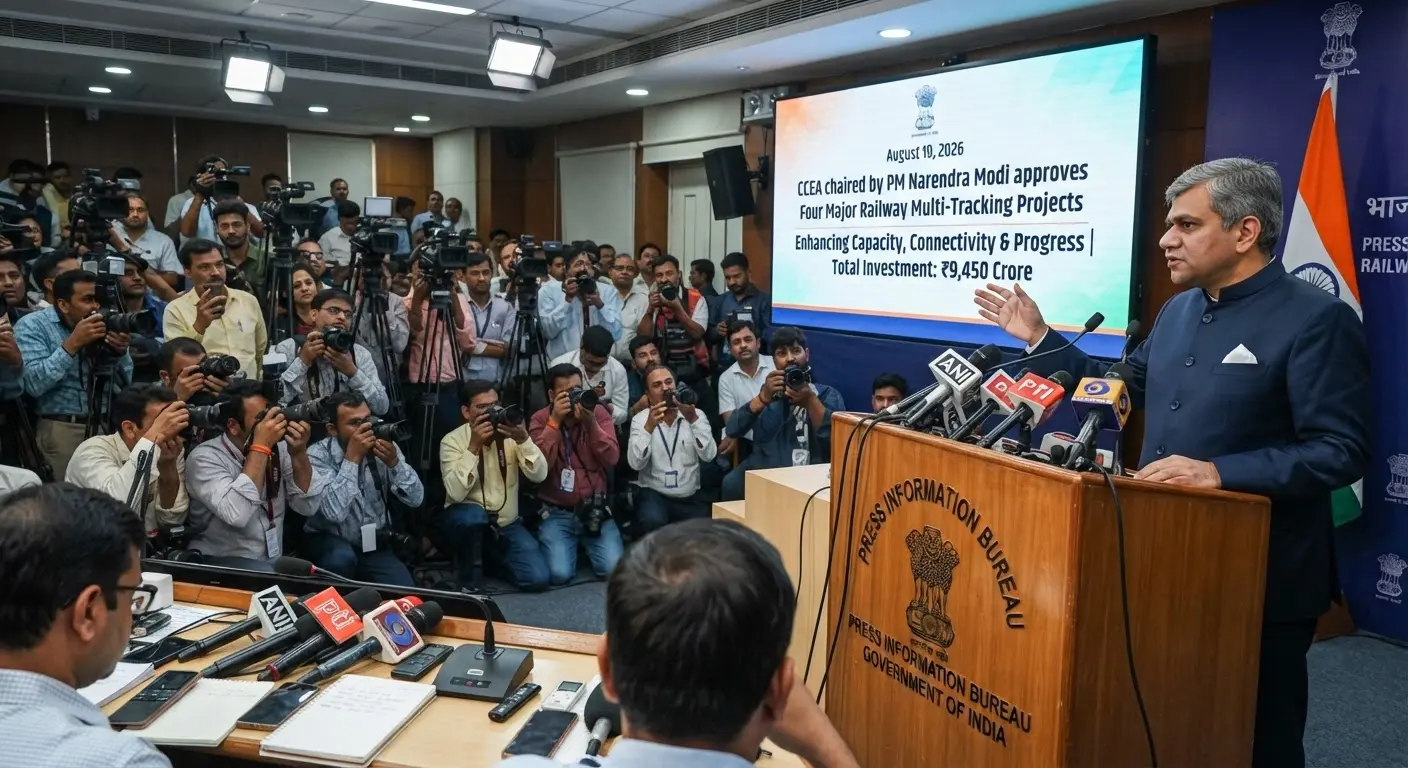

The Cabinet Committee on Economic Affairs (CCEA), chaired by Prime Minister Narendra Modi, has officially approved four major railway multi-tracking projects on Wednesday, August 19, 2026. These infrastructure initiatives, announced by Union Minister Ashwini Vaishnaw, represent a significant push to modernize the rail network and improve connectivity across several states. With a total investment of ₹9,450 crore, the projects aim to expand the Indian Railways network by approximately 410 kilometers, with a target completion date set for the 2030-31 fiscal year.
Key highlights of the approved rail infrastructure include:
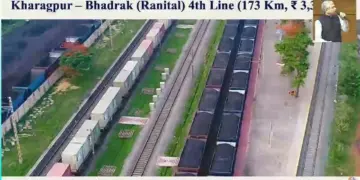
- A 173-kilometer fourth line project between Kharagpur and Bhadrak (Ranital) connecting West Bengal and Odisha.
- A 75-kilometer fourth line project covering the Bhadrak to Haridaspur section in Odisha.
- A 90-kilometer third and fourth line project spanning the route from Gummidipundi to Gudur across Andhra Pradesh and Tamil Nadu.
- A 72-kilometer third and fourth line project between Cuttack and Paradip (Barabanchha) in Odisha.
Strategic Connectivity and Economic Impact
These developments are part of a broader infrastructure package totaling ₹13,041 crore, which also encompasses a significant national highway project in Bihar. By operating under the PM-Gati Shakti National Master Plan, these railway initiatives are designed to foster seamless multi-modal connectivity and enhance overall logistics efficiency through integrated planning.
Beyond technical upgrades, the government anticipates that these projects will have a profound social and economic impact. Officials expect these additions to benefit approximately 60 million people residing across 6,448 villages, providing them with improved rail access to vital tourist and religious destinations.
From an operational standpoint, the new tracks are projected to significantly reduce traffic congestion on some of the country’s busiest corridors. By easing bottlenecks, Indian Railways aims to optimize the transportation of essential commodities, including coal, iron ore, steel, and cement. This expansion is a critical step in ensuring that the rail network can keep pace with India’s growing industrial and passenger demand, ultimately supporting the nation’s long-term economic development goals.