


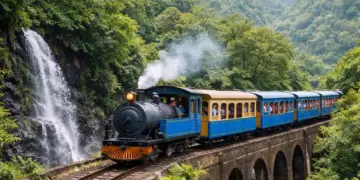
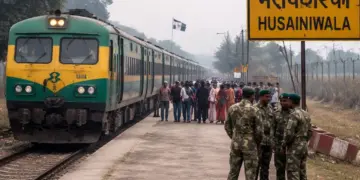
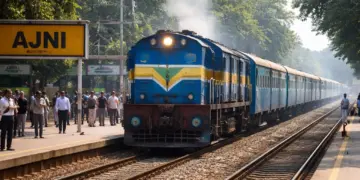

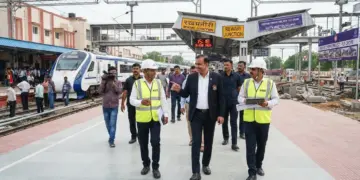
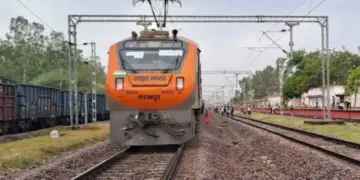
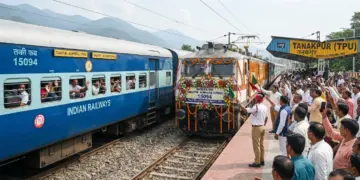
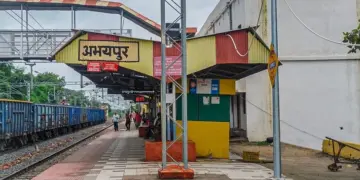
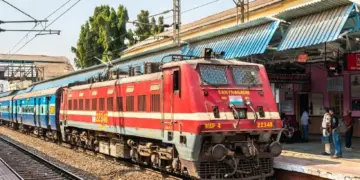
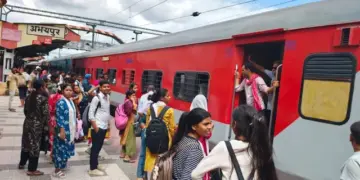
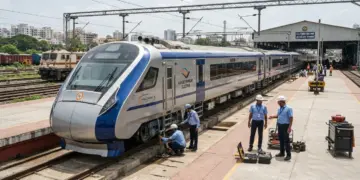
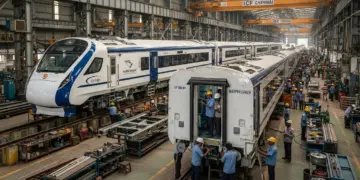
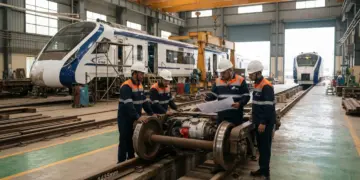




The Gwalior-Chambal region has reached a major infrastructure milestone as the Ministry of Railways officially inaugurated the newly gauge-converted 56-kilometer rail section connecting Kailaras, Sabalgarh, and Veerpur on August 18, 2026. This project marks a historic transition for the region, transforming the age-old narrow-gauge Gwalior Light Railway into a modern broad-gauge line, significantly enhancing connectivity for local residents.
- New Connectivity: The 56-km section now links Kailaras, Sabalgarh, and Veerpur, benefiting over 100 villages across Morena and Sheopur districts.
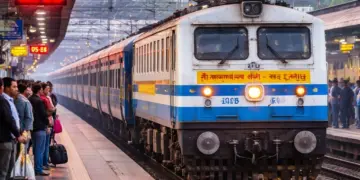
- Train Services: Regular MEMU operations for three pairs of trains (64635/64636, 64637/64638, and 64639/64640) commenced on August 19, 2026.
- Project Scope: The line utilizes 8-coach MEMU rakes to serve key tehsils including Bamor, Joura, Vijaypur, and Karahal.
- Future Expansion: The rail link is slated to reach Sheopur Kalan by December 2026, with further plans to extend the line to Kota.
A Transformative Boost for Madhya Pradesh
Approved initially in 2011 and launched in 2016, this infrastructure project is a critical component of the state’s broader rail development strategy. Union Railway Minister Ashwini Vaishnaw confirmed that work on the remaining 37-km Birpur-Seroni Road and 33-km Seroni Road-Sheopur Kalan sections is rapidly nearing completion.
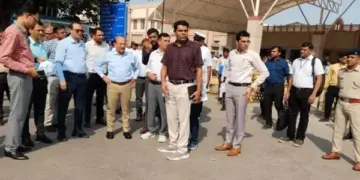
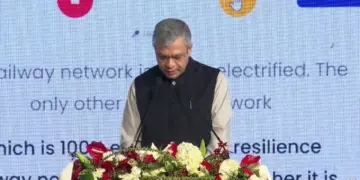
During the inauguration, Union Minister Jyotiraditya Scindia hailed the project as a transformative milestone for the region. Madhya Pradesh Chief Minister Dr. Mohan Yadav noted that the state’s railway budget has seen a substantial increase, reaching ₹15,188 crore for the 2026-27 fiscal year. This investment is aimed at driving industrial growth and bolstering tourism across the state. Currently, Indian Railways is overseeing various development projects across Madhya Pradesh with a total valuation of approximately ₹1.55 lakh crore.
For daily commuters in the Gwalior-Chambal belt, this gauge conversion offers a more reliable and efficient mode of transport, effectively bridging the gap between remote villages and major urban hubs.