


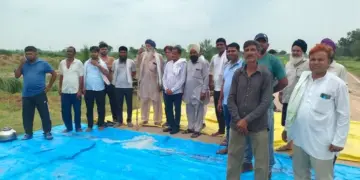

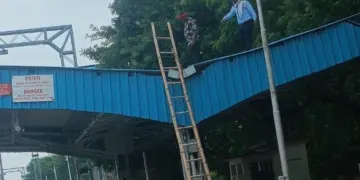

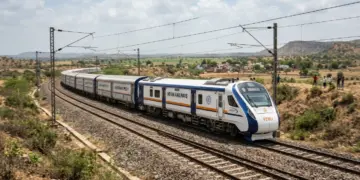
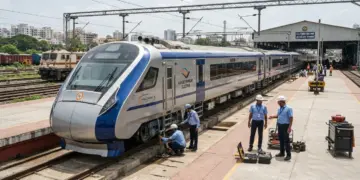


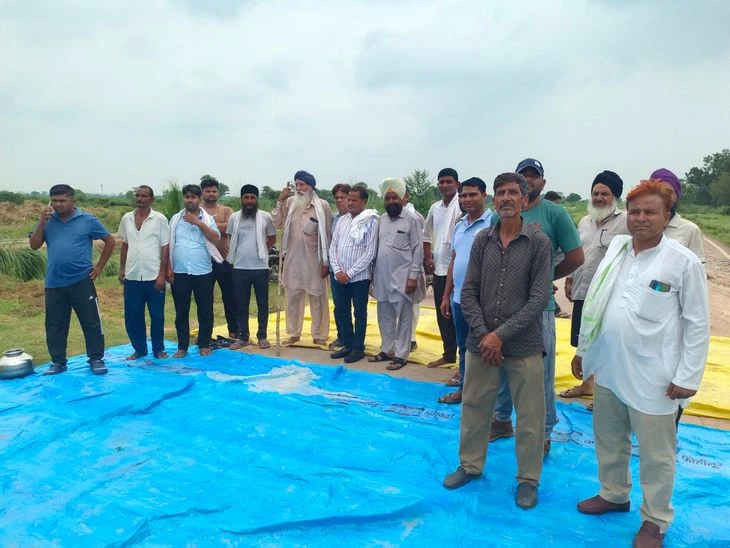

Construction work on a new broad gauge railway line near Dhanora Tank has come to a standstill after local residents staged a protest to halt operations. The villagers are raising serious concerns regarding the design of a proposed underpass, fearing that it will lead to severe waterlogging. Residents argue that the current plan fails to account for proper drainage, which could compromise local accessibility and pose significant safety risks to commuters and pedestrians during the monsoon season.
This incident highlights a growing trend of community-led interventions in railway infrastructure projects across the country. Key points regarding the current situation and broader national context include:
* Dhanora Tank protest: Construction halted due to fears of waterlogging and safety hazards at a proposed underpass site.
* Pune-Nashik alignment concerns: In August 2026, thousands protested changes to the direct rail alignment, demanding a committee report within 60 days.
* Safety-driven blockades: Citizens in Teliamura held a three-hour blockade in July 2026 to demand safer crossings after fatal accidents.
* Access issues: Villagers in Balijori protested in June 2026, citing the lack of permanent and safe access roads near active tracks.
Growing Public Scrutiny of Infrastructure Projects
The situation at Dhanora Tank is not an isolated event. Across India, railway development projects are increasingly facing public scrutiny as communities demand better planning and safety integration. In the case of the Pune-Nashik railway alignment, political figures including MLC Satyajeet Tambe and Balasaheb Thorat have been vocal in supporting residents, calling for greater transparency and faster resolution from expert committees like the one led by Dr. Anil Kakodkar.
These agitations reflect a broader shift where local communities are becoming more proactive in ensuring that railway infrastructure aligns with their daily safety and connectivity needs. From the three-hour rail blockade in Teliamura triggered by administrative neglect to the persistent demands for safe passage in Balijori, the message from the public is clear: infrastructure development must prioritize the long-term safety of the communities it traverses. As these disputes continue, the Indian Railways faces the challenge of balancing rapid network expansion with the critical need for local stakeholder engagement to prevent future delays and ensure project sustainability.