



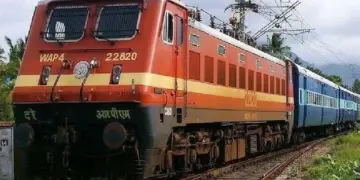
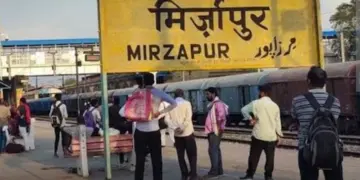





Commuters faced severe inconvenience on Thursday, August 20, 2026, when a major technical failure at the South Railway gate in Lakhauwa Bazaar, Naupedwa, brought traffic to a complete standstill for hours. Long queues of two-wheelers, four-wheelers, and heavy freight vehicles were left stranded on both sides of the crossing as the malfunctioning gate crippled movement in the area. Here are the key highlights of the incident:
- The technical glitch began at 10:00 a.m. on Thursday, August 20, 2026, at the South Railway gate in Lakhauwa Bazaar, Naupedwa.
- Railway gateman Ram Pratap Yadav promptly reported the malfunction to senior officials upon noticing the issue.
- Despite deployment of a specialized technical team under official directives, the gate remained non-operational until at least 5:00 p.m.
- Frustrated local residents have called for a thorough investigation and regular technical inspections to prevent future recurrences.
Immediate Response and Repair Efforts
Railway gateman Ram Pratap Yadav reported the malfunction to senior officials immediately upon detection to initiate emergency repair protocols. Acting under the direction of these officials, railway personnel along with a specialized technical team rushed to the site to address the mechanical and electrical fault. However, the complexity of the issue meant that repair work took much longer than anticipated. Despite ongoing and relentless efforts by the technical crew, the gate remained non-operational as of 5:00 p.m., significantly compounding the commuting woes for thousands of daily travelers and transport operators.
Public Outcry and Demand for Action
This prolonged gridlock has highlighted the vulnerability of critical level crossings in bustling market areas. In response to the recurring nature of such technical failures, local residents have strongly demanded a thorough investigation into the incident. Community members are urging railway authorities to implement regular and stringent technical inspections at the Naupedwa railway gate to ensure seamless operations and prevent such disruptive gridlocks in the future.